
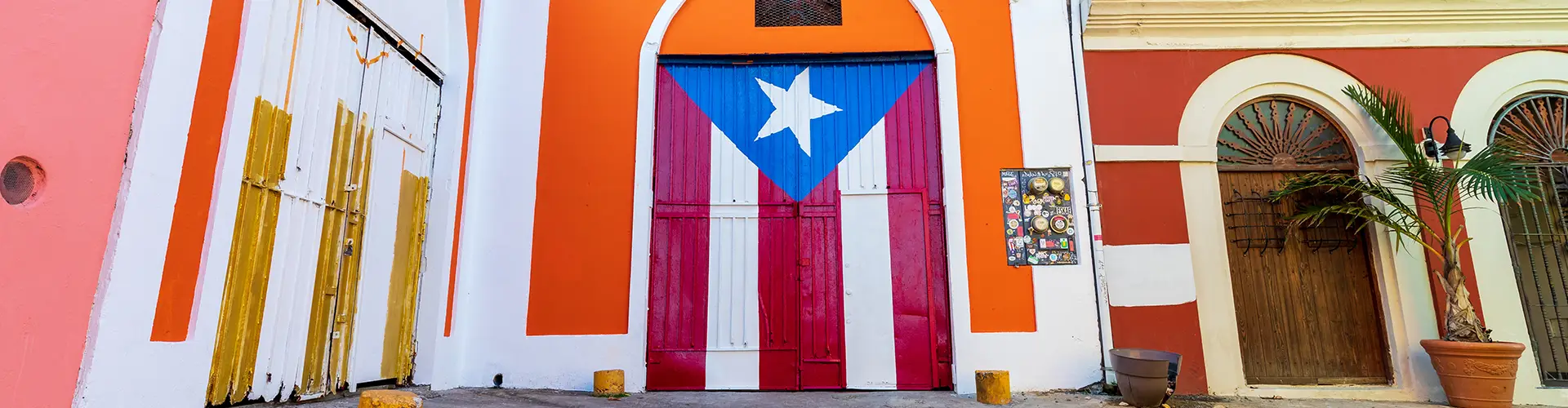
Retiring in Puerto Rico
Puerto Rico offers retirees something unusual: a Caribbean lifestyle without leaving the U.S. system entirely. U.S. citizens can move to the island without a visa or passport, use the U.S. dollar, continue receiving Social Security benefits, and remain eligible for Medicare. At the same time, retiring in Puerto Rico comes with important differences in taxes, healthcare, utilities, insurance, transportation, and everyday costs that should be understood before making the move.
Whether you're returning to Puerto Rico, moving closer to family, looking for year-round warm weather, or considering the island for your retirement years, planning ahead can make the transition considerably easier.
Related: Moving to Puerto Rico · Living in Puerto Rico
Why Retire in Puerto Rico?
No visa or currency change
For U.S. citizens, relocating from a state to Puerto Rico doesn't require immigration paperwork or a visa. Puerto Rico uses the U.S. dollar, and many familiar U.S. financial and banking systems operate on the island.
Social Security continues
Moving to Puerto Rico generally does not stop Social Security retirement benefits. This makes the transition considerably simpler for retirees who depend on Social Security as part of their retirement income.
Medicare is available — with an important difference
Medicare operates in Puerto Rico, but there's an important enrollment difference. Residents of Puerto Rico who qualify for automatic Part A enrollment are not automatically enrolled in Part B simply because they live in Puerto Rico; Medicare instructs Puerto Rico residents who want Part B to enroll in it. Delaying enrollment can result in penalties in some circumstances.
I'd highlight this in one of your light-green informational boxes because it's genuinely useful information.
Tropical climate and outdoor lifestyle
Warm temperatures throughout the year make Puerto Rico attractive to retirees who enjoy beaches, walking, gardening, golf, fishing, swimming, and outdoor activities. Different parts of the island also provide very different environments—from coastal communities to cooler mountain towns.
Culture and community
Retirement in Puerto Rico offers access to the island's festivals, food, music, history and strong community traditions. Spanish is the predominant everyday language, although English is widely understood in many tourism, business and metropolitan settings.
What to Consider Before Retiring in Puerto Rico
Healthcare access
Puerto Rico has hospitals, physicians, specialists and Medicare providers, particularly around the San Juan metropolitan area. Access can be more limited in smaller municipalities and rural areas, however, and retirees with ongoing medical needs should investigate nearby hospitals, specialists, pharmacies and Medicare participation before choosing where to live.
Your document currently says that "top medical care is easy to find in San Juan" and that rural facilities have "older equipment." I would not publish those claims as written. They're too broad. The more measured version above is better.
Electricity and water
Puerto Rico continues to experience electrical outages, making backup power an important consideration when buying or renting a home. Generators, solar panels with battery storage and water cisterns are common features in some homes.
This is especially important for retirees who depend on refrigerated medication, powered medical equipment or reliable air conditioning.
Hurricanes and severe weather
Hurricane season runs from June through November. Retirees buying property should consider storm preparation, flood zones, construction type, backup power and water, and the cost and availability of homeowners, windstorm and flood insurance.
Transportation
Outside portions of metropolitan San Juan, Puerto Rico is largely car-dependent. Public transportation is limited in many communities, so access to groceries, doctors, hospitals and other services should factor into where you choose to retire.
Cost of utilities and imported goods
Puerto Rico isn't inexpensive in every category. Housing can be considerably less expensive than in some major mainland U.S. markets, while electricity and certain imported products can cost more.
Puerto Rico's general Sales and Use Tax (IVU) on taxable goods and services is 11.5%—10.5% Commonwealth and 1% municipal.
How Are Retirees Taxed in Puerto Rico?
Puerto Rico has its own income tax system, and moving to the island can change how your retirement income is taxed. However, becoming a Puerto Rico resident does not automatically make your income tax-free.
Bona fide residents of Puerto Rico generally file a Puerto Rico income tax return and may also have a U.S. federal filing requirement depending on the source and type of their income. For U.S. federal tax purposes, qualifying Puerto Rico-source income of a bona fide resident is generally excluded from U.S. gross income under Section 933 of the Internal Revenue Code. U.S.-source income may still be subject to federal income tax.
Determining bona fide residency involves more than simply living in Puerto Rico for 183 days. The IRS applies a presence test, tax-home test, and closer-connection test when determining whether someone qualifies as a bona fide resident of Puerto Rico.
Retirement income can also be treated differently depending on its source. Social Security benefits, pensions, IRA and 401(k) withdrawals, investment income, rental income, and income from a business may not all receive the same tax treatment. Retirees should consult a tax professional familiar with both Puerto Rico and U.S. federal tax law before relocating, particularly if they have substantial investments or retirement accounts.
What About Act 60?
Puerto Rico's Act 60 provides special tax incentives to certain qualifying residents and businesses, but these benefits are not automatically available simply because someone retires in Puerto Rico. The Individual Resident Investor program has separate residency, application, decree, and compliance requirements.
This is an area where I'd link to a future Puerto Rico Taxes / Act 60 page rather than getting too deep into the program on the retirement page.
Retirement Costs to Consider
| Expense | What to Consider |
|---|---|
| Housing | Costs vary considerably between San Juan, Dorado, resort communities, smaller cities, coastal areas, and rural municipalities. |
| Electricity | Electricity can be a significant household expense, particularly for homes using air conditioning regularly. |
| Groceries | Many everyday products are readily available, but some imported foods and household goods may cost more than comparable products on the mainland. |
| Healthcare | Budget for Medicare premiums, supplemental or Medicare Advantage coverage, prescription medications, dental and vision care, and other out-of-pocket expenses. |
| Transportation | Outside parts of metropolitan San Juan, a car is generally the most practical way to get around. Consider vehicle payments, insurance, fuel, maintenance, and tolls. |
| Insurance | Homeowners, windstorm, and flood insurance can add substantially to the cost of owning a home, particularly in coastal and flood-prone areas. |
| Sales Tax | Puerto Rico's general Sales and Use Tax (IVU) is 11.5% on many taxable purchases and services. |
| Backup Utilities | Some homeowners invest in generators, solar panels with battery storage, water cisterns, or other backup systems for greater resilience during outages. |
Best Places to Retire in Puerto Rico
San Juan — Best for urban conveniences Puerto Rico's largest metropolitan area offers restaurants, shopping, entertainment, cultural attractions and some of the island's greatest concentration of hospitals and medical services. Retirees who want an urban lifestyle may prefer Condado, Ocean Park, Santurce or nearby communities.
Dorado — Best for upscale coastal living Located west of San Juan, Dorado is known for beaches, golf, resorts, gated residential communities and relatively easy access to the metropolitan area. Housing can be considerably more expensive than in many other Puerto Rican municipalities.
Rincón — Best for relaxed West Coast living Rincón combines beaches, surfing, sunsets, restaurants and a laid-back atmosphere. It appeals particularly to retirees looking for a smaller coastal community rather than metropolitan living.
Luquillo — Best for beaches and access to nature Luquillo offers beaches, proximity to El Yunque and relatively convenient access to northeastern Puerto Rico. It's worth considering for retirees who want coastal living without being directly in San Juan.
Palmas del Mar / Humacao — Best for resort-style living This large planned community on Puerto Rico's east coast offers residential communities, golf, marina access, restaurants and other amenities within a resort environment.
Mayagüez — Best for West Coast services A larger western city with shopping, restaurants, universities and medical services, making it worth considering for retirees who want access to urban conveniences without living in metropolitan San Juan.
Caguas — Best for central access Caguas provides shopping, healthcare and city conveniences while offering relatively easy access to San Juan and communities throughout east-central Puerto Rico.
How Much Does It Cost to Retire in Puerto Rico?
The cost of retiring in Puerto Rico varies considerably depending on where you live, whether you rent or own, and your lifestyle. Housing in smaller towns and rural communities can be more affordable than in San Juan, Dorado, or resort areas, while expenses such as electricity, imported groceries, insurance, and maintaining a car can add to your monthly budget.
Rather than relying on a single retirement figure, plan a budget that includes housing, utilities, groceries, healthcare and Medicare costs, transportation, insurance, taxes, and entertainment. Homeowners should also consider hurricane and flood insurance and potential investments in backup power, solar batteries, generators, or water cisterns.
For the most realistic estimate, compare expenses in the specific Puerto Rico community you're considering and spend some time there before making a permanent move.
A Retirement Checklist
Before making Puerto Rico your retirement home, take time to understand how the move will affect your finances, healthcare, housing, and everyday life.
- Spend time on the island before moving. Consider an extended stay in the community where you are thinking about living.
- Compare different municipalities. Consider healthcare access, shopping, transportation, climate, beaches, community, and proximity to family and friends.
- Review your retirement income. Identify income from Social Security, pensions, IRAs, 401(k)s, investments, rental properties, and other sources.
- Talk with a qualified tax professional. Look for someone familiar with both Puerto Rico and U.S. federal taxation.
- Review your Medicare coverage. Understand Part A, Part B, Medicare Advantage, prescription coverage, and which doctors and hospitals participate in your plan.
- Research healthcare nearby. Locate hospitals, pharmacies, primary care physicians, and any specialists you regularly need.
- Create a realistic housing budget. Include rent or mortgage payments, property taxes, HOA fees, insurance, electricity, water, and maintenance.
- Investigate hurricane and flood risk. Check the property, neighborhood, flood zone, insurance requirements, and emergency preparedness options.
- Consider backup power and water. Determine whether a generator, solar/battery system, or water cistern is important for your household.
- Decide whether you will need a car. Public transportation is limited in much of Puerto Rico.
- Plan your actual move. Decide what to bring, sell, store, or ship and research the cost of moving household goods and vehicles.
- Learn some Spanish if needed. Spanish can make everyday interactions with neighbors, healthcare providers, businesses, and government agencies easier.
Related
Planning the move?
Moving to Puerto Rico
Want to understand everyday life?
Living in Puerto Rico
Choosing a community?
Explore Puerto Rico's Cities & Towns
Researching healthcare?
Healthcare in Puerto Rico
Frequently Asked Questions
Is Puerto Rico a good place to retire?
Puerto Rico can be an appealing retirement destination for people seeking warm weather, beaches, culture, and the convenience of living in a U.S. territory. Healthcare access, utilities, transportation, insurance, taxes, and hurricane preparedness should also be considered when deciding whether the island is right for you.
Can I collect Social Security while living in Puerto Rico?
Yes. Eligible U.S. citizens can generally continue receiving Social Security retirement benefits while living in Puerto Rico.
Does Medicare work in Puerto Rico?
Yes. Medicare is available in Puerto Rico. However, residents of Puerto Rico are not automatically enrolled in Medicare Part B in the same way as residents of the states, so retirees should review enrollment requirements and available coverage carefully.
Do retirees pay taxes in Puerto Rico?
Yes, depending on their income and circumstances. Puerto Rico has its own income tax system, and some income may also remain subject to U.S. federal taxation. Bona fide residency and the source of the income are important factors in determining tax treatment.
Is retirement income tax-free in Puerto Rico?
Not necessarily. Moving to Puerto Rico does not automatically make Social Security, pensions, retirement-account withdrawals, investment income, or other income tax-free. Different types and sources of income may receive different tax treatment.
Do I qualify for Act 60 if I retire in Puerto Rico?
Not automatically. Act 60 includes specific incentive programs with separate eligibility, residency, application, and compliance requirements. Simply becoming a resident or retiring in Puerto Rico does not automatically qualify someone for Act 60 tax benefits.
Do I need a passport to retire in Puerto Rico?
U.S. citizens do not need a passport or visa to move from the mainland United States to Puerto Rico. Puerto Rico is a U.S. territory and uses the U.S. dollar.
How much money do I need to retire in Puerto Rico?
There is no single amount that applies to everyone. Housing, healthcare, transportation, electricity, insurance, dining, and lifestyle costs vary considerably by location. San Juan, Dorado, and resort communities can cost significantly more than smaller towns and rural areas.
Do I need a car if I retire in Puerto Rico?
In most parts of Puerto Rico, having a car is the most practical option. Public transportation is concentrated primarily in the San Juan metropolitan area and is limited in many smaller municipalities.
Where are the best places to retire in Puerto Rico?
The best location depends on your lifestyle and priorities. San Juan offers urban conveniences and access to major medical facilities; Dorado offers upscale coastal living; Rincón is known for its relaxed West Coast atmosphere; Luquillo combines beaches with access to El Yunque; and communities such as Mayagüez, Caguas, and Humacao provide additional alternatives outside metropolitan San Juan.
Do I need to speak Spanish to retire in Puerto Rico?
Fluency in Spanish is not required to move to Puerto Rico, and English is widely understood in many tourism, business, and metropolitan settings. However, Spanish is the predominant language of everyday life, and knowing some Spanish can make living on the island considerably easier.
Should I rent before buying a home in Puerto Rico?
For many retirees, renting first can be a practical way to experience a community before making a long-term commitment. It provides time to evaluate healthcare access, traffic, utilities, weather, shopping, neighborhood conditions, and everyday life throughout different seasons.
Did You Know?
Old San Juan's blue cobblestones were originally ballast from Spanish ships.
Get Our Newsletter
Discover new places, local flavors, upcoming events, cultural stories, and some of our favorite finds from around the island.Read the Latest ¡La Isla! Newsletter
Follow Along


