
Humacao, Puerto Rico
(oo-mah-KOU)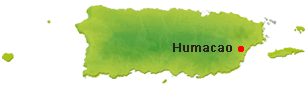
Humacao is located in the eastern coast of the island, north of Yabucoa; south of Naguabo; east of Las Piedras; and west of Vieques Passage.
Humacao is known as "La Perla del Oriente" (pearl of the orient) and "La Cuidad Gris" (gray city).
The city was founded on April, 1722 and became autonomous (town) in 1793. Humacao derives its name from a local Indian chief Jumacao.
Overview
Why Visit Humacao?
Humacao offers one of the most diverse experiences on Puerto Rico's east coast. Nicknamed "La Perla del Oriente" (The Pearl of the East), the municipality combines beautiful beaches, protected nature reserves, offshore islands, golf courses, hiking trails, and one of the island's most important wildlife refuges.
Top Things to Do in Humacao
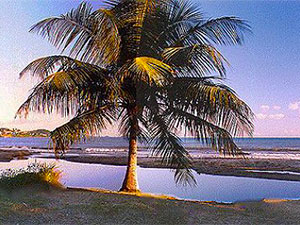
Humacao Nature Reserve
One of Puerto Rico's premier ecological preserves featuring lagoons, mangroves, forests, birdwatching, hiking, cycling, kayaking, and scenic observation towers. More than 200 bird species have been recorded here.
Palmas del Mar
Palmas del Mar is Puerto Rico's largest master-planned resort community and one of Humacao's most recognizable destinations. Situated along the Caribbean coast, the community features two championship golf courses, a full-service marina, beautiful beaches, tennis and pickleball facilities, horseback riding, restaurants, shopping, vacation rentals, and the Wyndham Palmas Beach & Golf Boutique Resort. Even visitors not staying inside Palmas del Mar often stop to enjoy waterfront dining, boating excursions, golf, or a relaxing afternoon by the sea.
Punta Santiago
A colorful fishing village famous for seafood restaurants, beaches, kayaking, and access to Monkey Island.
Monkey Island (Isla de los Monos)
One of Puerto Rico's most unusual offshore islands. Although visitors cannot land on the island because it is a protected research facility. Boat tours and kayaking provide views of the rhesus macaques that have lived there since the 1930s.
Cayo Santiago (15.2 ha (38 acres) host one of two field stations of the Caribbean Primate Research Center in the island. The small island contains a population of approximately 800 monkeys, which are direct descendants of the original 409 monkeys imported from India and released onto the island in 1938.
Casa Roig Museum
Beautiful Spanish Colonial Revival home built in 1919 that today operates as a museum showcasing art, architecture, and local history.
Humacao Plaza
Historic downtown featuring the cathedral, colorful architecture, cafés, local businesses, and public events.
Humacao's small airport is served by Vieques Air Link with a daily flight from Vieques.
Plan your Visit
Humacao's central location on Puerto Rico's east coast makes it an excellent base for exploring nearby attractions such as El Yunque National Forest, Fajardo, Vieques, and Culebra while enjoying a quieter atmosphere. Humacao is best explored by car.
Getting There
By Air
Luis Muñoz Marín International Airport (SJU) is approximately one hour west via PR-30 and PR-53. Rafael Hernández Airport (BQN) is about two and a half hours away, while José Aponte de la Torre Airport (NRR) in Ceiba is approximately 35 minutes away for general aviation.
By Sea
The marina at Palmas del Mar welcomes private vessels and offers boating excursions, fishing charters, sailing, and access to nearby offshore islands.
By Car
Humacao is connected by PR-30 from San Juan and PR-53 along Puerto Rico's eastern coastline, making travel from both the metro area and southeastern municipalities straightforward.
Getting Around
Rental Car
The most convenient way to explore Humacao's beaches, nature reserve, Palmas del Mar, Punta Santiago, and nearby eastern Puerto Rico.
Taxis & Rideshare
Taxis and rideshare may be available, but service can be limited compared with San Juan.
Walking
Historic downtown Humacao and portions of Palmas del Mar are easily explored on foot, with restaurants, cafés, shops, and public spaces located within walking distance.
Nature & Resources
Geography
Located on the southeastern coast, bordered by Yabucoa to the south, Las Piedras to the west, Naguabo to the north, and the Caribbean Sea to the east. Covering approximately 45 square miles (117 km²), the municipality offers one of the island's most diverse landscapes, combining coastal ecosystems, fertile valleys, rolling hills, rivers, and protected wetlands.
Neighborhoods & Barrios
Humacao is made up of 13 barrios (PDF) (wards/districts):
- Antón Ruiz
- Buena Vista
- Candelero Abajo
- Candelero Arriba
- Cataño
- Collores
- Mabú
- Manbiche
- Mariana
- Pueblo
- Punta Santiago
- Río Abajo
- Tejas
Climate
Humacao enjoys a warm tropical climate throughout the year, with average daytime temperatures ranging from the mid-70s in winter to the upper 80s during the summer months. The municipality receives approximately 60 inches of rainfall annually, with the wettest months generally occurring from August through November. Trade winds from the Caribbean help moderate temperatures, making outdoor activities comfortable year-round. The most popular time to visit is between December and April, when humidity is lower and rainfall is typically less frequent.
10 Day Forecast from weather.com
Where to Stay
- Wyndham Palmas Beach & Golf Boutique Resort
- Park Royal Club Cala (Palmas del Mar)
- Parador MaunaCaribe (Maunabo)
- Hacienda Moyano (Naguabo)
- Fajardo Inn (Fajardo)
- El Conquistador Resort (Fajardo)
- The Village at Palmas del Mar
- Crescent Beach Villas
- Harbour Lakes
- Beach Village
- Palm View
Local Flavors & Festivities
Where to Eat
- Daniel Seafood
- El Limón
- Pescadería Sandín
- Costa Azul Restaurant
- Blue Hawaii
- La Pescadería
- Trova
- C.Bar Kitchen in Palmas del Mar
- Panadería España
- Coconuts Café
- Coffee Therapy
- Panadería La Casona
Festivals and Events
Displaying 7 results.
-
Festival Comunitario de la Iglesia Catolica
- December
A community celebration featuring religious activities, traditional Puerto Rican music, local food, family entertainment, and holiday festivities.
-
Festival de Bomba y Plena
- April
Celebrates Puerto Rico's rich musical heritage with live bomba and plena performances, cultural exhibitions, dance, and local artisans.
-
Festival de la Lancha Planua
- June
A maritime festival honoring Humacao's fishing traditions with boat activities, seafood, live music, family events, and waterfront celebrations.
-
Festival de la Pana del Barrio Mariana
- August
Highlights the versatile breadfruit ("pana") with local dishes, cooking demonstrations, live entertainment, artisan vendors, and cultural activities.787-852-5326
-
Fiestas de Cruz
- March
A traditional Puerto Rican religious celebration where decorated crosses, prayers, music, and neighborhood gatherings preserve centuries-old customs.
-
Fiestas de Reyes
- January
Celebrates Three Kings Day with parades, music, gifts for children, cultural performances, and family-oriented community events.
-
Fiestas Patronales Inmaculada Concepcion de Maria
- December
Humacao's patron saint festival featuring religious processions, carnival rides, concerts, artisan kiosks, traditional food, and cultural performances.(787)852-3066
History
Humacao's history stretches back long before Spanish colonization, when Taíno communities settled along its rivers, fertile valleys, and protected coastline. The municipality was officially founded in 1722 and grew into one of eastern Puerto Rico's most productive agricultural centers, supported by sugarcane plantations, cattle ranches, and coastal trade.
During the nineteenth century, Humacao developed into an important commercial hub serving neighboring municipalities throughout Puerto Rico's eastern region. In the twentieth century, the economy diversified through manufacturing, education, and tourism, while the creation of Palmas del Mar transformed the municipality into one of Puerto Rico's premier resort destinations. Today, Humacao successfully balances modern development with conservation through attractions like the Humacao Nature Reserve, preserving one of the island's most valuable coastal ecosystems.
Moments in History
Taíno settlements flourish.
Humacao officially founded.
Municipality receives official charter.
Sugar and cattle industries expand.
Casa Roig constructed.
Palmas del Mar begins development.
Nature Reserve established.
Hurricane Maria impacts Humacao.
Notable People
Carlos Ponce
1972–Present
Entertainment
International actor, singer, television host, and model whose career has included numerous television series, films, Broadway productions, and Latin music albums. Carlos Ponce has helped bring Puerto Rican talent to audiences around the world.
Herminio Díaz Navarro
1901–1987
Education • Literature
Educator, historian, writer, and civic leader who dedicated much of his life to documenting the history and cultural heritage of Humacao and Puerto Rico. His publications remain valuable references on the municipality's past.
Antonio Roig
1906–1991
Education • Public Service
Educator and community leader remembered for promoting education, civic engagement, and public service in eastern Puerto Rico. His work helped strengthen educational opportunities for generations of students.
City Symbols
Humacao's official symbols celebrate the municipality's natural beauty, agricultural traditions, and centuries of history. Together they reflect the community's identity as "La Perla del Oriente"—the Pearl of Puerto Rico's eastern coast.

Flag
The coat of arms consists of two colors, gold and green. The gold represents the sun, Humacao is located in the island were the sun rises. Green symbolizes the native Indian heritage as well as the natural tropical valley where the city is located. The shield itself represents Humacao's native and Indian name origin.
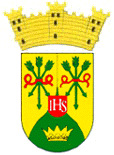
Coat of Arms
The coat of arms depicts a golden crown representing Spanish royal heritage above a shield featuring agricultural imagery, Christian symbolism, and references to the municipality's Taíno origins. These elements honor Humacao's history from its indigenous roots through the colonial era and into modern Puerto Rico.
Anthem
The municipal anthem celebrates Humacao's natural beauty, coastal landscape, hardworking residents, and pride in its eastern Puerto Rican heritage.
Humacao, hijo de taino bravo...
Patron Saint
Dulce Nombre de Jesús
Each January, Humacao celebrates its patron saint festival with religious services, live music, artisan fairs, sporting events, and traditional Puerto Rican cuisine.
Human & Capital Resources
Economy
Humacao's economy reflects both its agricultural heritage and its modern role as one of eastern Puerto Rico's commercial centers. While sugarcane and cattle ranching once dominated the region, today's economy is driven by tourism, retail, healthcare, education, manufacturing, and professional services.
Palmas del Mar has become a significant economic engine, supporting hotels, vacation rentals, restaurants, marinas, golf courses, and recreational businesses. The University of Puerto Rico at Humacao also contributes to the local economy through education, research, and workforce development, while nearby industrial parks continue to attract manufacturing and technology companies.
Education
Humacao serves as an educational center for eastern Puerto Rico. Public schools are administered by Puerto Rico's Department of Education, while higher education is anchored by the University of Puerto Rico at Humacao (UPRH), known for programs in biology, nursing, education, business, communications, and environmental sciences. Additional private institutions and technical schools provide career training, making Humacao an important academic hub for the region.
Demographics *
Population
50,896
Land Area: 44.75 sq mi
Density: 1,153.60 per sq mi
Median Age: 44.5
Sex: 53% female
Economics **
$13,832
Median household income: $21,802
Puerto Rico: $21,058
Persons below poverty line: 39.8%
Housing, families and educational attainment *
Number of households
13,914
Housing units density:
627.9 (2013)
Persons per household: 2.88
High school grad or higher: 79.3%
Marital status: 41% married
* U.S. Census Bureau 2020 data, unless otherwise noted - Source: Quick Facts Puerto Rico.
** U.S. Census Bureau 2016-2020
Map References
Coordinates: 18.1497° N, 65.8275° W
ZIP Code: 00741, 00791, 00792
Driving Distance from San Juan: 30.8 miles
Driving Time: 1 hours, 2 minutes
Frequently Asked Questions
Where is Humacao located?
Humacao is located on Puerto Rico's eastern coast, about 35 miles (56 km) southeast of San Juan. It borders Naguabo, Las Piedras, Yabucoa, and the Caribbean Sea.
What is Humacao known for?
Humacao is known for Palmas del Mar, the Humacao Nature Reserve, Punta Santiago, its beautiful coastline, and as the birthplace of several notable Puerto Rican leaders, artists, and athletes.
Is Humacao worth visiting?
Yes. Humacao offers a mix of beaches, nature reserves, outdoor recreation, golf, marinas, cultural attractions, and local cuisine, making it an excellent destination for both relaxation and adventure.
What are the best things to do in Humacao?
Popular activities include exploring Palmas del Mar, visiting the Humacao Nature Reserve, relaxing at Punta Santiago, touring Casa Roig Museum, kayaking through mangroves, and enjoying fresh seafood along the coast.
How many days should I spend in Humacao?
One to three days is enough to experience Humacao's beaches, natural attractions, restaurants, and historic sites. Visitors staying at Palmas del Mar often spend several days enjoying the resort's amenities.
Can you visit Palmas del Mar if you are not staying there?
Yes. Many restaurants, shops, the marina, golf courses, and other amenities are open to the public, although some residential facilities and private areas are reserved for owners and registered guests.
What is the best time to visit Humacao?
Humacao enjoys warm weather throughout the year. The drier months from December through April are especially popular, while spring and summer feature many cultural festivals and outdoor activities.
Does Humacao have beaches?
Yes. Punta Santiago Beach and the beaches within Palmas del Mar are among the area's most popular coastal destinations, offering swimming, boating, fishing, and other water activities.
Is Humacao family friendly?
Absolutely. Families enjoy the municipality's beaches, nature reserve, parks, festivals, and the wide variety of recreational activities available throughout the year.
Did You Know?
Eight major rivers originates in El Yunque and supplies water to 20% of the island's population.
Get Our Newsletter
Discover new places, local flavors, upcoming events, cultural stories, and some of our favorite finds from around the island.Read the Latest ¡La Isla! Newsletter
Follow Along


