Learn About Puerto Rico
Puerto Rico is a Caribbean island with a rich history, diverse landscapes, and a culture shaped over centuries. Its story includes Taíno heritage, more than 400 years of Spanish rule, African influences, and its modern relationship with the United States.
Explore the island's history, geography, economy, and government below, or dive deeper into each topic.
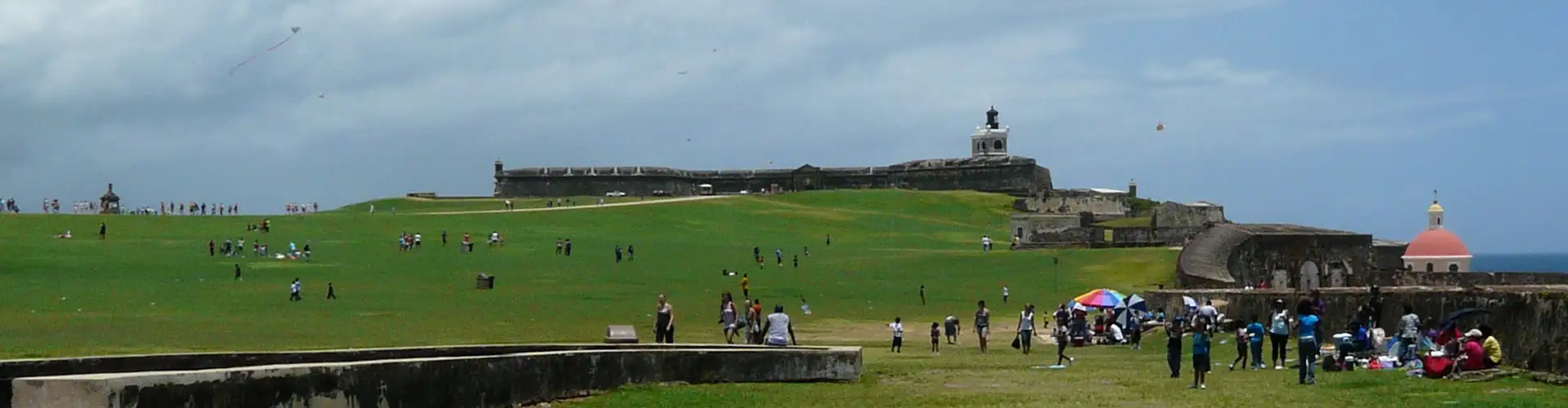
Puerto Rico's history stretches back thousands of years. Indigenous peoples lived on the island long before Europeans arrived, with the Taíno becoming the dominant culture by the time of Spanish contact.
Christopher Columbus reached Puerto Rico in 1493. Spanish settlement followed in the early 1500s, beginning more than four centuries of Spanish colonial rule.
In 1898, Spain ceded Puerto Rico to the United States following the Spanish-American War. Puerto Ricans became U.S. citizens in 1917, and the island became a U.S. commonwealth in 1952.
Explore The Full Timeline
Puerto Rico may be small in size, but its geography is remarkably diverse. As the smallest and easternmost island of the Greater Antilles which include, Cuba, Hispaniola (República Dominicana and Haiti), and Jamaica,
it sits strategically between the Caribbean Sea and the North Atlantic Ocean.
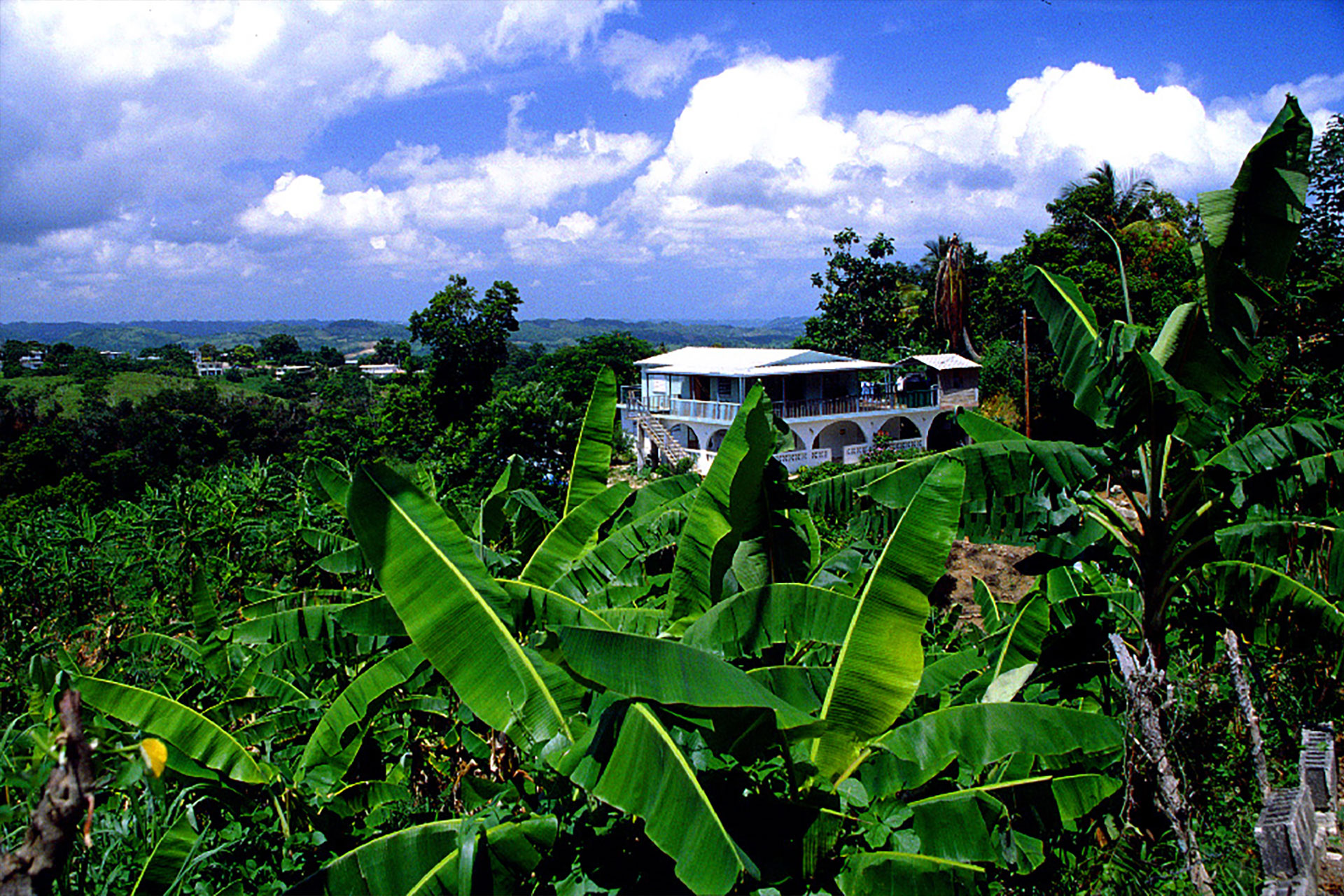
Mountain ranges run through the center of the island, creating cooler climates in the interior while coastal regions enjoy warm, tropical conditions year-round. Rainforests, dry forests, mangroves, beaches, and bioluminescent bays all exist within a relatively compact landscape.
This geographic diversity influences everything - from agriculture and trade to tourism and daily life. Puerto Rico's location has shaped its economy, its culture, and its historical importance for centuries.
- Only tropical rainforest in U.S. system
- 7 satellite islands including Vieques
- 300+ miles of pristine coastline
Location & Size
Puerto Rico is located in the Caribbean Sea, approximately 1,000 miles southeast of Miami. The main island measures about 100 miles by 35 miles (3,515 square miles total), making it roughly the size of Connecticut.
Mountainous Terrain
The Cordillera Central mountain range runs east to west through the island's center. The highest peak is Cerro de Punta at 4,390 feet, located in the Toro Negro Forest Reserve.
Coastal Areas
Puerto Rico has over 270 miles of coastline featuring diverse landscapes—from white sand beaches to dramatic cliffs, mangrove forests to bioluminescent bays.
El Yunque Rainforest
The only
tropical rainforest in the U.S. National Forest System, El Yunque receives about 240 inches of rain annually and is home to unique flora and fauna, including the endangered Puerto Rican parrot.
Tropical Climate
Puerto Rico enjoys warm weather year-round with average temperatures between 70-80°F. The climate varies by region and elevation, from tropical rainforest to dry forest.
Hurricane Season
The Atlantic hurricane season runs from June to November. Puerto Rico has experienced several major hurricanes throughout its history, including devastating Hurricane Maria in 2017.
Major Geographic Regions
North Coast
Atlantic-facing coast with San Juan, karst formations, and beaches
Climate:
Humid with moderate rainfall
South Coast
Caribbean-facing coast with Ponce, drier climate, and beautiful sunsets
Climate:
Dry tropical, less rainfall
East Coast
Gateway to Vieques and Culebra, El Yunque rainforest
Climate:
Wet tropical, high rainfall
West Coast
Surfing destination, Rincón beaches, Mayagüez
Climate:
Moderate rainfall, beach climate
Central Mountains
Coffee country, cooler temperatures, scenic vistas
Climate:
Subtropical, cooler and wetter
Offshore Islands
Vieques, Culebra, pristine beaches, wildlife refuges, and surrounding cays
Climate:
Tropical marine, warm and breezy
Explore The Terrain
Puerto Rico has a diverse modern economy driven by manufacturing, services, and tourism, with a unique relationship to the U.S. economy
Puerto Rico is considered to have one of the most dynamic economies in the Caribbean region. As a U.S. territory, it uses the U.S. dollar and operates under U.S. federal law, providing stability and access to U.S. markets.
The island transformed from an agricultural economy in the early 20th century to a manufacturing powerhouse through "Operation Bootstrap" in the 1950s. Today, Puerto Rico is particularly known for pharmaceutical manufacturing, producing a significant portion of medications sold in the United States.
Despite economic challenges including high public debt and the impact of Hurricane Maria in 2017, Puerto Rico continues to attract investment in manufacturing, technology, and services. The island benefits from tax incentives that make it attractive for certain businesses and investors.
- Pharmaceutical & biotech hub
- Tax incentive programs (Acts 20, 22, 60)
- Growing tech & startup ecosystem
Discover Puerto Rico's Economy
Understanding Puerto Rico's unique government structure as a U.S. commonwealth and its complex relationship with the federal government
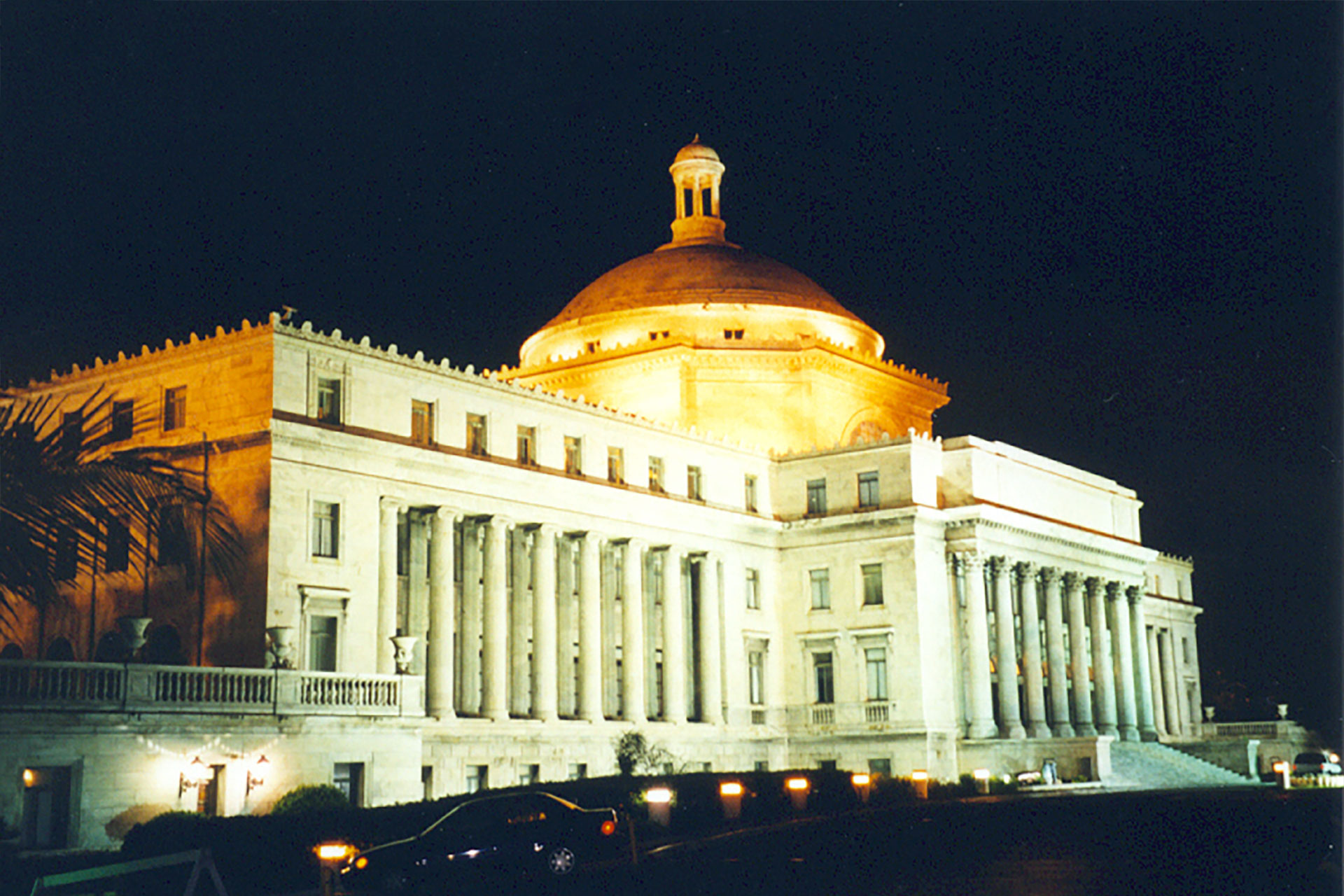
Puerto Rico is an unincorporated territory of the United States with its own constitution and elected government, officially known as the "Commonwealth of Puerto Rico" (Estado Libre Asociado de Puerto Rico in Spanish).
The government has three branches:
executive, legislative, and judicial.
People born in Puerto Rico are U.S. citizens. They can vote in U.S. presidential elections while living in a state or Washington, D.C., but not while residing in Puerto Rico. The island is represented in Congress by a Resident Commissioner, who can participate in congressional work but cannot vote on final passage in the House.
Relationship with the United States
U.S. Citizens
Puerto Ricans are U.S. citizens since 1917 (Jones Act)
Can travel freely to the mainland, serve in the military, and receive federal benefits
No Presidential Vote
Cannot vote in presidential elections
Puerto Ricans living on the island cannot vote for U.S. President but can vote in primaries
Limited Congress
One Resident Commissioner in Congress
Can introduce bills and serve on committees but cannot vote on final legislation
Federal Laws Apply
Subject to U.S. federal laws and regulations
Most federal laws apply, though there are some exceptions related to tax and welfare programs
No Federal Income Tax
Residents don't pay federal income tax on PR income
However, they do pay Social Security, Medicare, and other federal taxes
U.S. Funding
Receives federal funding and grants
Less per capita than states for some programs like Medicaid and SSI
Puerto Rico's Political Status
Puerto Rico's political status has been the subject of numerous referendums. The three main options are:
Statehood
Become the 51st U.S. state with full representation
Independence
Become a sovereign, independent nation
Commonwealth
Maintain or enhance current status
Recent referendums have shown growing support for statehood, though voter participation and interpretation of results remain contested.
Understand Puerto Rico's Government
Featured Tours
Could not find what you were looking for? Send me a note and let me know.
Did You Know?
Puerto Rico has more than 1,300 rivers and streams, yet not a single river is long enough to be navigable by large boats. Because of the island's mountainous terrain, most rivers are relatively short but descend quickly, creating waterfalls, rapids, and dramatic valleys before reaching the coast.
Get Our Newsletter
Discover new places, local flavors, upcoming events, cultural stories, and some of our favorite finds from around the island.
Read the Latest ¡La Isla! Newsletter
Follow Along