Experience Puerto Rican Culture & Life
Cocina Criolla
Puerto Rican Recipes & Traditional Cuisine
Do you wish to fill your kitchen with the aroma of sofrito and spices that
give to the Puerto Rican cuisine a distinctive taste and color?
Here you will find a wide variety of Puerto Rican dishes that will
guarantee your family and friends mouth will be watering for days.
Puerto Rican cuisine is a vibrant fusion of Taíno, Spanish, and African influences, creating dishes that are rich in flavor and tradition. Known as cocina criolla (Creole cooking), our food reflects centuries of cultural exchange and the island's abundant natural resources.
From Our Kitchens
Every dish has a story.
Explore authentic Puerto Rican recipes organized by category.
Main Dishes
Traditional entrées and hearty meals
View Recipes
Soups & Sauces
Flavorful broths, stews, and seasonings
View Recipes
Side Dishes
Rice, beans, and perfect accompaniments
View Recipes
Fried Dishes
Crispy tostones, alcapurrias, and more
View Recipes
Desserts
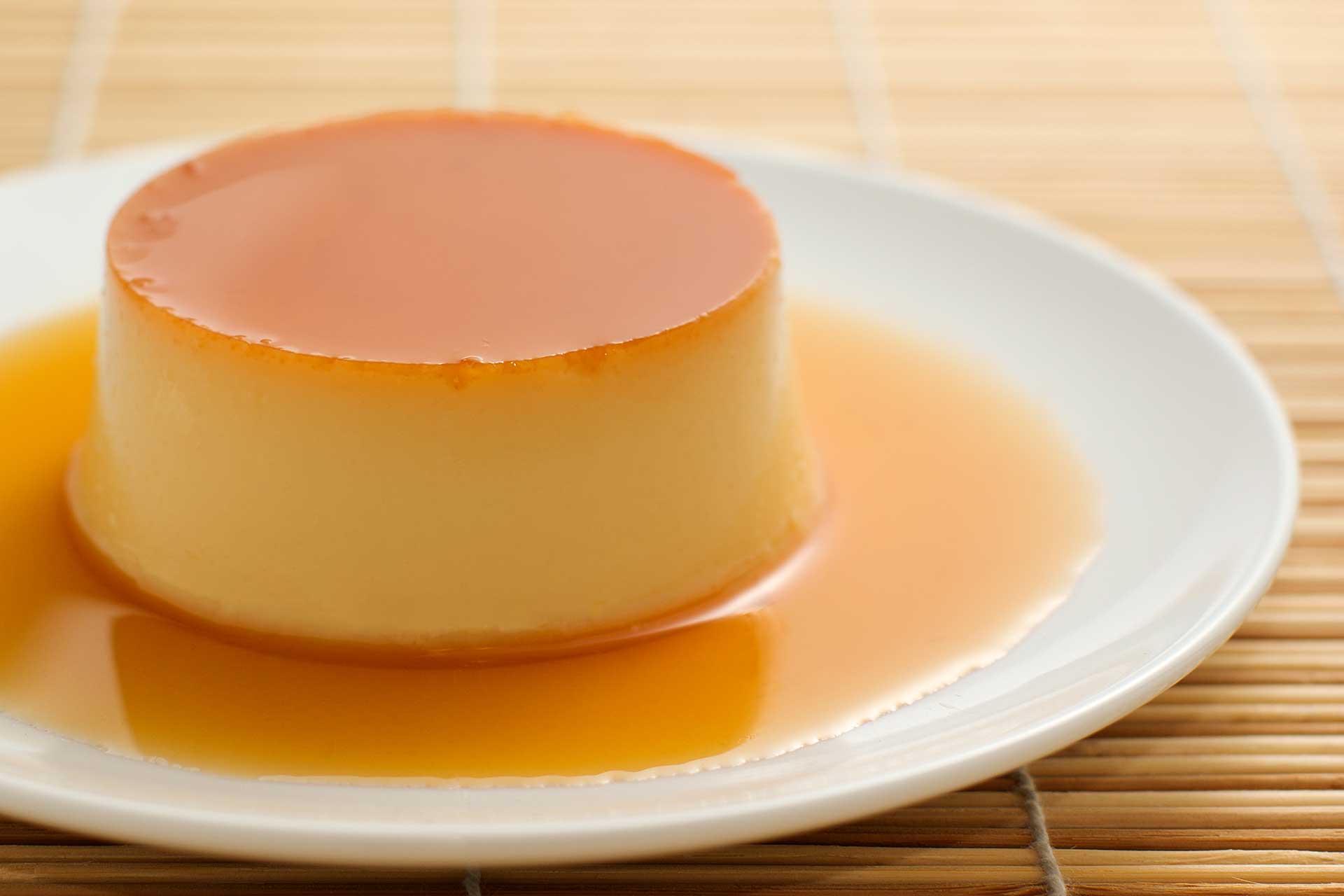
Sweet treats: flan, tembleque, and more
View Recipes
Beverages
Refreshing drinks and tropical cocktails
View Recipes
Sandwiches
Classic Puerto Rican sandwich creations
View Recipes
Note: Some recipes are only available in Spanish. Do you have a good Puerto Rican recipe that you would like to
share? Send your recipe.
The Flavors of Home
Ten dishes that taste like Puerto Rico.
A list of our "must-try" Puerto Rican food - everything from roasted pork to cocido, everything from sofrito to asopao. Typical dishes are made with meat, pork, sweetened rice and various fried treats. Discover what makes further these dishes so great!
-
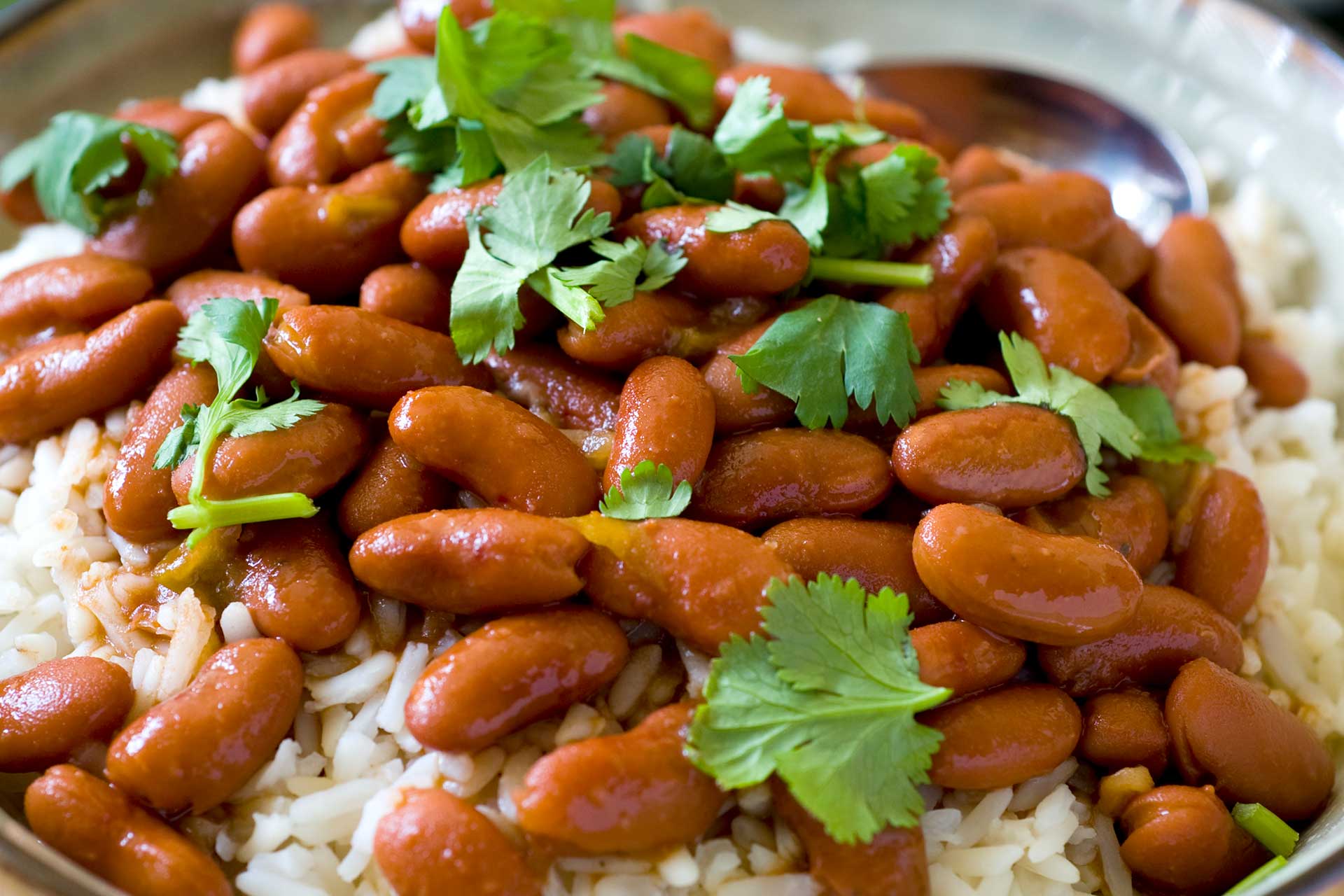
Arroz con gandules
Rice with pigeon peas - Puerto Rico's national dish, seasoned with sofrito and often served during holidays.
- Lechón Asado (Roasted Pork)
Slow-roasted pork marinated in adobo, traditionally cooked over an open fire. A centerpiece at celebrations.
- Mofongo
Made by mashing tostones (fried plantains) with garlic, olive oil, and chicarrones or bacon.
-
Tostones
Twice-fried green plantains, crispy on the outside and tender inside. Perfect as a side or snack with mayo-ketchup.
- Pasteles
Made of mashed plantains or yucca, filled
with meat and other vegetables, wrapped in the leaves of the banana tree. A holiday tradition.
-
Alcapurrias
Fried fritters made with yuca or plantain dough, stuffed with seasoned beef or crab. Popular street food.
- Chicken Asopao
Hearty rice stew with chicken or seafood, similar to gumbo. Comfort food perfect for rainy days.
-
Bacalaitos
Crispy codfish fritters, a beloved beach snack and festival food. Best enjoyed fresh and hot.
- Tembleque
Creamy coconut pudding dusted with cinnamon. A light, jiggly dessert that's a holiday staple.
-
Coquito
Eggnog-like alcoholic beverage, made with rum and coconut milk, sweet condensed milk, cinnamon and nutmeg.
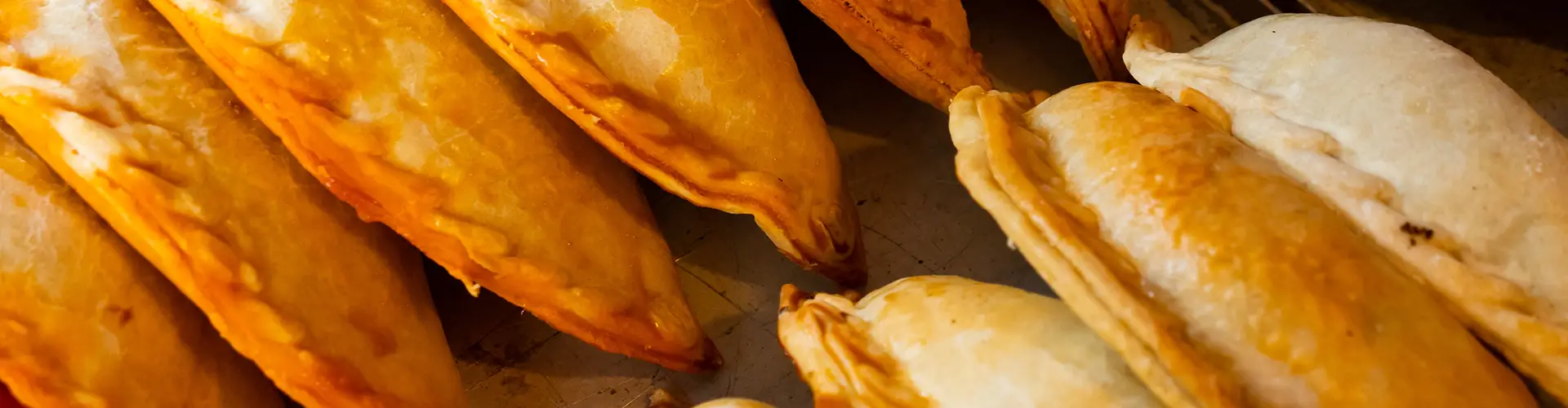
Love Puerto Rican frituras? From crispy alcapurrias and bacalaítos to rellenos, sorullitos, and empanadillas, fried street foods are an essential part of Puerto Rico's culinary culture.
Explore our Puerto Rican Frituras Guide
Puerto Rican Drinks to Try
- Piña Colada: Puerto Rico's official drink - rum, coconut cream, and pineapple
- Coquito: Puerto Rican eggnog with coconut, rum, and spices
- Café con Leche: Strong Puerto Rican coffee with steamed milk
Limber: Frozen fruit ice in a cup, perfect for hot days
Puerto Rican Coffee
If you are a coffee lover, you have undoubtedly heard of Puerto Rico's coffee. Coffee has been a fundamental part of Puerto Rican culture for centuries.
Puerto Rican coffee is generally strong, smooth, and often used to make café con leche. Grown in the mountains, it's considered some of the finest coffee in the world.
The secret it is in the sazón
A little history. A lot of flavor.
Puerto Rican cuisine, known as Cocina Criolla, is a vibrant fusion of Taino, Spanish, and African culinary traditions. At its heart is sofrito—an aromatic, fragrant blend of peppers, onions, garlic, and herbs that forms the flavor base for nearly every iconic dish, from slow-roasted meats to comforting stews.
Hungry for the history? Read the Origins and Evolution of Puerto Rican Cuisine.
Passed Down Throght Generations
Recipes worth keeping.
Puerto Rican cuisine is more than recipes - it's a cultural tradition passed down through generations.
Slow Cooking
Many dishes like pernil and sancocho require hours of slow cooking to develop deep, complex flavors.
Family Recipes
Recipes are closely guarded family secrets, with each grandmother adding her own special touch.
Holiday Foods
Special dishes mark celebrations - pasteles for Christmas, arroz con gandules for every gathering.
Kitchen Wisdom
Cooking knowledge passed down orally - measurements by feel, seasoning to taste, cooking until "it's ready."
Made with Love
More than a recipe. A tradition.
Cultural Influences
Taíno: Indigenous ingredients like yuca, yautía, and peppers formed the foundation of island cooking.
Spanish: Colonizers introduced rice, wheat, olive oil, and cooking techniques like sofrito.
African: Enslaved Africans brought okra, plantains, and complex spice blends.
Modern: American and other Caribbean influences continue to evolve the cuisine.
Discover the full story: Explore how these cultures blended to shape our island's food identity.
Essential Cooking Techniques
Making Sofrito: The aromatic base that starts most Puerto Rican dishes - sauté until fragrant.
Frying Plantains: Technique varies - green for tostones (twice-fried), ripe for sweet amarillos.
Creating Pegao: The crispy rice at the bottom of the pot - highly prized and fought over!
Seasoning: Liberal use of adobo, sazón, and garlic - Puerto Rican food is bold and flavorful.
East Like a Local
The best flavors aren't always in restaurants.
Puerto Rico's street food scene is legendary - from beachside kiosks to roadside stands serving fresh, hot, and incredibly delicious treats.
Must-Try Street Food
Alcapurrias - $1.50 - $3.00
Deep-fried fritters made from yuca and green banana masa, stuffed with seasoned meat or crab
Bacalaítos - $1.00 - $2.00
Crispy, salty codfish fritters that are a beach and roadside favorite
Pinchos - $2.00 - $4.00
Grilled meat skewers (chicken or pork) basted with barbecue sauce
Sorullitos - $1.00 - $2.50
Sweet cornmeal sticks fried until golden and served with mayo-ketchup
Limber - $0.50 - $1.50
Puerto Rico's version of Italian ice - frozen fruit juice in a cup
Rellenos de Papa - $2.00 - $3.50
Crispy potato balls stuffed with seasoned ground beef
Famous Food Kiosk Destinations
Visit these legendary spots for the ultimate street food experience.
Piñones
Famous beachside food kiosks east of San Juan
Luquillo
60+ kiosks serving everything from seafood to mofongo
Guavate
Legendary pork highway with roasted lechón
A Seat at Our Table
Where every celebration begins with food.
Puerto Rican holidays are all about family, tradition, and incredible food. These festive meals are the highlight of the year.
Christmas Season
Puerto Rican Christmas lasts from Thanksgiving through mid-January - the longest holiday season in the world!
Parrandas
Surprise musical visits to friends' homes late at night, where hosts must serve food and drinks
Lechón
Whole roasted pig is the centerpiece of major celebrations, cooked slowly over charcoal
Coquito
Puerto Rico's version of eggnog made with coconut cream, rum, and spices - bottled and shared with everyone
Nochebuena (Christmas Eve) - December 24
The most important meal of the year - families gather for a feast that starts late and lasts until dawn.
Main Dishes:
- Pernil (Roasted Pork)
- Arroz con Gandules
- Pasteles
- Morcilla (Blood Sausage)
Sides:
- Ensalada de Coditos
- Tostones
- Amarillos
Desserts:
- Tembleque
- Arroz con Dulce
- Flan
Día de Reyes (Three Kings Day) - January 6
Marks the end of the Christmas season with another grand feast and gift-giving tradition.
Main Dishes:
- Lech&oaute;n Asado (Roasted Pig)
- Arroz con Gandules
- Mofongo
Sides:
- Yuca con Mojo
- Ensalada Verde
- Viandas Hervidas
Desserts:
- Rosca de Reyes (Kings Cake)
- Besitos de Coco
- Dulce de Coco
Thanksgiving (Puerto Rican Style) - November (4th Thursday)
Puerto Rican families blend American Thanksgiving traditions with island flavors for a unique fusion feast
Main Dishes:
- Pernil or Pavo Guisado (Stewed Turkey)
- Arroz con Gandules
- Mofongo Stuffing
Sides:
- Sweet Potato Casserole
- Tostones
- Habichuelas Guisadas
Desserts:
- Flan
- Tres Leches
- Tembleque
Did you know?
A few delicious facts.
Some fascinating numbers about Puerto Rican food culture.
3x
Puerto Ricans drink 3x more coffee per capita than average Americans
12lbs
Average person eats 12+ pounds of rice per year in Puerto Rico
60+
Luquillo has 60+ food kiosks serving every kind of Puerto Rican food
Piña Colada
Created in Puerto Rico in 1954 at the Caribe Hilton's Beachcomber Bar
Plantain Paradise
Puerto Rico consumes more plantains per capita than nearly any other place
Christmas Marathon
Puerto Rico celebrates the world's longest Christmas season - November to mid-January!
Bring the Flavors Home
Keep our recipes close.
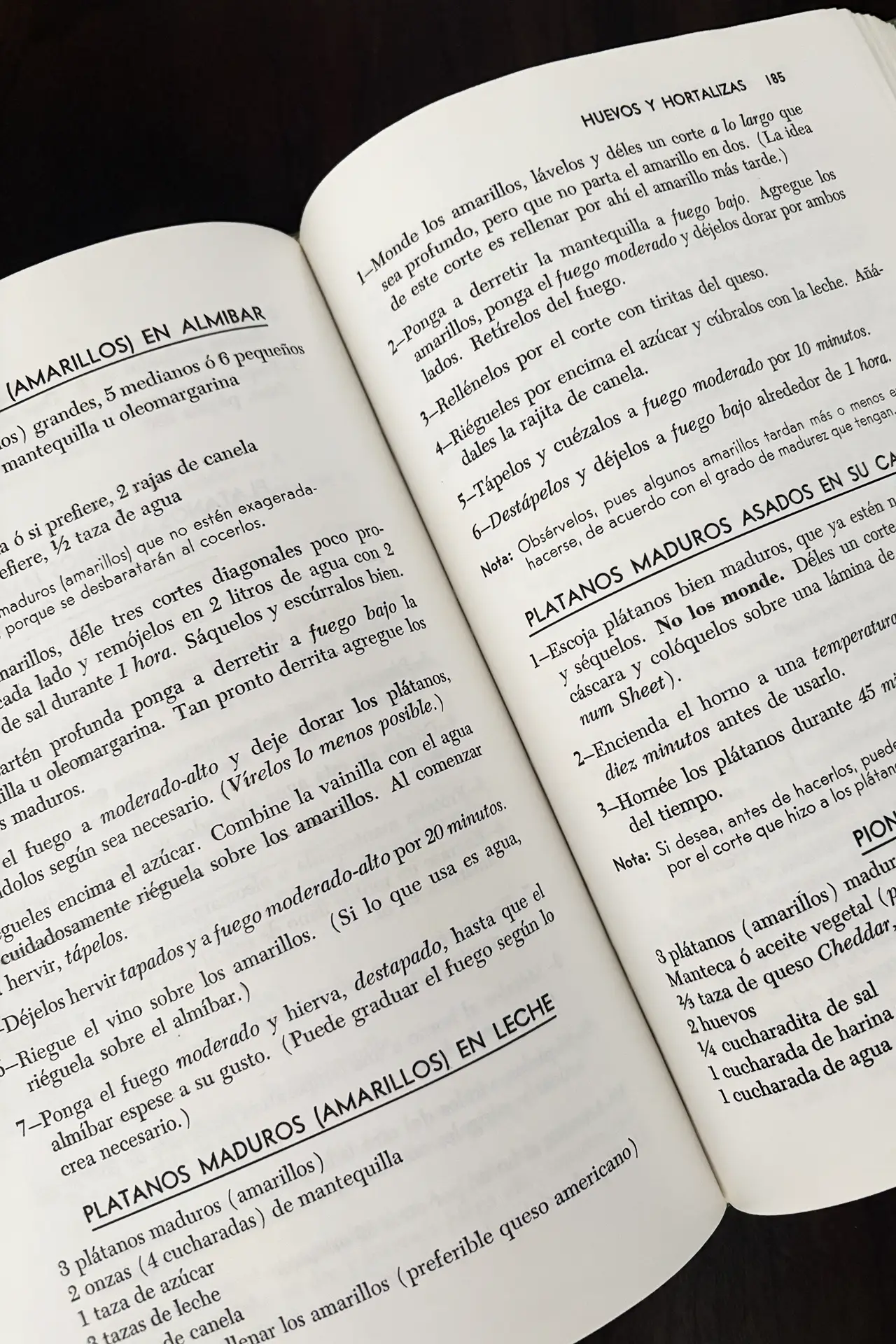
My Favorite Recipe Book
Enjoy the island's cuisine at home, get a copy of
Puerto Rican Cookery by Carmen Aboy Valldejuli with
accurate and easy-to-follow recipes assure the success of every dish. " ...considered today to be the
definitive book(s) on island cooking."--Craig Claiborne, The New York Times.
The Spanish edition of this book,
Cocina criolla
will become a treasured keepsake. My mother gave me this cookbook on my 18th birthday
and it has been my staple recipe book ever since.
Other Resources
Puerto Rican Food & Traditions
Frequently Asked Questions
What is cocina criolla in Puerto Rico?
Cocina criolla refers to Puerto Rico's traditional home-style cooking,
shaped by Taíno, Spanish, African, and other cultural influences.
It combines local ingredients, distinctive seasonings, and cooking
techniques passed down through generations. Many of Puerto Rico's
most beloved dishes are part of this culinary tradition.
What is Puerto Rico's most famous traditional dish?
Arroz con gandules (rice with pigeon peas) is one of Puerto Rico's
most iconic dishes, especially during holidays and family celebrations.
Other favorites include mofongo, pernil (roast pork), pasteles,
asopao, and tostones. Each dish reflects a different part of the
island's culinary heritage.
What are the main ingredients in Puerto Rican cooking?
Common ingredients include rice, beans, plantains, yuca, pigeon peas,
pork, chicken, seafood, garlic, onions, peppers, and culantro.
Sofrito, a flavorful mixture of herbs and aromatics, is a foundation
for many traditional dishes. Adobo and sazón are also commonly used
to season food.
Is Puerto Rican food spicy?
Traditional Puerto Rican food is generally flavorful rather than
very spicy. Dishes often rely on garlic, sofrito, oregano, and
other seasonings instead of intense chili heat. Some meals may
be served with pique, a Puerto Rican hot sauce that adds heat
according to personal preference.
What is the difference between sofrito and sazón?
Sofrito is a mixture of fresh aromatics, commonly including peppers,
onions, garlic, and herbs, used as a flavor base in many Puerto Rican
recipes. Sazón is a seasoning blend that adds flavor and often color
to dishes such as rice, beans, and stews. Both are important in
Puerto Rican cooking, but they serve different purposes.
What foods are traditionally served during Christmas in Puerto Rico?
Puerto Rican Christmas celebrations often feature arroz con gandules,
pernil, pasteles, and ensalada de papa (potato salad). Traditional
holiday drinks and desserts may include coquito, tembleque, and
arroz con dulce. Recipes and family traditions vary across the island.
What is the difference between mofongo and mangú?
Mofongo is a Puerto Rican dish typically made from fried green
plantains mashed with garlic and other ingredients, often including
pork cracklings. Mangú, associated with Dominican cuisine, is
generally made from boiled green plantains mashed until smooth.
Although both feature plantains, their preparation and texture differ.
What are popular Puerto Rican street foods?
Popular Puerto Rican street foods include alcapurrias, bacalaítos,
empanadillas, pinchos, and sorullitos de maíz. These foods are
commonly found at roadside kiosks, festivals, beachside stands,
and neighborhood food establishments.
Are Puerto Rican recipes naturally gluten-free?
Some traditional Puerto Rican dishes are naturally made without
gluten-containing ingredients, including certain rice dishes,
plantain preparations, and roasted meats. However, recipes vary,
and seasonings, sauces, breading, frying oil, and cross-contact
can introduce gluten. People with celiac disease or gluten
sensitivities should verify ingredients and preparation methods
before eating.
How can I learn to cook traditional Puerto Rican food?
Start with foundational ingredients and techniques such as preparing
sofrito, cooking rice and beans, and working with plantains.
Recipes for arroz con gandules, tostones, and pernil are excellent
ways to explore cocina criolla. Family recipes, traditional
cookbooks, and hands-on cooking experiences can also help
preserve Puerto Rico's culinary traditions.
Did You Know?
Puerto Rico's public school system served more than 600,000 students at the beginning of the 21st century. Today, it educates approximately 236,000 students, reflecting one of the most significant demographic shifts in the island's modern history.
Get Our Newsletter
Discover new places, local flavors, upcoming events, cultural stories, and some of our favorite finds from around the island.
Read the Latest ¡La Isla! Newsletter
Follow Along