
Puerto Rico's Culture and Traditions
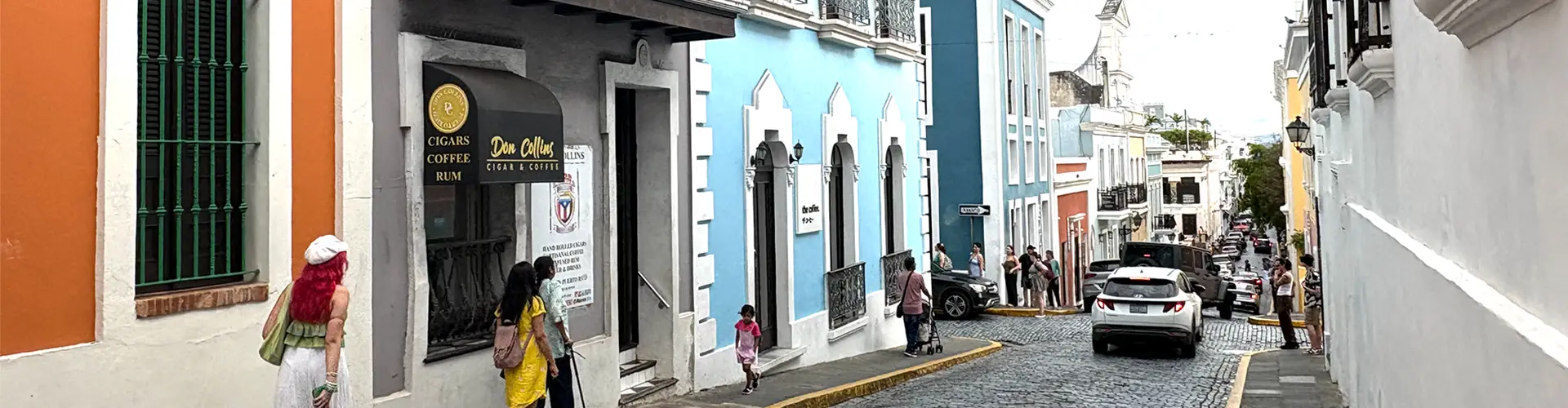
Puerto Rican culture is a vibrant blend of history, traditions, music, food, art, and community. Shaped by Taíno Indigenous heritage, Spanish colonial influences, African traditions, and centuries of cultural exchange, the island has developed an identity that is distinctly its own.
From the rhythms of bomba and plena to the flavors of traditional Puerto Rican cuisine, from colorful festivals to family customs passed down through generations, Puerto Rico's culture is woven into everyday life.
Explore the people, traditions, and cultural expressions that make Puerto Rico unique, and discover how the island continues to celebrate and preserve its heritage.
Overview
The Roots of Puerto Rican Culture
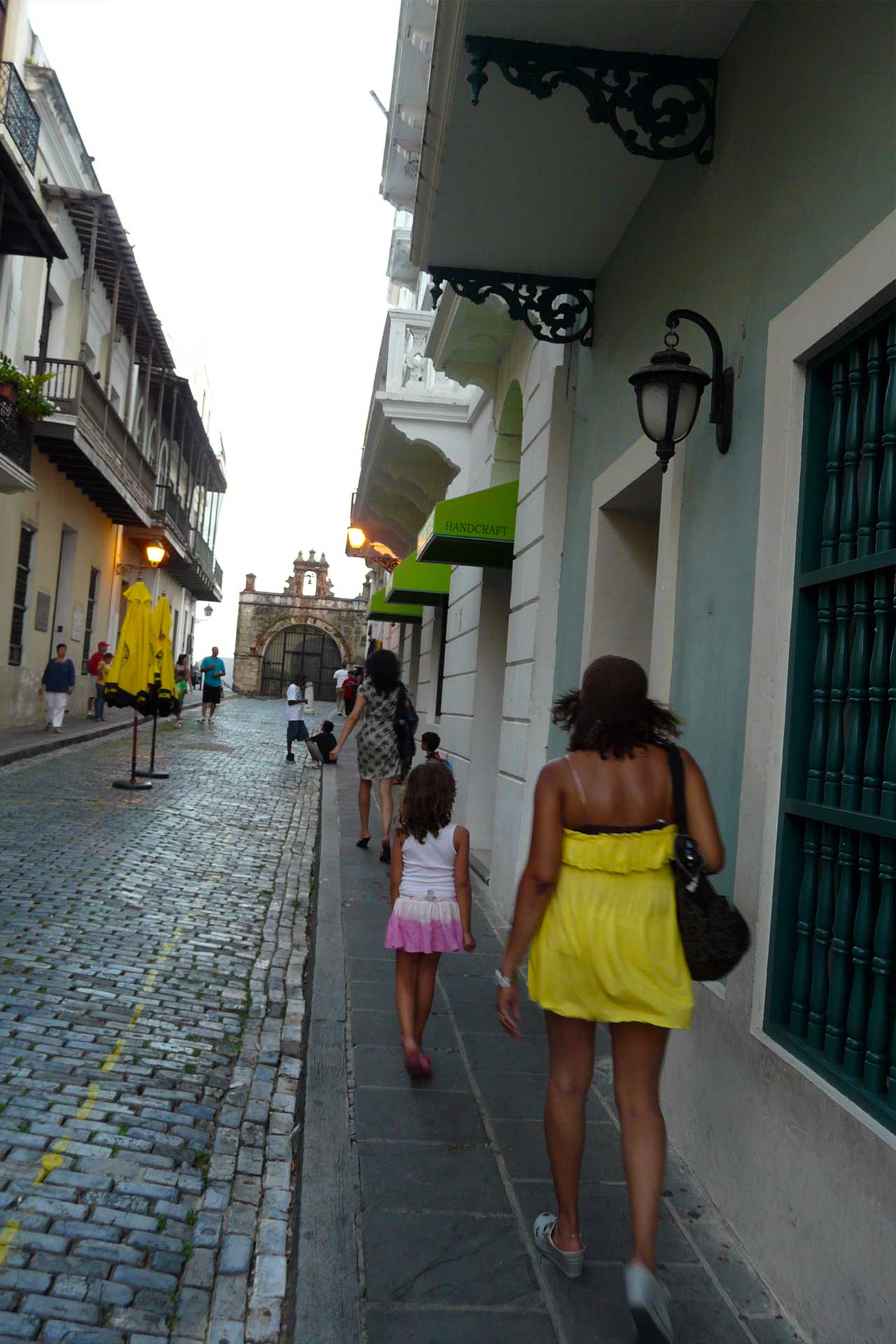
Puerto Rico's cultural identity developed through centuries of interaction among Indigenous peoples, Europeans, Africans, and later communities who made the island their home. These influences shaped the island's language, religion, music, cuisine, architecture, and traditions.
Taíno Heritage
The Taíno were among the Indigenous peoples inhabiting Puerto Rico before European colonization. Their legacy remains visible in place names, agricultural practices, traditional foods, archaeological sites, and everyday words such as hamaca, huracán, and canoa.
Indigenous heritage also continues through descendants and contemporary efforts to preserve and reclaim Taíno cultural identity.
Spanish Influences
Spanish colonization profoundly influenced Puerto Rico's language, religion, architecture, legal traditions, and celebrations. Spanish remains the island's primary language, while historic churches, plazas, and colonial buildings reflect centuries of architectural heritage.
African Heritage
Africans brought to Puerto Rico through the transatlantic slave trade and their descendants made foundational contributions to the island's culture. African heritage is especially evident in musical traditions such as bomba, as well as in dance, foodways, language, and community practices.
A Culture That Continues to Evolve
Puerto Rican culture is not limited to its historical roots. Migration, relationships with the United States, Caribbean connections, and the Puerto Rican diaspora continue to influence contemporary music, literature, art, food, and everyday life.
A Living Culture
Puerto Rican culture is alive, evolving, and deeply connected to everyday life. Its creativity and traditions are expressed through architecture, art, literature, music, food, language, sports, and celebrations.
Explore the many expressions of Puerto Rican identity, from historic traditions to contemporary cultural achievements.










A Nation of Contrasts
Puerto Rico is a land of contrasts and dualities - a place where modern and traditional, Spanish and American, old and new coexist harmoniously.
- Pride & Patriotism - While Puerto Ricans appreciate their free association with the United States, they are deeply loyal to their Puerto Rican identity, language, and traditions.
- Music & Dance - Puerto Rico is the birthplace of salsa, reggaeton, bomba, and plena, each carrying centuries of influence.
- Food & Flavors - A fusion of Spanish, African, and Indigenous Taino flavors creates an unforgettable culinary experience - from lechon asado (roast pork) to mofongo (mashed plantains with garlic and pork cracklings).
- Festivals & Traditions - Puerto Rico celebrates hundreds of festivals each year, honoring religious, historical, and cultural traditions with music, food, and community gatherings.
Folklore & Traditional Beliefs
Puerto Rican folklore preserves stories, beliefs, and customs passed down through generations. These traditions reflect Indigenous mythology, Spanish and African influences, rural life, and the island's rich storytelling heritage.
From Taíno spiritual traditions and legends surrounding mysterious places to the Chupacabra and traditional superstitions, folklore offers a fascinating perspective on Puerto Rican cultural identity.
The jíbaro, traditionally associated with Puerto Rico's rural mountain communities, also occupies an important place in the island's folklore, music, and cultural imagination.
Explore Puerto Rican Folklore, Legends & Traditions
Everyday Life & Cultural Customs
Puerto Rican culture is expressed not only through festivals and historic traditions, but also through everyday interactions, family relationships, language, and social customs.
Family & Community
Family relationships often play a central role in Puerto Rican life. Extended families may gather regularly for meals, birthdays, holidays, and other celebrations.
Hospitality & Courtesy
Warm greetings, friendly conversation, and hospitality are widely valued. In many social settings, greeting others when arriving and saying goodbye when leaving are considered important expressions of courtesy.
Language & Expressions
Puerto Rican Spanish includes distinctive expressions, pronunciation patterns, and vocabulary shaped by the island's history and cultural influences.
Words such as boricua express Puerto Rican identity and pride, while everyday sayings and expressions reflect the island's humor and social traditions.
Dress & Social Traditions
Clothing in Puerto Rico reflects the island's tropical climate, contemporary fashion, and individual preferences. Traditional garments and accessories may also appear during cultural festivals and performances.
Cultural & Natural Symbols of Puerto Rico
Puerto Rico's national symbols reflect the island's natural beauty, cultural identity, and historical heritage. From native wildlife to beloved folklore icons, these symbols are woven into everyday Puerto Rican life.
National Symbol
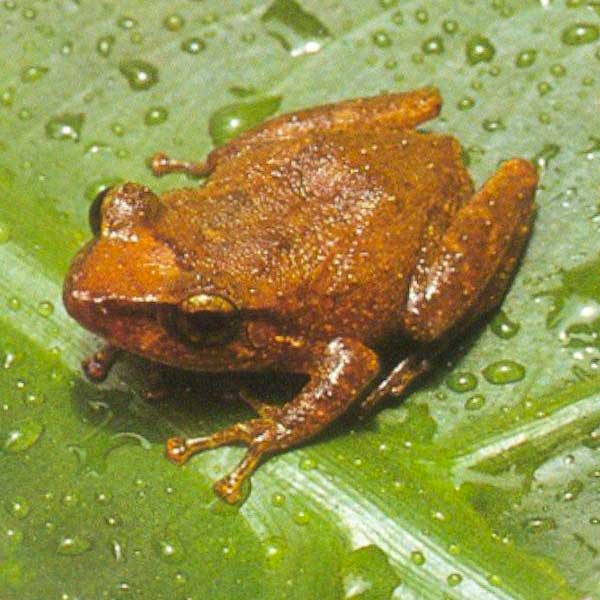
While the coqui - a tiny frog found everywhere
in the island - is not an official national symbol, its image figures
prominently in Puerto Rican culture and heritage. Known for its distinctive nighttime call, the coquí represents island pride and identity.
When Puerto Ricans want to express their nationality, they say: Soy de aquí como el coquí (I'm as Puerto Rican as a coquí).
National Bird
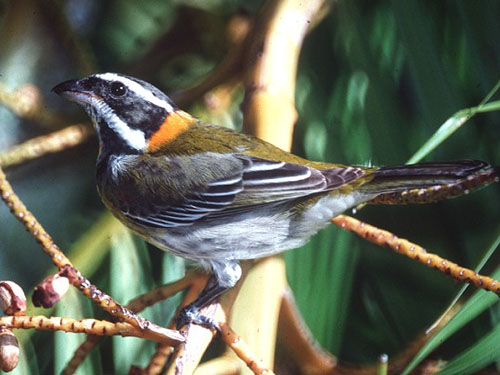
Reina Mora
Spindalis portoricensis (formerly called the Stripe-headed
Tanager (Spyndalis zena portoricensis))
Also known as the Puerto Rican Spindalis, the Reina Mora is a colorful songbird native to the island. Its striking orange, black, and white plumage makes it one of Puerto Rico's most recognizable native birds.
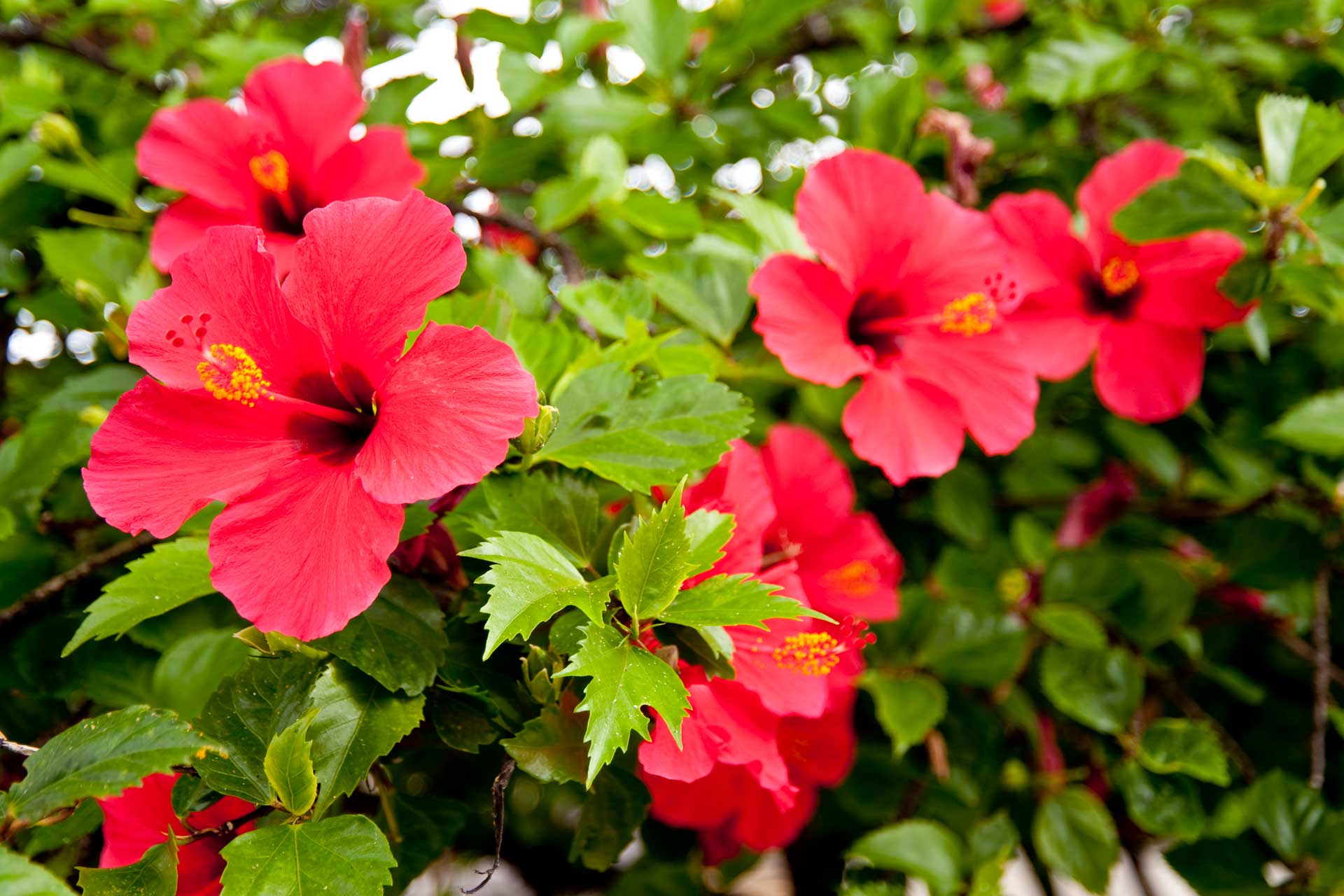
National Tree
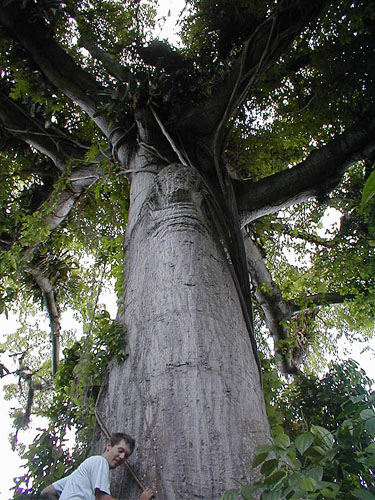
Ceiba
Silk-cotton tree (ceiba pentandra)
The Ceiba, or silk-cotton tree, is one of the largest and most majestic trees in Puerto Rico. In Taino tradition, it was considered sacred and believed to connect the heavens, earth, and underworld.
National Instrument
Puerto Rican Cuatro
The Puerto Rican cuatro is a plucked 10-string instrument with a neck.
The word cuatro means "four", which was the total number of strings of the earliest Puerto Rican instrument.
Holidays & Celebrations
Christmas in Puerto Rico is more than a single holiday—it is an extended season filled with family gatherings, music, food, faith, and traditions passed from one generation to the next. Celebrations begin in late November and can continue well into January, making the holiday season an especially vibrant expression of Puerto Rican culture.
Parrandas bring friends and family together for late-night music and singing, while Nochebuena centers around family, traditional foods, and celebration. New Year's brings its own customs, followed by one of Puerto Rico's most cherished traditions: Día de los Reyes Magos on January 6. The festivities can continue through Las Octavitas and into the Fiestas de la Calle San Sebastián.
Puerto Rican Christmas Traditions
Discover what makes Christmas on the island distinctive, from Nochebuena and lively parrandas to holiday foods, music, New Year's traditions, Las Octavitas, and Puerto Rico's famously extended Christmas season.
Explore Puerto Rican Christmas Traditions
Three Kings Day — Día de Reyes
On January 6, Puerto Rico celebrates Los Tres Reyes Magos. Learn about the origins of Día de Reyes, children gathering grass for the Kings' camels, gifts on Three Kings morning, the famous celebration in Juana Díaz, and the traditions that have kept the holiday alive for generations.
Discover Three Kings Day in Puerto Rico
Unique Festivals & Traditions of Puerto Rico
Discover the colorful festivals, cherished customs, music, and celebrations that make Puerto Rican culture unique.
Explore Festivals & Traditions »
Frequently Asked Questions
What is Puerto Rican culture known for?
Puerto Rican culture is known for its vibrant music, flavorful cuisine, festivals, traditions, art, sports, and blend of Taíno, Spanish, African, and American influences.
What are the main influences on Puerto Rican culture?
Puerto Rican culture reflects a blend of Taíno Indigenous heritage, Spanish colonial traditions, African influences, and modern American culture.
What music is popular in Puerto Rico?
Puerto Rico is known for musical styles such as bomba, plena, salsa, reggaetón, Latin trap, danza, and jíbaro folk music.
What foods are part of Puerto Rican culture?
Traditional Puerto Rican foods include mofongo, arroz con gandules, lechón, tostones, pastelón, and flan.
What holidays and traditions are celebrated in Puerto Rico?
Puerto Rico celebrates holidays and traditions such as Christmas, Three Kings Day, parrandas, the San Sebastián Festival, and local patron saint festivals.
What language is spoken in Puerto Rico?
Spanish and English are the official languages of Puerto Rico, with Spanish being the primary language spoken by most residents.
Why is Puerto Rican culture unique?
Puerto Rican culture is unique because it combines Caribbean, Latin American, African, European, and Indigenous influences into a distinct identity expressed through music, food, language, traditions, and everyday life.
Did You Know?
Caguas is nicknamed La Ciudad Criolla because of its strong connection to Puerto Rican traditions, music, cuisine, and culture.
Get Our Newsletter
Discover new places, local flavors, upcoming events, cultural stories, and some of our favorite finds from around the island.Read the Latest ¡La Isla! Newsletter
Follow Along


