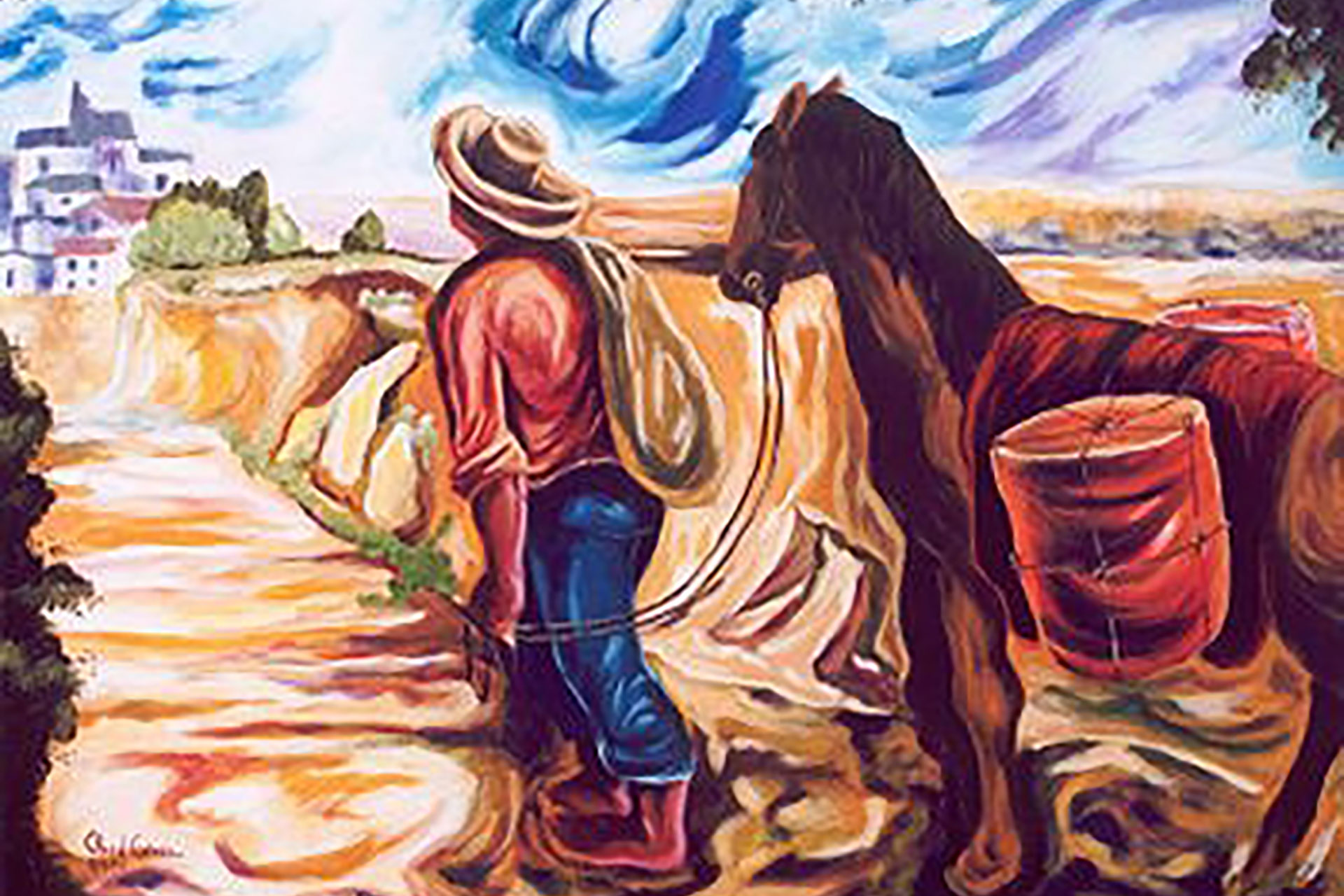
The People of Puerto Rico
The heart of the island.
Puerto Ricans, or Boricuas, are known for their warmth, friendliness, and expressive, welcoming nature.
Puerto Ricans are U.S. citizens with a distinct cultural identity. The population of approximately 3.2 million reflects centuries of
cultural mixing, resulting in a society that embraces diversity while maintaining strong cultural traditions.
The concept of "Boricua" pride runs deep, referring to the indigenous Taino name for the island. This
pride manifests in everything from music and art to sports and daily interactions, creating a strong sense of national identity despite being a U.S. territory.
Meet the Boricuas
3.2 Million on the Island
Puerto Rico's population reflects centuries of cultural mixing — Indigenous Taíno, Spanish settlers, West African descendants, and later American and Caribbean migrations.
More Puerto Ricans in the U.S.
Over 5 million people of Puerto Rican origin live on the U.S. mainland — mostly in New York, Florida, and New Jersey — maintaining strong cultural ties to the island.
"Boricua" Identity
From the Taíno name "Boriken" — the island's original name. Calling someone Boricua is an acknowledgment of pride, resilience, and belonging. It cuts across geography and generation.
What Shapes Everydat Life?
The island, its people, and their stories.
Language
Spanish and English shape Puerto Rico's bilingual identity. Spanish is the heart of daily life, while English connects the island to global culture, education, and tourism.
2 Official Languages
Bilingual Society
Both Spanish and English are official languages, though Spanish predominates in daily life.
95%
Spanish Speakers
Spanish is the primary language spoken at home and in most social settings.
~50%
English Proficiency
About half the population speaks English with varying degrees of proficiency.
Puerto Rican Spanish
Vocabulary:
Includes Taíno words like hamaca (hammock), huracán (hurricane), maíz (corn) — still in everyday use centuries later.
Pronunciation:
The "r" at the end of words often sounds like an "l" — Boricua dialect has its own distinct cadence and rhythm.
"Spanglish":
Code-switching between Spanish and English is common and natural — not a sign of incomplete knowledge, but fluency in both.
Explore Language »
Education
Puerto Rico's education system blends history, bilingual learning, and modern opportunity. The island has public and private schools, technical and vocational programs, and universities that prepare students for careers in a wide range of fields.
The University of Puerto Rico system and other higher education institutions contribute to research, professional development, and cultural life. Students may pursue studies in fields ranging from science and engineering to business, healthcare, education, and the arts.
93.3%
High Literacy
Literacy rate among the population
1,400+
Public Schools
Public schools across the island
50+
Universities
Higher education institutions
28%
College Educated
Hold bachelor's degree or higher
Explore Education »
Religion & Spirituality
Faith and tradition are woven into Puerto Rican culture. From historic churches to diverse spiritual practices, religion continues to influence community and celebrations across the island. Roman Catholicism has deep historical roots, while Protestant and evangelical churches, other faith communities, and nonreligious perspectives contribute to the island's religious diversity.
Faith and tradition are especially visible during Christmas, Three Kings Day, Holy Week, and local patron saint festivals. Historic churches and community gatherings reflect the lasting connection between religion and Puerto Rican cultural heritage.
56%
Roman Catholic
The predominant religion, deeply rooted in Spanish colonial heritage
33%
Protestant
Growing Protestant denominations including Pentecostal and Baptist
8%
Other Faiths
Including Judaism, Islam, Buddhism, and other religions
3%
Non-Religious
Those who identify as atheist, agnostic, or non-religious
Explore Religion »