
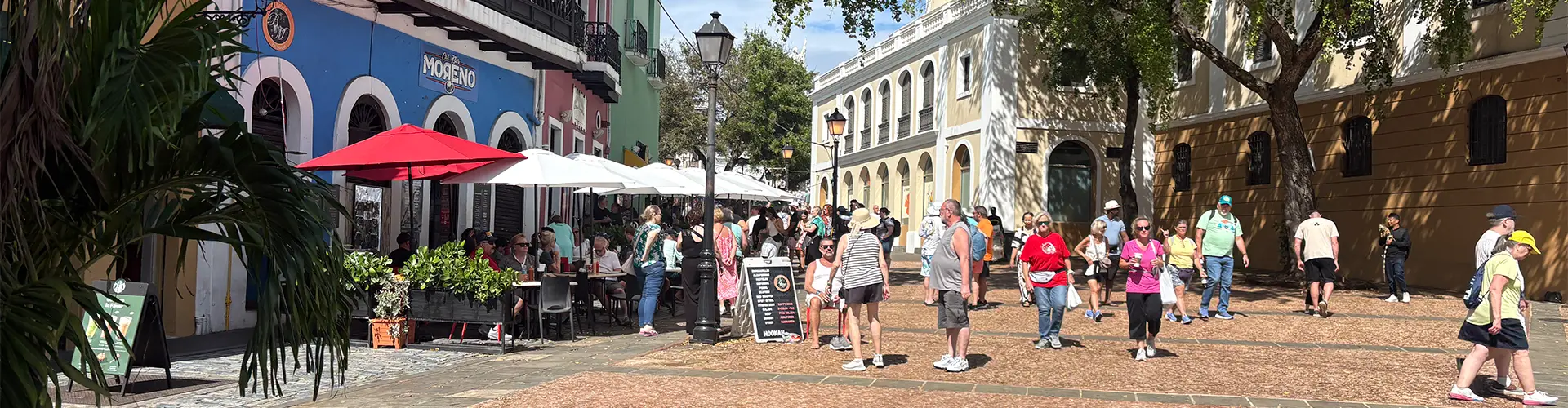
Language in Puerto Rico
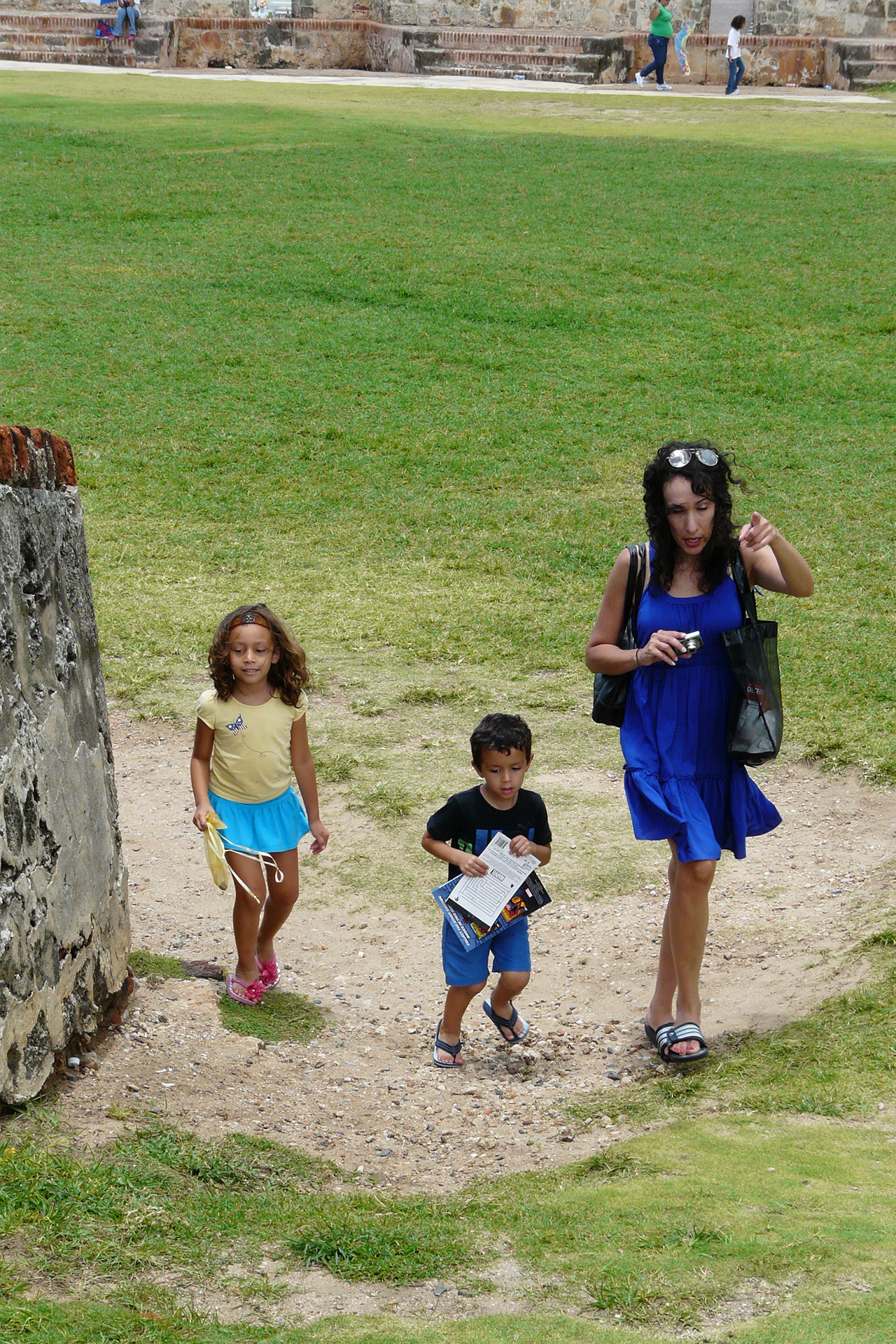
Spanish and English are the official languages of Puerto Rico, reflecting the island's unique cultural history and political relationship with the United States. Spanish remains the primary language of everyday life, while English is widely encountered in tourism, business, government, and education.
According to the U.S. Census Bureau data from 2010, that 94.9% of people spoke a language other than English at home. The U.S. Census Bureau also reports that only around 30% can speak English very well. In general, English is spoken by about 1/4 of the population-with limited capabilities. English is required in all federal matters and is spoken in all major tourist areas (80% Spanish, 20% other).
English proficiency varies across Puerto Rico. Many Puerto Ricans speak or understand English, particularly in tourism and professional settings, but visitors should not assume that everyone is fluent. In some communities and everyday situations, you may encounter people who primarily speak Spanish. Knowing a few basic Spanish words and phrases can be helpful and is always appreciated.
Spanish: The Language of Culture and Daily Life
Spanish is deeply rooted in Puerto Rican identity. Introduced during Spanish colonization, it became the primary language of government, education, literature, and social life. Today, Spanish continues to shape how Puerto Ricans communicate, tell stories, create music, and express cultural traditions.
Puerto Rican Spanish has its own unique character, influenced by Taino, African, and English linguistic elements. Local expressions, accents, and slang - often heard in music and everyday conversation - reflect the island's vibrant cultural heritage.
English: A Second Language with Global Reach
English gained prominence after Puerto Rico became a U.S. territory following the Spanish-American War in 1898. Today, English is widely taught in schools and used in federal government matters, tourism, and international business. Visitors will find English commonly spoken in hotels, restaurants, and major tourist areas.
Although English proficiency varies across the island, bilingualism remains an important part of education and professional life. Many Puerto Ricans comfortably switch between Spanish and English depending on context, a practice sometimes referred to as "Spanglish".
A Bilingual Society
Puerto Rico's bilingual environment reflects a blend of Caribbean and American influences. Spanish dominates daily communication, while English provides access to global markets, higher education, and international travel.
This balance between languages contributes to Puerto Rico's unique cultural identity - one that embraces tradition while remaining connected to the wider world.
Language at a Glance
- Official languages: Spanish and English
- Primary language spoken at home: Spanish
- English proficiency: Varies; widely taught in schools
- Use of English: Federal matters, tourism, business, and education
Language and Culture
Language is more than communication - it reflects history, identity, and creativity. From salsa lyrics and poetry to everyday conversation, Puerto Rican Spanish carries rhythms and expressions shaped by centuries of cultural exchange. The coexistence of Spanish and English continues to influence how Puerto Ricans connect locally and globally.
Puerto Rican Spanish
Puerto Rican Spanish has its own distinct flavor, influenced by indigenous Taíno words, African languages, and American English. The accent and vocabulary differ notably from other Spanish-speaking countries, giving the island a unique linguistic identity.
Common Taíno-derived words like "hamaca" (hammock), "huracán" (hurricane), and "barbacoa" (barbecue) are integral to everyday speech. The rapid pace and dropped consonants in Puerto Rican Spanish create a melodic, distinctive sound.
Despite its distinctive accent, vocabulary, and expressions, Puerto Rican Spanish is mutually intelligible with Spanish spoken elsewhere. Regional differences exist, but they generally do not prevent communication with Spanish speakers from other countries.
What About Spanglish?
Puerto Ricans don't always keep Spanish and English separate. In everyday conversation, bilingual speakers may switch naturally between the two languages, borrow English words, or adapt them into distinctly Puerto Rican expressions.
From janguear ("to hang out") to switching languages in the middle of a sentence, Puerto Rican Spanglish reflects more than a century of cultural exchange between Puerto Rico and the United States.
Explore Puerto Rican Spanglish
Common Puerto Rican Phrases
¡Wepa!
Expression of excitement or joy (similar to "Wow!" or "Yeah!")
¿Qué lo que?
"What's up?" - casual greeting among friends
Chavos
Slang for money (from "octavos")
Cafre
Someone who is loud or rowdy
Want to Sound More Boricua?
Puerto Rican Spanish has hundreds of colorful expressions that have nothing to do with Spanglish—from wepa and corillo to revolú, chavos, and al garete.
Explore Puerto Rican Words & Expressions
Interesting Fact
Spanish or Castilian (español or castellano) is, like
French, Portuguese, Italian, an Iberian Romance language, derived from Latin. Spanish
is a phonetic language, words are pronounced exactly as they are spelled.
Did You Know?
More than 70% of the rum sold in the U.S. comes from Puerto Rico.
Get Our Newsletter
Discover new places, local flavors, upcoming events, cultural stories, and some of our favorite finds from around the island.Read the Latest ¡La Isla! Newsletter
Follow Along


