
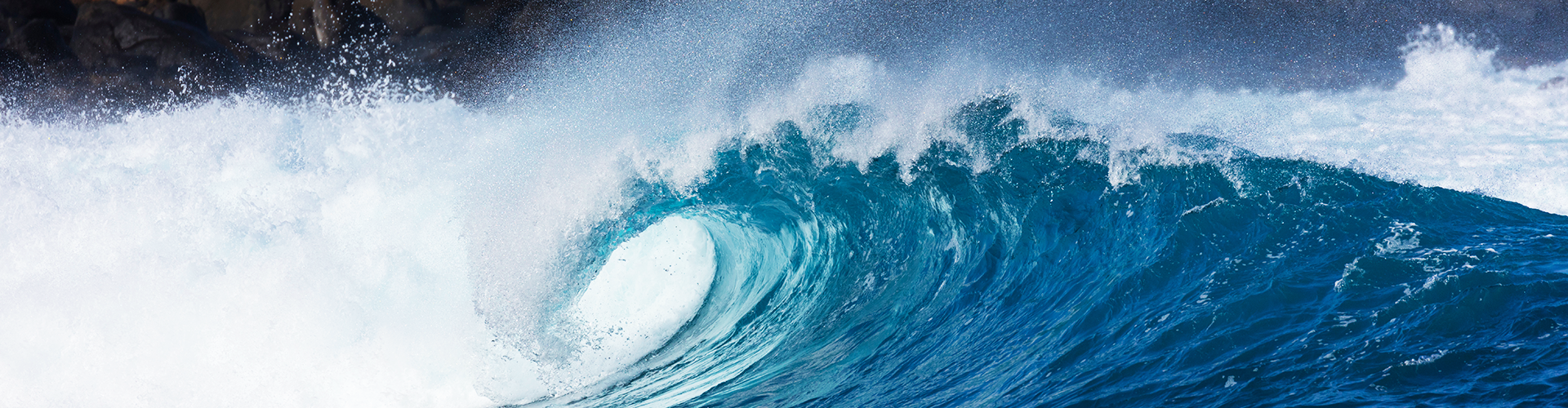
Surfing in Puerto Rico
Puerto Rico is one of the Caribbean's best-known surfing destinations, with powerful Atlantic swells, warm tropical waters, and a vibrant surf culture. From the legendary waves of Rincón to the beaches of Aguadilla and Isabela, the island offers memorable surfing experiences for different skill levels.
Whether you're planning your first surf lesson or searching for challenging reef breaks, Puerto Rico has a variety of surfing destinations to explore. The northwest coast is especially famous for its winter waves, while conditions elsewhere around the island vary with the season, wind, and swell direction.
Overview
Best Surf Spots in Puerto Rico
Puerto Rico's Atlantic-facing coastline is home to many of the island's most celebrated surf breaks. Rincón, Aguadilla, and Isabela are particularly popular, each offering its own combination of beaches, reef breaks, and coastal scenery.
Rincón: Puerto Rico's Surfing Capital
Located on Puerto Rico's western coast, Rincón is internationally recognized for its surfing heritage. The town became especially well known after hosting the 1968 World Surfing Championships, helping establish Puerto Rico as a destination for surfers from around the world.
Popular surfing locations around Rincón include:
- Domes Beach: Known for powerful waves and a long-established surfing community.
- Maria's Beach: A celebrated surf break that can produce excellent waves during favorable swells.
- Tres Palmas: Famous for its exceptionally large waves during major winter swells; appropriate only for highly experienced surfers under suitable conditions.
- Sandy Beach: A popular beach with changing surf conditions and nearby accommodations and restaurants.
Beyond surfing, Rincón offers spectacular sunsets, beachside restaurants, and a relaxed coastal atmosphere.
Aguadilla: Atlantic Waves and Scenic Beaches
Aguadilla, on Puerto Rico's northwestern coast, is another major surfing destination. Its coastline features exposed beaches and reef breaks that respond differently to changing Atlantic swells.
Notable surfing locations include:
- Surfer's Beach: A well-known surfing beach with reef and rock hazards that require care.
- Wilderness: An exposed surf area that can produce powerful waves and challenging conditions.
- Crash Boat Beach: Famous for its beautiful water and recreational atmosphere, with surf conditions that vary considerably. It is not a consistently beginner-friendly surf break.
Aguadilla also offers convenient access to nearby coastal communities, restaurants, and other outdoor activities.
Isabela: Surf Breaks and Dramatic Coastlines
Isabela is known for its striking coastal scenery, limestone formations, and exposed Atlantic beaches. The area attracts surfers looking for powerful waves and a variety of surfing environments.
Popular locations include:
- Jobos Beach: One of Isabela's most recognized surfing locations, with waves that can become powerful and crowded.
- Middles Beach: A well-known break associated with surfing competitions and stronger Atlantic swells.
Visitors should pay particular attention to reef formations, currents, and changing wave conditions along this coastline.
Other Places to Surf in Puerto Rico
Although the northwest coast receives much of the attention, surfing is also part of life in other coastal communities.
- La Pared, Luquillo: A recognized surfing beach on the northeastern coast. Conditions vary, and beginners should seek professional instruction.
- San Juan: Some metropolitan beaches receive surfable waves, although conditions and hazards differ considerably between locations.
- Other coastal areas: Additional breaks can become active when swell direction and local weather conditions are favorable.
Best Time to Surf in Puerto Rico
The most consistent surf season along Puerto Rico's north and northwest coasts generally runs from fall through spring, with winter Atlantic swells often producing the largest waves.
| Season | Typical Conditions | What to Expect |
|---|---|---|
| Fall September–November |
Transition into the Atlantic swell season | Increasing opportunities for surf, with variable conditions and tropical weather considerations. |
| Winter December–February |
Frequent north Atlantic swells | Often the most powerful surf of the year, including conditions suitable only for advanced surfers. |
| Spring March–May |
Gradually changing swell patterns | Surf opportunities continue, although conditions become less consistent toward late spring. |
| Summer June–August |
Generally smaller north-coast surf | Some locations may be calmer, but favorable swells and hazardous conditions can still occur. |
Important: Surf conditions depend on swell height and direction, wave period, wind, tides, and local geography. Always check a current surf forecast before entering the water. Hurricane-season swells can be especially dangerous, even when a storm is far offshore.
Surfing in Puerto Rico for Beginners
If you've never surfed before, Puerto Rico can be a rewarding place to learn with an experienced instructor. Surf schools operate in several coastal communities, including Rincón, Aguadilla, and Luquillo.
A beginner lesson typically introduces:
- Surfboard handling and basic paddling techniques
- How to stand and maintain balance
- Understanding waves, currents, and beach hazards
- Surf etiquette and respecting other surfers
- Choosing waves appropriate for your experience
Rather than choosing a beach solely by its reputation, ask a qualified local instructor which location is appropriate for the conditions on the day of your lesson. A beach that is manageable one day may be dangerous the next.
Surfing for Experienced Surfers
Puerto Rico's winter swells can create challenging waves over reefs and rocky seabeds. Locations such as Tres Palmas, Wilderness, and certain breaks around Rincón and Isabela are known for conditions that can demand considerable experience and local knowledge.
Experienced surfers should research each break's entry and exit points, underwater hazards, currents, and swell requirements before paddling out.
Surf Culture in Puerto Rico
Surfing has been an important part of Puerto Rico's coastal culture for decades. Communities along the northwestern coast have developed a strong surfing identity, with local surf shops, instructors, competitions, and generations of surfers sharing the ocean.
Rincón's international recognition grew significantly after the 1968 World Surfing Championships. Today, Puerto Rican surfers continue to participate in competitive surfing, while local businesses and community organizations help introduce new generations to the sport.
Surfing in Puerto Rico is also an opportunity to experience coastal communities beyond the waves: local restaurants, small businesses, cultural traditions, and the island's natural landscapes.
Planning Your Surf Trip
Where to Stay
Rincón, Aguadilla, and Isabela offer convenient bases for exploring multiple surfing locations. Accommodation options range from guesthouses and vacation rentals to hotels and beachfront properties.
Getting Around
A rental car is often the most practical way to visit different surf breaks, especially when traveling with boards or exploring beaches outside major tourist areas. Learn more Getting Around Puerto Rico.
Surfboard Rentals and Lessons
Surf shops and schools in established surfing communities may offer board rentals, lessons, and guided experiences. Check equipment availability, lesson requirements, and cancellation policies before your visit.
What to Bring
- Appropriate swimwear or a rash guard
- Water-resistant sun protection
- Drinking water and a reusable water bottle
- A suitable surfboard and leash
- Foot protection where appropriate for local conditions
- A current surf and weather forecast
Surf Safety and Local Etiquette
Puerto Rico's beaches can have strong currents, submerged rocks, coral reefs, and rapidly changing wave conditions. Some of the island's most famous surf breaks are not appropriate for beginners.
- Check current surf, wind, and weather conditions.
- Pay attention to posted warnings and lifeguard instructions.
- Never assume a calm-looking beach is safe for swimming or surfing.
- Avoid surfing alone, particularly at unfamiliar breaks.
- Respect local surfers and established right-of-way etiquette.
- Protect reefs and marine habitats by avoiding contact with coral.
- Stay out of the water during dangerous swell, storm, or current conditions.
If you're unfamiliar with a particular beach, consult local surf professionals before entering the water.
Frequently Asked Questions
Is Puerto Rico good for surfing?
Yes. Puerto Rico is an established Caribbean surfing destination,
especially along its north and northwest coasts. Rincón,
Aguadilla, and Isabela are among its best-known surfing areas.
What is the best time of year to surf in Puerto Rico?
Fall through spring generally offers the most consistent
north Atlantic swells, with winter often producing the
largest waves. Conditions vary by beach and weather.
Where is the best surfing in Puerto Rico?
Rincón, Aguadilla, and Isabela are particularly well known.
The best location on any given day depends on swell
conditions and your experience level.
Can beginners learn to surf in Puerto Rico?
Yes. Surf lessons are available in several coastal
communities. Beginners should choose a qualified instructor
who can select a suitable location based on current conditions.
Do I need to bring my own surfboard?
Not necessarily. Surf shops and schools in popular
surfing areas may offer rentals, although availability
and equipment options vary.
Is surfing in Puerto Rico safe?
Surfing involves risks, including strong currents,
reef hazards, and changing wave conditions.
Choosing an appropriate break, checking forecasts,
and following local safety guidance can reduce risks.
Can you surf in Puerto Rico during the summer?
Yes, when conditions are favorable. However,
the north and northwest coasts generally experience
smaller and less consistent surf during summer.
Keep Planning Your Trip
Getting Around Puerto Rico
Explore transportation options, including rental cars, Uber, taxis, public transit, and ferries, in our Getting Around Puerto Rico guide.
Top Cities to Visit
Discover Puerto Rico's most popular destinations, from historic San Juan to charming coastal towns and mountain communities. Explore our top cities to visit.
More Travel Ideas
Find inspiration for your next adventure, from beautiful beaches and natural wonders to cultural attractions and unforgettable experiences. Explore more Puerto Rico travel ideas.
Did You Know?
Puerto Rican Coffee was served in official state dinners at the White House. Under President Theodore Roosevelt (1901-1909), Puerto Rican coffee formed part of every White House breakfast.
Get Our Newsletter
Discover new places, local flavors, upcoming events, cultural stories, and some of our favorite finds from around the island.Read the Latest ¡La Isla! Newsletter
Follow Along


