
Ceiba, Puerto Rico
(sai-EE-bah)
Nestled along Puerto Rico's scenic northeast coast, Ceiba is a charming seaside municipality known as the Gateway to Vieques and Culebra. Named after the majestic ceiba tree, one of the island's most iconic native trees, the town combines beautiful beaches, nature reserves, rivers, and easy access to Puerto Rico's offshore islands. Once home to the historic Roosevelt Roads Naval Station, Ceiba has transformed into an important transportation hub while preserving its relaxed coastal character. Today, visitors come to enjoy unspoiled beaches, freshwater pools, outdoor adventures, and some of the island's best ferry connections.
Locals are known as "Los Sin Sopa" (without soup), because the town did not have a local meat market and people had to travel to long distances buy meat. Ceiba derives its name from a Indian word seyba, which is the name for a famous tree that grows in the island, the Ceiba Pentandra.
Overview
Why Visit Ceiba?
Ceiba offers a quieter alternative to many of Puerto Rico's more visited beach destinations. Its beautiful coastline, protected nature reserves, calm beaches, and rivers make it ideal for travelers looking to experience Puerto Rico's natural beauty away from large crowds.
Perhaps its greatest advantage is location. Ceiba serves as the departure point for ferries and regional flights to Vieques and Culebra, making it an excellent place to begin an island-hopping adventure. Whether you're exploring the beaches of Medio Mundo, cooling off at Charco Frío, or boarding a ferry for Flamenco Beach, Ceiba offers the perfect combination of relaxation and exploration.
Top Things to Do in Ceiba
Ceiba Ferry Terminal
The modern Ceiba Ferry Terminal is the primary departure point for passenger ferries to Vieques and Culebra. Thousands of visitors pass through Ceiba each year on their way to Puerto Rico's two inhabited offshore islands. The terminal also provides beautiful views of the Caribbean Sea and nearby cays.
Ceiba International Airport (RVR)
Located on the former Roosevelt Roads Naval Station, Ceiba International Airport offers quick flights to Vieques and Culebra. The airport has become an important regional transportation center while preserving part of the former naval base's aviation history.
Medio Mundo Beach
One of Ceiba's hidden treasures, Medio Mundo Beach features soft white sand, calm turquoise waters, and a peaceful atmosphere ideal for swimming, picnicking, and relaxing. Located within the Medio Mundo and Daguao Nature Reserve, it remains one of the least crowded beaches on Puerto Rico's east coast.
Los Machos Beach
Popular with local families, Los Machos Beach offers picnic pavilions, calm waters, and shaded areas beneath swaying palm trees. It is one of the easiest beaches to access in Ceiba and is ideal for spending a leisurely afternoon by the sea.
Charco Frío
Fed by waters flowing from El Yunque, Charco Frío is a series of refreshing natural pools surrounded by tropical vegetation. The shallow pools and cool freshwater make it a favorite destination for families looking to escape the coastal heat.
Las Tinajas
Just outside Ceiba, Las Tinajas has become one of eastern Puerto Rico's most popular natural attractions. Visitors can enjoy waterfalls, natural waterslides, rope swings, and crystal-clear pools tucked within the tropical forest.
Medio Mundo and Daguao Nature Reserve
This protected coastal reserve safeguards mangroves, wetlands, forests, beaches, and important wildlife habitats. Birdwatchers, photographers, and nature enthusiasts will appreciate its rich biodiversity and scenic landscapes.
Roosevelt Roads Historic Area
Although much of the former naval station has been redeveloped, the area remains an important part of Ceiba's history. Today it houses the airport, marina facilities, and new commercial developments that continue to shape the municipality's future.
Plan your Visit
Whether you're planning to spend the day relaxing on quiet beaches or catching a ferry to Vieques or Culebra, Ceiba offers a convenient and enjoyable base for exploring Puerto Rico's eastern coast. The town is easy to navigate, and its proximity to beaches, nature reserves, and transportation hubs makes it ideal for both day trips and longer stays.
Getting There
By Air
Luis Muñoz Marín International Airport (SJU) is approximately one hour west of Ceiba by car. Travelers can also arrive through Ceiba International Airport (RVR), which offers regional flights to Vieques and Culebra.
By Sea
Ceiba is home to Puerto Rico's main passenger ferry terminal serving Vieques and Culebra. Reservations are strongly recommended, particularly on weekends, holidays, and during the busy summer season
By Car
Ceiba is easily reached via PR-53 (José Celso Barbosa Expressway), which connects the municipality with Fajardo, Humacao, and San Juan. Scenic coastal highways also provide access from neighboring communities.
Getting Around
Rental Car
Renting a car is the best way to explore Ceiba's beaches, natural areas, and surrounding attractions. It also provides flexibility for visitors continuing to nearby municipalities.
Public Transportation and Taxis
Ride-share services and taxis are available but may be limited compared to larger metropolitan areas. Visitors using the ferry often rely on rental cars or taxis to reach their accommodations.
Walking
The downtown area is relatively compact, but most attractions—including beaches, the ferry terminal, and nature reserves—require transportation.
Nature & Resources
Geography
Ceiba is located on Puerto Rico's eastern coast, bordered by Fajardo to the north, Naguabo to the south, Río Grande to the west, and the Caribbean Sea to the east. Covering approximately 30 square miles, the municipality combines coastal plains, mangrove forests, rolling hills, rivers, and protected natural areas.
Several rivers flow through Ceiba, including the Daguao, Fajardo, and Demajagua rivers, helping sustain diverse ecosystems that range from tropical forests to coastal wetlands.
Neighborhoods & Barrios
Ceiba is divided into 8 barrios (PDF) (wards/districts):
- Chupacallos
- Daguao
- Guayacán
- Machos
- Quebrada Seca
- Pueblo
- Río Abajo
- Saco
Climate
Ceiba enjoys a tropical maritime climate with warm temperatures throughout the year. Average daytime highs generally range from the low 80s°F during winter to around 90°F during the summer months.
Rainfall is fairly evenly distributed, although the wetter season typically runs from May through November, annual precipitation is approximately 4 inches. Trade winds from the Caribbean help moderate temperatures, making Ceiba a pleasant destination year-round.
Local Tip
If you're taking the ferry to Vieques or Culebra, arrive early and spend some time exploring Ceiba's waterfront or enjoying breakfast before boarding. The sunrise over the Caribbean is worth the early start.
10 Day Forecast from weather.com
Where to Stay
Although many travelers pass through Ceiba on their way to Vieques or Culebra, the municipality offers several comfortable accommodations for visitors wishing to explore Puerto Rico's eastern coast.
- Hacienda Siesta Alegre
- Casa de Huéspedes Villa Celeste
- El Conquistador Resort (Fajardo)
- Las Casitas Village
- Wyndham Palmas Beach & Golf Resort
Vacation rentals are popular with families, groups, and travelers planning extended beach vacations.
Local Flavors & Festivities
Where to Eat
- El Varadero Seaside Grill El Rancho de Ceiba La Casona Restaurant
- El Varadero
- Panadería Cookie
- Sueños de Azúcar
Festivals and Events
Displaying 6 results.
-
Festival de Chiringas
- March
Colorful kite festival featuring handcrafted kites, family competitions, live music, artisan vendors, and outdoor activities celebrating Ceiba's coastal breezes.
-
Festival del Marlin
- May
Celebrates Ceiba's sportfishing heritage with fresh seafood, fishing tournaments, live music, artisan vendors, local cuisine, and family entertainment.
-
Fiesta Nacional de la Raza
- October
Annual cultural celebration recognizing Puerto Rico's Hispanic and Indigenous heritage through music, dance, educational exhibits, artisan crafts, and traditional cuisine.
-
Fiestas Patronales de San Antonio de Padua
- June
Every June Ceiba honors San Antonio de Padua with concerts, carnival rides, artisan kiosks, religious processions, parades, traditional foods, and family entertainment in the town plaza.(787) 885-2180
-
Maraton de los Enamorados
- February
Annual Valentine's-themed road race attracting runners of all ages and promoting healthy living through a festive community event.
-
Maraton del Pavo
- November
Traditional Thanksgiving road race welcoming runners and families for a community sporting event before the holiday season.:
History
Founded in 1838, Ceiba takes its name from the magnificent ceiba tree, one of Puerto Rico's largest and most revered native trees. During the nineteenth century, agriculture dominated the local economy, with sugar cane, coconuts, and livestock supporting the community.
Ceiba's history changed dramatically during World War II when the United States Navy established Roosevelt Roads Naval Station, which eventually became one of the largest naval facilities in the world. For decades, the base shaped the municipality's economy, population, and infrastructure.
Following the naval station's closure in 2004, Ceiba entered a new chapter. Former military facilities were converted into the Ceiba International Airport, marina, commercial developments, and the ferry terminal serving Vieques and Culebra. Today, tourism, transportation, recreation, and environmental conservation are helping redefine the municipality while preserving its coastal heritage.
Moments in History
Ceiba is officially founded on April 7, 1838 as a municipality, by Luis de la Cruz.
Agriculture, particularly sugar cane and coconuts, becomes the area's primary economic activity.
Construction of Roosevelt Roads Naval Station transforms Ceiba into an important military community.
Roosevelt Roads becomes one of the U.S. Navy's largest strategic installations in the Caribbean.
Roosevelt Roads Naval Station officially closes.
Redevelopment begins on the former naval base.
Passenger ferry service to Vieques and Culebra relocates from Fajardo to Ceiba.
Ceiba serves as Puerto Rico's principal gateway to its two inhabited offshore islands while expanding tourism, aviation, and outdoor recreation.
Notable People
Despite its relatively small population, Ceiba has produced notable figures in politics, entertainment, and public service whose accomplishments have contributed to Puerto Rico's cultural and civic life.
Famous Ceibeños
Felisa Rincón de Gautier
1897–1994
Politics • Public Service
Known affectionately as Doña Fela, Felisa Rincón de Gautier was a political leader, women's rights advocate, and longtime mayor of San Juan. Born in Ceiba, she became the first woman elected mayor of a capital city in the Americas and was widely respected for programs benefiting children, older adults, and underserved communities.
Luis Vigoreaux
1928–1983
Television • Radio • Entertainment
Luis Vigoreaux was a pioneering Puerto Rican television and radio host, announcer, comedian, actor, and producer. Born in the Chupacallos barrio of Ceiba, he helped shape the island's early television industry and became one of Puerto Rico's most recognizable media personalities.
Isabel Rosado Morales
1907–2015
Social Work • Education • Activism
Born in Ceiba's Chupacallos barrio, Isabel Rosado Morales was a teacher, social worker, and advocate for Puerto Rican independence. She helped establish the organization now known as the Colegio de Profesionales del Trabajo Social de Puerto Rico and remained active in social and political causes throughout her long life.
Carlos Santos
1955–
Boxing
Carlos Santos represented Puerto Rico in boxing at the 1976 Summer Olympics and later became a world junior-middleweight champion. Closely associated with Ceiba, he was one of the leading Puerto Rican boxers of his generation and compiled a distinguished professional career.
McJoe Arroyo
1985–
Boxing
McJoe Arroyo is a professional boxer and former world super-flyweight champion from Ceiba. He also represented Puerto Rico internationally as an amateur, continuing the municipality's strong tradition of producing accomplished boxers.
McWilliams Arroyo
1985–
Boxing
McWilliams Arroyo is an Olympic boxer and former amateur world champion from Ceiba. The twin brother of McJoe Arroyo, he represented Puerto Rico at major international competitions before building a successful professional boxing career.
City Symbols
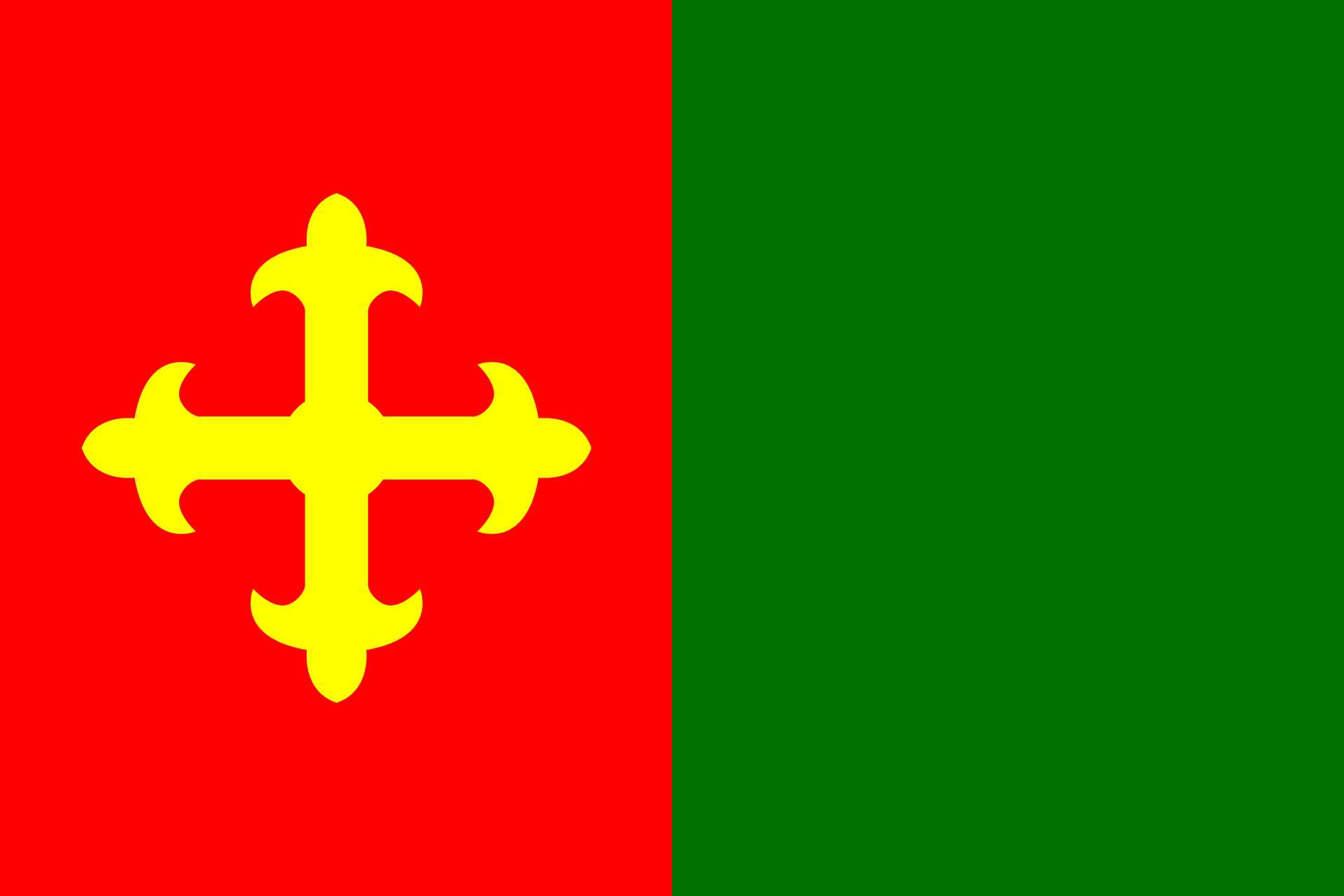
Flag
Ceiba's flag features the traditional colors of red and green, inspired by the municipality's coat of arms. The golden cross honors Luis de la Cruz, founder of the town, while the green field symbolizes the majestic ceiba tree from which the municipality takes its name.
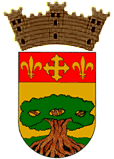
Code of Arms
The coat of arms incorporates the ceiba tree, Christian symbolism, and references to the municipality's founder. The shield reflects both Ceiba's natural heritage and its historical origins, while the mural crown identifies it as one of Puerto Rico's municipalities.
Anthem
The municipal anthem, titled "Ceiba," celebrates the community's natural beauty, history, and the pride of its residents. It reflects the municipality's deep connection to the ceiba tree and Puerto Rico's eastern coast.
Written by Carmen E. Perez. The title is Ceiba....
Economy
For much of the twentieth century, Ceiba's economy revolved around Roosevelt Roads Naval Station, which employed thousands of military personnel and civilian workers. Since the base's closure, the municipality has successfully diversified its economy.
Today, transportation, tourism, government services, retail businesses, aviation, and hospitality drive local economic activity. The ferry terminal and Ceiba International Airport generate significant visitor traffic, while nearby marinas, recreational facilities, and natural attractions continue attracting investment.
Environmental conservation has also become an important part of Ceiba's future, balancing economic growth with the protection of its wetlands, forests, and coastal ecosystems.
Education
Education is served by several public elementary, middle, and high schools operated by the Puerto Rico Department of Education, along with private educational institutions that serve families throughout the municipality.
Students seeking higher education benefit from Ceiba's proximity to the University of Puerto Rico campuses in Humacao and Río Piedras, as well as institutions in Fajardo and neighboring municipalities. Technical and vocational programs also prepare residents for careers in tourism, transportation, aviation, business, and public service.
Demographics *
Population
11,307
Land Area: 29.04 sq mi
Density: 386 per sq mi
Median Age: 44
Sex: 53% female
Economics **
$12,240
Median household income: $19,092
Puerto Rico: $21,058
Persons below poverty line: 42.2%
Housing, families and educational attainment *
Number of households
4,261
Housing units density:
267 (2013)
Persons per household: 2.63
High school grad or higher: 74%
Marital status: 40% married
* U.S. Census Bureau 2020 data, unless otherwise noted - Source: Quick Facts Puerto Rico.
** U.S. Census Bureau 2016-2020
Map References
Coordinates: 18.2381° N, 65.6278° W
ZIP Code: 00735, 00742
Driving Distance from San Juan: 33 miles
Driving Time: 1 hour, 1 minute
Did You Know?
No officially published Pantone or RGB standard for the triangle blue existed until 2021, contributing to decades of inconsistent reproductions ranging from sky blue to near-black navy.
Get Our Newsletter
Discover new places, local flavors, upcoming events, cultural stories, and some of our favorite finds from around the island.Read the Latest ¡La Isla! Newsletter
Follow Along


