
Cabo Rojo, Puerto Rico
(KAH-bo, ro-ho)
Cabo Rojo is known as "El Pueblo de Cofresí" (Cofresí's town). Cabo Rojo was founded in December 17, 1771 by Nicolás Ramírez Arellano and Miguel de Muesas.
It is said that Cabo Rojo obtained its name by the considerable amount of minerals in its coasts that made the waters look reddish. Cabo means headland and rojo, means the color red.
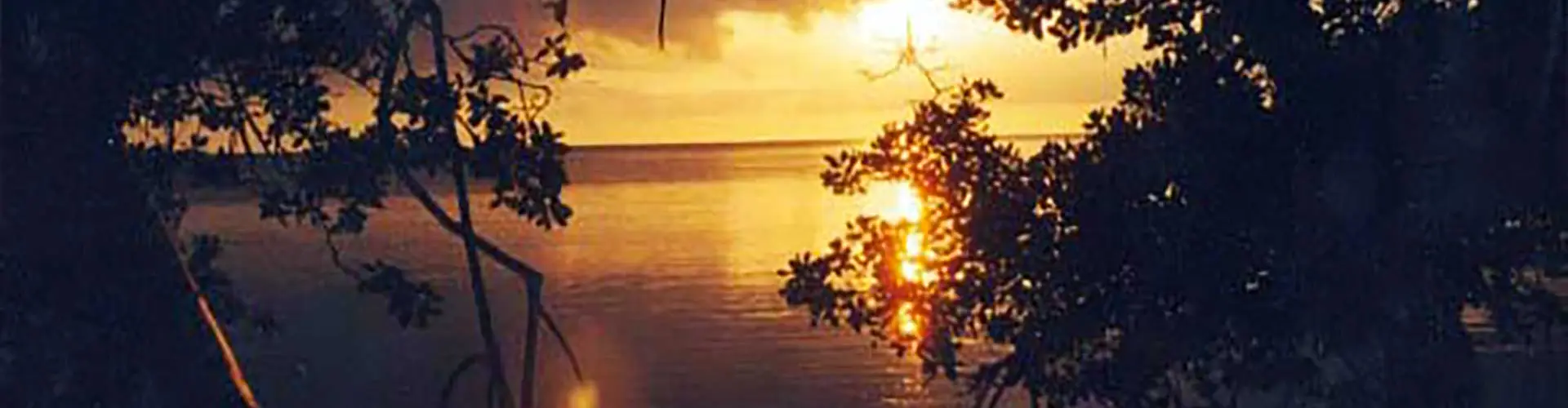
Located in the southwest corner of Puerto Rico, Cabo Rojo is surrounded by miles and miles of beaches. Cabo Rojo is famous for the iconic Los Morrillos Lighthouse, the Cabo Rojo National Wildlife Refuge, and La Parguera nearby, the municipality offers spectacular sunsets, crystal-clear waters, excellent seafood, and countless opportunities for hiking, birdwatching, snorkeling, boating, and beach hopping. Whether you're seeking outdoor adventure or a relaxing coastal escape, Cabo Rojo showcases some of Puerto Rico's most breathtaking natural landscapes.
Overview
Why Visit Cabo Rojo?
Cabo Rojo is home to some of Puerto Rico's most spectacular beaches and natural wonders. From the towering limestone cliffs of Los Morrillos and the pink salt flats to turquoise waters, wildlife refuges, and charming seaside villages, Cabo Rojo offers unforgettable outdoor adventures and some of the Caribbean's most beautiful coastal scenery.
Why I Love Cabo Rojo

Cabo Rojo has always been one of my favorite places to reconnect with Puerto Rico's natural beauty. Every visit reminds me that some of the island's most incredible scenery isn't found in a city or resort, but at the end of a hiking trail overlooking the Caribbean. Don't rush through Playa Sucia or Los Morrillos Lighthouse—take a few extra minutes to simply enjoy the view. It's one of those places that stays with you long after you've gone home.
Things I wish visitors knew
Most visitors stop at the lighthouse and leave. Spend another hour exploring the trails along the cliffs—you'll understand why this is one of my favorite places on the island.
Stay for Sunset
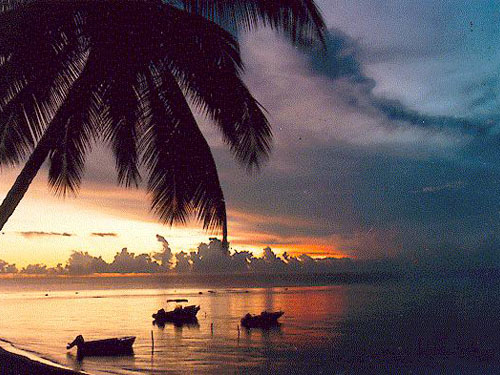
If I could offer just one piece of advice, it would be this: don't leave before sunset. Cabo Rojo has some of the most spectacular sunsets in Puerto Rico. Watching the sun disappear into the Caribbean from Los Morrillos or Combate Beach is one of those moments that reminds me why I never stop recommending this part of the island.
Top Things to Do in Cabo Rojo
Nature & Wildlife
Cabo Rojo National Wildlife Refuge
Spanning more than 1,200 acres, the Cabo Rojo National Wildlife Refuge protects one of Puerto Rico's most important coastal ecosystems, including subtropical dry forests, mangroves, salt flats, lagoons, and coastal wetlands.
More than 300 bird species have been recorded here, including the endangered yellow-shouldered blackbird and the West Indian whistling duck, while sea turtles and other native wildlife thrive throughout the refuge. With its diverse habitats, scenic trails, and exceptional birdwatching opportunities, the refuge is a paradise for nature lovers, photographers, and outdoor enthusiasts.
Los Morrillos Lighthouse ("Faro de Los Morillos")
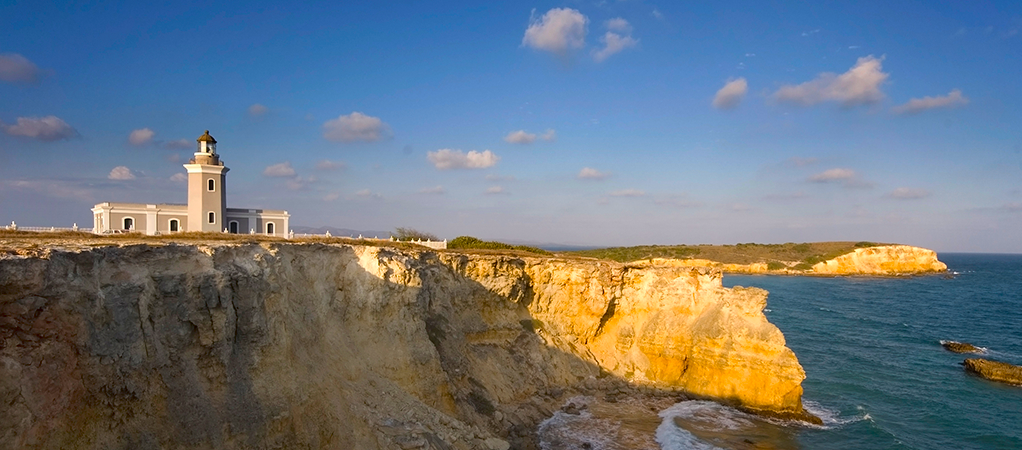
Standing atop dramatic 200-foot limestone cliffs overlooking the Caribbean Sea, Los Morrillos Lighthouse is one of Puerto Rico's most photographed and recognizable landmarks. Built by the Spanish in 1882, the historic white lighthouse marks the entrance to one of the island's most spectacular coastal landscapes.
Visitors can follow scenic trails through cactus-covered terrain to enjoy breathtaking ocean views, rugged cliffs, and unforgettable sunsets. Electrified and automated in 1967, the lighthouse remains both an active navigational aid and a lasting symbol of Puerto Rico's maritime history.
Cabo Rojo Salt Flats & Pink Waters
A RAMSAR-designated wetland of international importance. One of the oldest industries in Puerto Rico, the salt flats have produced sea salt for centuries. The brilliant pink salt ponds of Cabo Rojo create one of Puerto Rico's most photographed landscapes. Salt has been harvested here for centuries using techniques introduced during the Spanish colonial period.
The vivid colors come from microorganisms that thrive in highly saline water, creating a natural spectacle unlike anywhere else on the island.
Combined with the nearby lighthouse, wildlife refuge, and dramatic limestone cliffs, the salt flats are among Puerto Rico's most iconic destinations. Visitors can observe the colorful evaporation ponds while learning about the area's history and abundant birdlife. One of the Caribbean's premier birdwatching sites.
Isla Ratones
Located just offshore from Joyuda, Isla Ratones is a small mangrove island popular for kayaking, paddleboarding, birdwatching, and snorkeling. Accessible only by boat, it offers a quiet escape surrounded by shallow, crystal-clear waters and marine life.
Waterfront Experiences
Boquerón Beach & Village
Boquerón is famous for its wide beach, lively boardwalk, seafood restaurants, bars, and festive atmosphere. It is one of Puerto Rico's favorite beach towns.
Historic & Cultural
Plaza Ramón Emeterio Betances
Named after Cabo Rojo's most celebrated native son, this historic town square serves as the municipality's cultural and social center. Surrounded by colorful colonial buildings, cafés, and the Church of San Miguel Arcángel, the plaza regularly hosts festivals, concerts, and community events.
Museo de Los Próceres
The museum is a cultual heaven, offering a diverse range of exhibits and activities for visitors. It includes sculpture exhibition of national leaders, an Indian Culture gallery, exhibits of Puerto Rican contemporary artists, a collection of paintings and a theater for plays and conferences. Free admission. Open Mon-Sat 8am - 4:30pm. For inquiries or additional details, you can reach the museum at (787) 255-1580.
San José Church
The first city church, it is an iconic historical and architectural landmark. This church was inaugurated in 1783 and it is recognized for its neoclassical design and cultural significance. If you plan to visit the San Jose Church, you may want to check for specific visiting hours or events taking place at the church, as it may also host cultural or religious activities throughout the year.
Beaches
Boquerón Beach
Located in the heart of the vibrant seaside village of Boquerón, this Blue Flag beach is known for its calm, shallow waters, soft sand, and family-friendly atmosphere. Visitors can enjoy swimming, paddleboarding, picnic areas, and a lively boardwalk lined with restaurants, bars, and local shops.
Playa Sucia (La Playuela)
Often ranked among Puerto Rico's most beautiful beaches, Playa Sucia features turquoise waters, white sand, and spectacular views beneath the lighthouse cliffs. Despite its name ("Dirty Beach"), it is renowned for its crystal-clear water.
Combate Beach
A long stretch of calm Caribbean shoreline popular for swimming, paddleboarding, kayaking, and spectacular sunsets.
Buye Beach
One of Cabo Rojo's hidden gems, Buye Beach is prized for its crystal-clear turquoise waters, soft white sand, and tranquil setting. The calm Caribbean waters make it an excellent destination for swimming, snorkeling, paddleboarding, and relaxing beneath shady palm trees.
Joyuda Beach
Better known for its waterfront restaurants than traditional beachgoing, Joyuda offers scenic coastal views and one of Puerto Rico's best seafood dining districts. Visitors often combine a leisurely meal with kayaking, boating, or enjoying the peaceful waters along the coast.
Punta Arenas Beach
Located near the entrance to La Parguera and Cabo Rojo's southwestern coastline, Punta Arenas is known for its calm, shallow waters and panoramic views. The beach is especially popular for swimming, paddleboarding, and watching spectacular Caribbean sunsets.
Punta Real Beach
A peaceful neighborhood beach offering calm waters and a relaxed atmosphere, Punta Real is popular with local residents seeking a quieter alternative to Cabo Rojo's busier beaches. It's an excellent spot for swimming, fishing, and enjoying scenic coastal views.
One Thing Visitors Don't Expect
The first thing that surprises many visitors isn't the lighthouse—it's how dramatically the landscape changes. One moment you're driving through town, and the next you're standing on towering limestone cliffs overlooking brilliant blue Caribbean water. It's one of Puerto Rico's most dramatic coastal landscapes.
Plan your Visit
Situated on Puerto Rico's scenic southwest coast, Cabo Rojo is best explored by car.
Getting There
By Air
Luis Muñoz Marín International Airport (SJU) is approximately 2½ to 3 hours from Cabo Rojo by car. Rafael Hernández Airport (BQN) in Aguadilla is about 1 hour away.
By Sea
Several marinas and boat launches provide access to fishing, sailing, kayaking, and nearby coastal attractions.
By Car
Driving is the best way to explore Cabo Rojo's beaches, wildlife refuges, salt flats, and nearby communities. A rental car is strongly recommended.
Entry Requirements
As a U.S. territory, Puerto Rico requires no passport for U.S. citizens — a government-issued ID suffices. International visitors follow standard U.S. entry requirements.
Getting Around
Rental Car
The best way to experience Cabo Rojo's many beaches and natural attractions.
Beach Hoping
Most of Cabo Rojo's famous beaches—including Playa Sucia, Combate Beach, and Boquerón Beach—are only a short drive apart, making it easy to explore several in one day.
Taxis & Rideshare
Taxis and rideshare may be available, but service can be limited compared with San Juan.
Walking
Boquerón village is pedestrian-friendly, with restaurants, shops, bars, and a lively waterfront promenade.
Nature & Resources
Geography
Cabo Rojo territory is mostly flat because the city it is located on the Western Costal Valley. Bordering the Caribbean Sea, south of Mayagüez and Hormigueros; and west of Hormigueros, San Germán and Lajas. Its rivers are: Guanajibo, Cajul, Seco, Viejo and Caño Conde Avila.
Neighborhoods & Barrios
Cabo Rojo is divided into 9 barrios (PDF) (wards or districts), each offering its own distinct character. From vibrant beach communities and fishing villages to quiet rural landscapes and historic neighborhoods, the barrios reflect the municipality's rich cultural heritage and diverse coastal environment.
- Bajura
- Boquerón
- Guanajibo
- Llanos Costa
- Llanos Tuna
- Miradero
- Monte Grande
- Pedernales
- Pueblo
Climate
Cabo Rojo enjoys year-round summer temperatures, an average annual temperature of 79.3°F (26.3°C). On average, the warmest month is August, and the coolest month is February.
Cabo Rojo averages 21.9 inches (556 mm) of rain per year. September is the average wettest month.
CABO ROJO WEATHER10 Day Forecast from weather.com
Where to Stay
- Aquarius Vacation Club
- Parador Boquemar
- Combate Beach Resort
- Mi Tierra Hotel
- Hacienda Tres Casitas
- Cofresí Beach Hotel
- Beachfront condos
- Boquerón vacation homes
- Combate beach houses
- Airbnb properties
Local Flavors & Festivities
Where to Eat
- El Bohío
- Annie's Place
- Tino's Restaurant
- Casabe
- Annie's Place
- Susie's Restaurant
- Pelican's Boquerón
- Tsunami Bar & Restaurant
- Boquerón Beach Resort Restaurant
- Panadería Ritamar
- Panadería La Nueva Estrella
- Coffee Mood Cabo Rojo
- Brew! Coffee Bar
- Dulce Salado Café
Festivals and Events
Displaying 12 results.
-
Boqueron Artisan Market
- Year-round
Weekend artisan market with local crafts, artwork, live music, and food vendors along the Boquerón waterfront.
-
Festival del Chigüero
- April
Annual festival celebrating Cabo Rojo's rural heritage with traditional music, artisan exhibits, local cuisine, family activities, and cultural performances inspired by the island's countryside traditions.(787) 851-1025
-
Jornada Betances
- April
Commemorates the life and legacy of Dr. Ramón Emeterio Betances, Cabo Rojo's most distinguished son, with educational exhibits, historical reenactments, lectures, wreath-laying ceremonies, and cultural presentations honoring the abolitionist and patriot.(787) 851-1025
-
Festival del Ostion
- May
Celebrates the oyster harvest of Joyuda and the surrounding coast with fresh oysters, seafood dishes, cooking demonstrations, live music, artisan vendors, and family entertainment.
-
Tejido de Sombreros
- May
Traditional craft festival honoring Cabo Rojo's long history of handwoven straw hats through artisan demonstrations, exhibitions, workshops, cultural performances, and local crafts.
-
Cruce Bahia Boqueron
- July
Popular open-water swimming competition across Boquerón Bay that attracts athletes from across Puerto Rico and features beach activities, awards, and family entertainment.
-
Festival del Melon
- July
Celebrates the region's watermelon harvest with agricultural exhibits, fresh produce, food kiosks, live music, artisan vendors, and family-friendly activities.
-
Festival del Pescao
- July
Seafood festival celebrating the fishing traditions of Boquerón and Joyuda with fresh fish, local cuisine, live music, artisan vendors, and cultural entertainment.
-
Retorno a la Arena
- July
Annual beach sports festival at Boquerón featuring volleyball, beach competitions, recreational activities, live entertainment, and family events along the coast
-
Fiestas Patronales de San Miguel Arcangel
- September
Every September Cabo Rojo honors its patron saint, San Miguel Arcangel, with several days of concerts, carnival rides, artisan kiosks, religious processions, parades, traditional food, and family entertainment in the town plaza.
-
Festival de la Paleta
- December
Community festival celebrating handcrafted frozen treats with food vendors, live music, family activities, and holiday entertainment.
-
Festival Le Lo Lai
- December
Traditional Christmas festival held in Boquerón celebrating Puerto Rican holiday music with parrandas, aguinaldos, local cuisine, dancing, and festive performances throughout the waterfront village.
Moments in History
Cabo Rojo is officially established as one of Puerto Rico's earliest municipalities.
Salt production begins, becoming one of the municipality's defining industries and an important part of Puerto Rico's economy.
Los Morrillos Lighthouse is completed to help guide ships through the Mona Passage and Caribbean shipping routes.
Boquerón develops into one of Puerto Rico's favorite seaside communities, while conservation efforts protect Cabo Rojo's unique coastal ecosystems.
Cabo Rojo is recognized as one of Puerto Rico's premier ecotourism destinations, celebrated for its beaches, wildlife refuges, birdwatching, hiking, and outdoor recreation.
Notable People
Cabo Rojo is proud to be the hometown of several distinguished Puerto Ricans who have made significant contributions to the island's history, culture, education, and public service.
Famous Caborrojeños
Ramón Emeterio Betances
1827–1898
Medicine • Politics
Known as the "Father of the Puerto Rican Nation," Betances was a physician, abolitionist, writer, and revolutionary who fought for Puerto Rico's independence and the abolition of slavery. He remains one of the island's most influential historical figures.
Salvador Brau
1842–1912
History & Literature
Historian, journalist, and writer whose works helped preserve Puerto Rico's history and cultural heritage. He later became the island's Official Historian.
Roberto Cofresí (Historical Figure)
1791-1825
Although born in Cabo Rojo is debated by historians, the legendary Caribbean pirate is closely associated with the municipality and remains one of Puerto Rico's most enduring folk heroes.
City Symbols
The official symbols of Cabo Rojo reflect the municipality's rich history, coastal identity, and proud cultural heritage. The flag, coat of arms, and municipal anthem honor the town's Spanish colonial roots, maritime traditions, and the enduring pride of its residents.
Flag
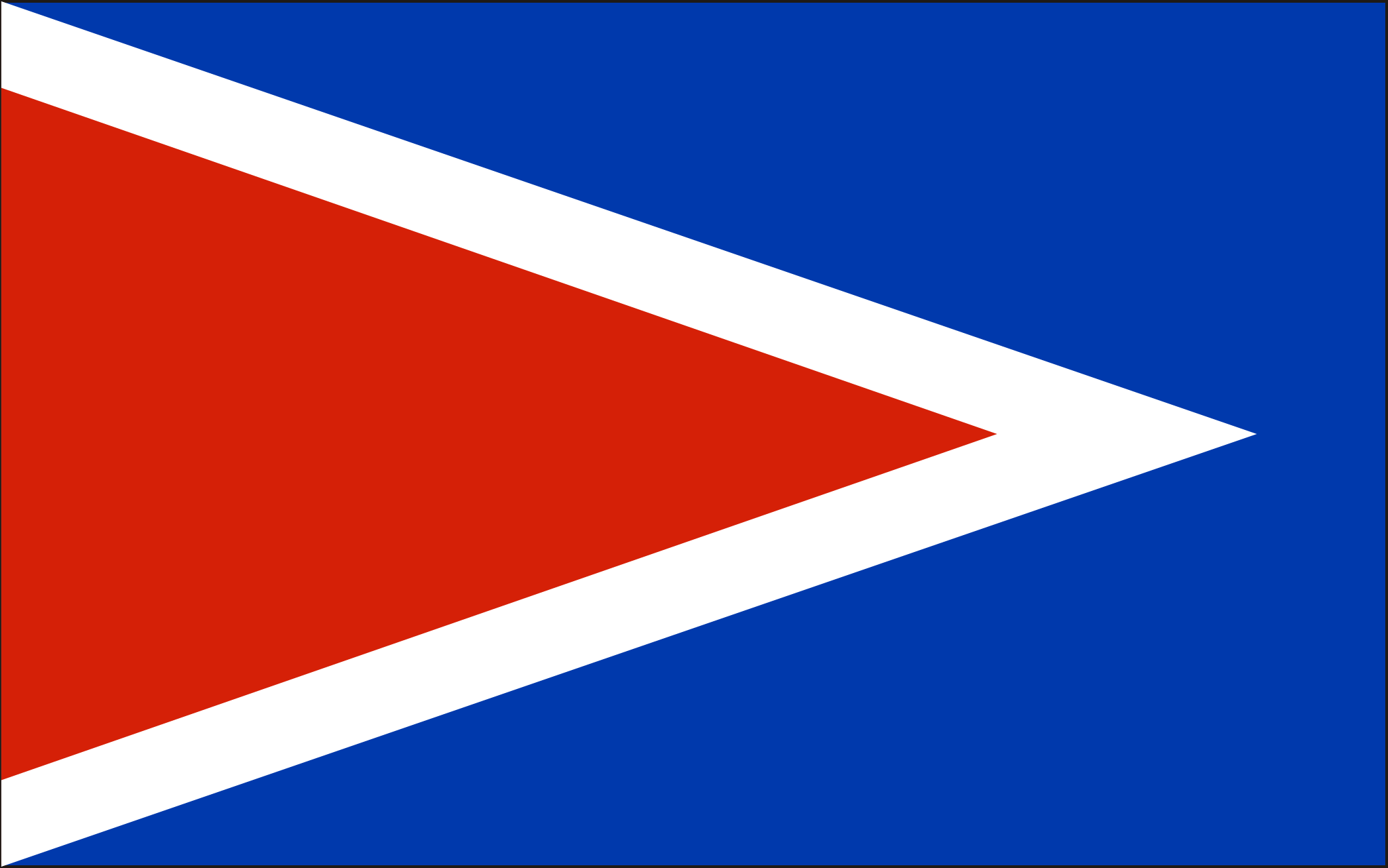
The Flag of Cabo Rojo features a red triangle outlined in white against a blue field, inspired by elements of the municipality's historic coat of arms.
-
Blue represents the Caribbean Sea that borders Cabo Rojo and the loyalty of its people.
Red symbolizes courage, sacrifice, and the determination of the town's early settlers.
White signifies peace, integrity, and unity within the community.
The flag is one of the municipality's most recognizable symbols and is proudly displayed during civic celebrations and local festivals.
Coat of Arms
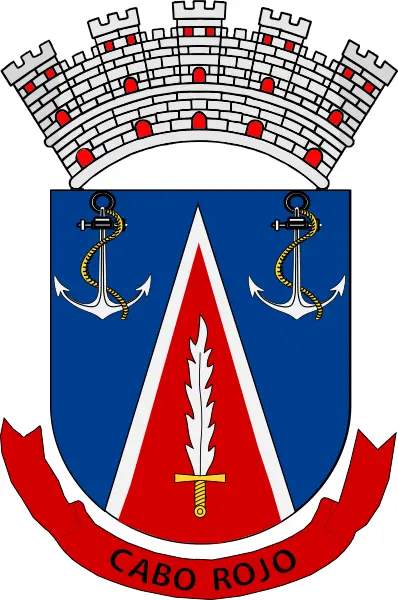
The Coat of Arms of Cabo Rojo is rich in symbolism and reflects the municipality's history and natural environment.
Its principal elements include:
- A red field, representing the origin of the municipality's name, "Red Cape" (Cabo Rojo).
- A golden tower, honoring the town's Spanish colonial heritage and its historical importance.
- Maritime symbols, recognizing Cabo Rojo's close relationship with the Caribbean Sea, fishing traditions, and coastal commerce.
- A mural crown with five towers, identifying Cabo Rojo as an incorporated Puerto Rican municipality.
Together, these symbols celebrate Cabo Rojo's centuries-old history, strategic coastal location, and enduring community spirit.
Anthem
The municipal anthem of Cabo Rojo expresses the deep affection that residents and former residents feel for their hometown. Its lyrics celebrate the municipality's beautiful coastline, cultural traditions, and the emotional bond many Puerto Ricans maintain with Cabo Rojo, even when living far away.
The anthem is frequently performed during Fiestas Patronales, civic ceremonies, and other municipal celebrations, serving as a heartfelt reminder of the pride and love that generations of Caborrojeños have for their community. Its nostalgic message resonates especially with those who have left the town but continue to call Cabo Rojo home.
Hoy Estoy Triste por la Distancia...
Human & Capital Resources
Economy
Cabo Rojo's economy is driven by a combination of tourism, fishing, agriculture, education, and retail commerce. Its beautiful beaches, nature reserves, and historic landmarks attract visitors year-round, making tourism one of the municipality's largest economic engines. Popular destinations such as Boquerón, Combate Beach, Los Morrillos Lighthouse, and the Cabo Rojo Salt Flats support hotels, restaurants, tour operators, and local businesses.
Commercial fishing has long been an important part of the local economy. The fishing villages of Boquerón and Puerto Real supply fresh seafood to restaurants throughout the region and preserve a tradition that has been passed down for generations.
Agriculture also remains an important industry, with farms producing plantains, bananas, vegetables, cattle, and tropical fruits. The municipality's fertile coastal plains continue to support farming while contributing to Puerto Rico's agricultural sector.
Education is another major contributor to the local economy. The University of Puerto Rico at Mayagüez (RUM), located less than 30 minutes away, provides employment opportunities and attracts students and professionals who live in or frequently visit Cabo Rojo.
Retail businesses, healthcare services, and small family-owned enterprises further strengthen the local economy, providing year-round employment and supporting both residents and visitors. Together, these industries help make Cabo Rojo one of Puerto Rico's most vibrant municipalities, balancing economic growth with the preservation of its natural beauty and coastal traditions.
Education
Cabo Rojo offers a strong educational foundation through a mix of public and private schools that serve students from elementary through high school. The municipality is home to several well-established institutions, including vocational and specialized programs that prepare students for higher education and technical careers.
For college students, Cabo Rojo benefits from its close proximity to several universities in western Puerto Rico. Just a short drive away in Mayagüez is the University of Puerto Rico at Mayagüez (RUM), one of the Caribbean's leading public universities and internationally recognized for its programs in engineering, agricultural sciences, business, and the natural sciences. Founded in 1911, the campus enrolls approximately 12,000 students and is considered one of Puerto Rico's premier institutions of higher education.
Students also have access to nearby private universities and technical colleges in Mayagüez and surrounding municipalities, making Cabo Rojo an attractive community for families seeking quality educational opportunities while enjoying the relaxed lifestyle of Puerto Rico's southwest coast.
Demographics *
Population
47,060
Land Area: 70.37 sq mi
Density: 681.8 per sq mi
Median Age: 44.6
Sex: 53% female
Economics **
$10,176
Median household income: $17,261
Puerto Rico: $21,058
Persons below poverty line: 50.9%
Housing, families and educational attainment *
Number of households
16,211
Housing units density:
429.2 (2013)
Persons per household: 2.95
High school grad or higher: 71.5%
Marital status: 39% married
* U.S. Census Bureau 2020 data, unless otherwise noted - Source: Quick Facts Puerto Rico.
** U.S. Census Bureau 2016-2020
Map References
Coordinates: 18.0867° N, 67.1458° W
ZIP Code: 00622, 00623
Driving Distance from San Juan: 112.4 miles
Driving Time: 2 hours, 36 minutes
Frequently Asked Questions
Where is Cabo Rojo located?
Cabo Rojo is located on the southwestern coast of Puerto Rico, about 120 miles (193 km) southwest of San Juan.
What is Cabo Rojo known for?
Cabo Rojo is famous for its stunning beaches, Los Morrillos Lighthouse, Playa Sucia, pink salt flats, wildlife refuge, and spectacular Caribbean sunsets.
What are the best beaches in Cabo Rojo?
Popular beaches include Playa Sucia, Boquerón Beach, Combate Beach, Buye Beach, and Punta Arenas Beach, each offering beautiful scenery and calm Caribbean waters.
Why is Playa Sucia famous?
Despite its name ("Dirty Beach"), Playa Sucia is renowned for its crystal-clear turquoise water, white sand, dramatic cliffs, and breathtaking views of Los Morrillos Lighthouse.
What are the Cabo Rojo Salt Flats?
The Cabo Rojo Salt Flats are one of the oldest salt-producing sites in the Caribbean. Today they are part of a protected wildlife refuge and are known for their colorful evaporation ponds and abundant birdlife.
Can you visit Los Morrillos Lighthouse?
Yes. Visitors can hike to Los Morrillos Lighthouse, explore the surrounding trails, and enjoy panoramic views of the Caribbean Sea and the dramatic limestone cliffs.
Do you need a rental car?
Yes. A rental car is the best way to explore Cabo Rojo's beaches, nature reserves, restaurants, and nearby attractions.
How far is Cabo Rojo from San Juan?
Cabo Rojo is approximately 2½ to 3 hours from San Juan by car, depending on traffic and your route.
Is Cabo Rojo good for families?
Yes. Cabo Rojo offers family-friendly beaches, nature trails, wildlife viewing, boating, and outdoor activities suitable for visitors of all ages.
When is the best time to visit Cabo Rojo?
Cabo Rojo is a year-round destination, but the dry season from December through April offers the most comfortable weather for beach activities, hiking, and sightseeing.
Is the lighthouse free to visit?
Access to the lighthouse trail and viewpoint is free. There is a small parking fee. The lighthouse itself is not open to enter, but the exterior and surrounding cliffs are the real attraction.
Can I swim at Playa Sucia?
Yes, but conditions vary. The water can have strong currents depending on the season and weather. There are no lifeguards. Boquerón Beach is calmer and has lifeguard service on weekends.
Are the salt flats really pink?
The hue varies by time of day, season, and weather — from pale rose to vivid flamingo pink at sunrise and sunset. The color comes from halophilic algae and brine shrimp in the hypersaline water.
What's the best seafood in the area?
Joyuda strip has 20+ restaurants serving fresh catch daily. For the most casual (and authentic) experience, head to Puerto Real's roadside kiosks for fried whole chillo (red snapper.
Continue Exploring Puerto Rico
Mayagüez
Mayagüez is home to museums, historic architecture, shopping, excellent restaurants, and the renowned Mayagüez Zoo.
Explore Puerto Rico's Southwest Coast
If you have extra time, consider following the scenic southwest coastal route through Cabo Rojo, Lajas, Guánica, and Guayanilla.
Plan Your Puerto Rico Itinerary
Find suggested 1-, 3-, 5-, and 7-day itineraries to help build your trip.
Did You Know?
The Reina Mora is found only in Puerto Rico and nearby islands — it is a native Caribbean species.
Get Our Newsletter
Discover new places, local flavors, upcoming events, cultural stories, and some of our favorite finds from around the island.Read the Latest ¡La Isla! Newsletter
Follow Along


