

Travel Health and Safety
Puerto Rico is a popular Caribbean destination where visitors can enjoy a safe and rewarding travel experience by taking sensible precautions. Before your trip, familiarize yourself with local healthcare services, emergency contacts, vaccination recommendations, personal safety considerations, and travel insurance options. A little preparation can help you travel with greater confidence and peace of mind.
Emergency Contacts
For police, fire, or medical emergencies in Puerto Rico, dial 911. Emergency services are available throughout the island, although response times and access to medical facilities may vary in rural or remote areas.
Before traveling, identify nearby hospitals or urgent care facilities, especially if you plan to explore mountainous regions, offshore islands, or less populated destinations.
Health and Medical Facilities
Puerto Rico has an established healthcare system with public and private hospitals, medical clinics, urgent care centers, and pharmacies. Healthcare services are available throughout the island, with a greater concentration of specialized medical facilities in the San Juan metropolitan area and other major cities. Access to specialized treatment may be more limited in rural communities and offshore islands such as Vieques and Culebra.
For medical emergencies, dial 911. Emergency services can coordinate assistance from police, fire, and medical responders. Travelers with chronic health conditions or specific medical needs should identify nearby medical facilities before their trip.
Visitors from the mainland United States should confirm their health insurance coverage before traveling. Although Puerto Rico is a U.S. territory, provider networks, copayments, and out-of-network charges may differ. Original Medicare generally covers eligible services from participating providers in Puerto Rico, while Medicare Advantage coverage depends on the plan.
Travelers should bring sufficient prescription medication for their stay, keep medicines in their original labeled containers, and carry copies of important prescriptions. Pharmacies are widely available in urban areas, although specific medications may not always be immediately available.
For official health information, visit the Puerto Rico Department of Health (Departamento de Salud) or the CDC's Puerto Rico Travel Health page.
COVID-19 and Respiratory Illnesses
Travelers to Puerto Rico should follow current public health recommendations for COVID-19, influenza, and other respiratory illnesses. Stay up to date with recommended vaccinations, practice good hand hygiene, and take precautions when experiencing symptoms or traveling with people at higher risk of serious illness.
Health recommendations and requirements can change. Before traveling, review guidance from the Centers for Disease Control and Prevention (CDC) and the Puerto Rico Department of Health.
Accessibility
Puerto Rico offers accessible hotels, attractions, restaurants, and transportation options for travelers with disabilities. However, accessibility varies by location, particularly in historic districts, mountainous areas, beaches, and older buildings.
Many accommodations provide accessible rooms and facilities, but travelers should confirm specific features before booking, including step-free entrances, elevators, accessible bathrooms, and parking. Wheelchair-accessible transportation may require advance reservations.
Historic areas such as Old San Juan may present challenges because of cobblestone streets, uneven sidewalks, and steep terrain. Visitors should also verify accessibility at beaches, parks, and outdoor attractions, where pathways and facilities vary.
For information call: (787) 721-2800, Ex. 1549.
Medications
Travelers should bring enough prescription medication for their entire stay, along with a small additional supply in case of unexpected delays. Keep medications in their original labeled containers and carry important prescriptions or a medication list, particularly when traveling with specialized treatments or medical equipment.
Pharmacies are available throughout Puerto Rico, including major national chains and locally operated pharmacies. However, specific medications may not always be in stock, and some prescriptions may require authorization from a locally licensed healthcare provider.
If you have a chronic medical condition, consult your healthcare provider before traveling and identify nearby medical facilities at your destination.
Vaccinations
Travelers to Puerto Rico should be up to date on routine vaccinations. Depending on age, medical history, and planned activities, additional vaccines may be recommended. The CDC provides destination-specific guidance, including recommendations for hepatitis A, hepatitis B, and other preventable diseases.
Consult your healthcare provider before traveling, particularly if you have underlying medical conditions or plan an extended stay. For current recommendations, visit the CDC Puerto Rico Travel Health page.
Vital Records
Puerto Rico Department of Health issues certified copies of Puerto Rico birth certificates, death records, marriage licenses, and divorce decrees for events that occurred within Puerto Rico.
For faster service, visit one of the many offices located throughout the island or contact the Puerto Rico Department of Health.
Personal Safety
Puerto Rico is a popular destination for visitors from around the world. As with any travel destination, basic precautions can help reduce the risk of theft, accidents, and other unexpected situations.
Keep valuables secure, avoid leaving belongings unattended at beaches or in parked vehicles, and remain aware of your surroundings in crowded tourist areas. When exploring unfamiliar locations, especially at night, use well-traveled routes and reliable transportation.
If renting a vehicle, drive defensively, follow local traffic laws, and allow additional travel time when visiting mountainous or rural areas. Road conditions and lighting can vary outside major cities.
Visitors should also prepare for Puerto Rico's tropical climate. Stay hydrated, protect yourself from excessive sun exposure, and use insect repellent to reduce the risk of mosquito-borne illnesses, including dengue.
Beach and Outdoor Safety
Puerto Rico's beaches, rainforests, and mountains offer outstanding opportunities for outdoor recreation. Always check local weather conditions, ocean currents, and posted warnings before swimming, hiking, or participating in water activities.
Rip currents and rough surf can be dangerous, particularly along exposed coastlines. Swim at lifeguarded beaches whenever possible, avoid entering the water during hazardous conditions, and never attempt to swim directly against a rip current.
When hiking, carry drinking water, wear appropriate footwear, and remain on designated trails. During hurricane season, monitor official weather advisories and follow local emergency instructions.
Crime
As in other destinations, crime occurs in Puerto Rico, including theft, burglary, and more serious offenses. Visitors can reduce their exposure to common travel-related risks by taking sensible precautions.
Avoid displaying large amounts of cash or expensive valuables, secure personal belongings, and use caution when visiting unfamiliar neighborhoods after dark. Choose reputable transportation services and keep copies of important travel documents in a secure location.
If you become the victim of a crime, contact local police. Dial 911 for emergencies. Report stolen credit cards to your financial institution promptly and contact your accommodation provider for assistance when appropriate.
Travel Insurance
Travel insurance is not generally required for visiting Puerto Rico, but it can provide financial protection when unexpected events affect your trip. Coverage varies significantly by policy and provider.
Trip cancellation and interruption coverage may reimburse certain prepaid, nonrefundable expenses when travel plans change for reasons covered by the policy.
Travel medical coverage may help pay for eligible medical treatment that is not covered by your existing health insurance. Travelers should confirm whether their current insurance provides coverage in Puerto Rico before purchasing additional protection.
Medical evacuation coverage may help with transportation to an appropriate medical facility when medically necessary and covered by the policy, particularly when visiting remote areas or offshore islands.
Before purchasing travel insurance, review coverage limits, exclusions, deductibles, preexisting medical condition provisions, and cancellation requirements. Not all policies cover weather-related disruptions or every type of medical emergency.
Frequently Asked Questions
Is Puerto Rico safe for tourists?
Puerto Rico is a popular travel destination, and many visitors enjoy their trips without serious safety problems. As with any destination, travelers should remain aware of their surroundings, secure valuables, and follow local safety advisories. Pay particular attention to ocean conditions, weather alerts, and unfamiliar areas after dark.
What is the emergency number in Puerto Rico?
Dial 911 for police, fire, or medical emergencies. Puerto Rico uses the same emergency telephone number as the mainland United States.
Are hospitals and medical facilities available in Puerto Rico?
Yes. Puerto Rico has hospitals, medical clinics, emergency departments, and pharmacies throughout the island. Specialized services are more concentrated in larger cities, and access may be limited in remote or offshore areas.
Does U.S. health insurance work in Puerto Rico?
Some U.S. health insurance plans provide coverage in Puerto Rico, but benefits depend on the insurer, provider network, and type of care. Contact your insurance company before traveling to confirm emergency and non-emergency coverage.
Does Medicare cover medical care in Puerto Rico?
Original Medicare generally covers eligible healthcare services in Puerto Rico when provided by participating providers. Medicare Advantage plans may have different provider networks and service-area rules. Check your specific plan before traveling.
Do I need vaccinations to visit Puerto Rico?
Travelers should be up to date on routine vaccinations. The CDC also recommends certain vaccines depending on vaccination history and individual circumstances. Consult your healthcare provider and review current CDC recommendations before traveling.
Can I bring prescription medications to Puerto Rico?
Yes. Travelers should carry enough prescribed medication for their trip, preferably in original labeled containers. Bring copies of prescriptions and confirm availability in advance if you require specialized medication.
Is tap water safe to drink in Puerto Rico?
Municipal tap water is generally treated, but water quality can vary following storms, infrastructure disruptions, or local advisories. Follow any boil-water notices and use bottled or properly treated water when safety is uncertain.
Do I need travel insurance for Puerto Rico?
Travel insurance is not generally required for visitors, but it may provide useful protection against trip cancellations, interruptions, lost belongings, or medical expenses not covered by existing insurance. Review policy exclusions and coverage limits before purchasing.
What health precautions should I take when visiting Puerto Rico?
Stay hydrated, use sunscreen and insect repellent, follow food and water safety guidance, and monitor local weather conditions. When swimming or hiking, observe posted warnings and avoid hazardous conditions.
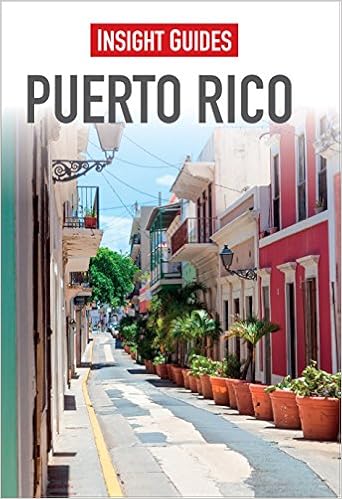
Insight Guides Puerto Rico
(Travel Guide with Free eBook)
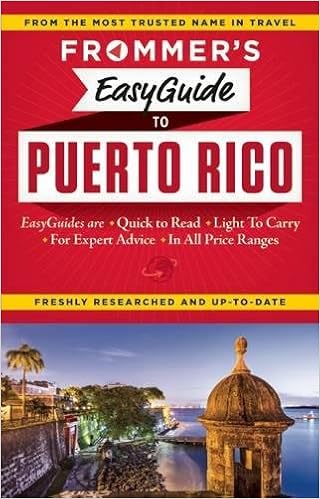
Frommer's EasyGuide to Puerto Rico
(Easy Guides)

Did You Know?
Puerto Rico is the 30th most populated state in the United States.
Get Our Newsletter
Discover new places, local flavors, upcoming events, cultural stories, and some of our favorite finds from around the island.Read the Latest ¡La Isla! Newsletter
Follow Along


