
Flora and Fauna
Puerto Rico's tropical climate and varied ecosystems support an extraordinary diversity of plant and animal life. From lush rainforests and mountain forests to dry coastal landscapes and mangrove wetlands, the island hosts thousands of plant species and a wide range of wildlife.
Although Puerto Rico does not have large land mammals, its ecosystems are rich in birds, reptiles, amphibians, insects, and marine life, many of which are unique to the Caribbean.
Puerto Rico's Flora & Fauna at a Glance
Puerto Rico's varied landscapes support one of the Caribbean's richest collections of plant and animal life, from lush rainforests and dry forests to coral reefs and mangrove wetlands.
| Native plant species | 2,000+ species |
|---|---|
| Bird species | 300+ resident and migratory species |
| National symbol | Coquí Tree Frog |
| Endemic bird | Puerto Rican Parrot |
| Largest protected rainforest | El Yunque National Forest |
| Best wildlife viewing | El Yunque, Guánica, Cabo Rojo, Vieques and Río Abajo |
Experience Puerto Rico's Wildlife
Whether you're interested in colorful birds, tropical forests, marine life, or unique endemic species, Puerto Rico offers unforgettable opportunities to experience nature.
| If you want to... | Visit... |
|---|---|
| See the Puerto Rican Parrot | El Yunque National Forest and Río Abajo State Forest |
| Hear the famous coquí frog | Throughout Puerto Rico, especially after sunset |
| Observe sea turtles | Culebra, Vieques and Mona Island |
| Go birdwatching | Guánica, Cabo Rojo, Maricao and Río Abajo |
| Snorkel among tropical marine life | Culebra, Vieques, La Parguera and Icacos |
| Explore unique dry forest ecosystems | Guánica Dry Forest |
Flora (Plant Life)
Puerto Rico's tropical climate supports an extraordinary diversity of plant life, with more than 2,000 native species growing across the island. From towering rainforest trees and colorful flowering plants to cacti and mangroves, each ecosystem contributes to the island's remarkable biodiversity.
Tropical Trees
Many of Puerto Rico's best-known trees are celebrated for their beauty, cultural importance, and ecological value.
Some of the most recognizable plants include:
- Ceiba (Kapok Tree) - One of Puerto Rico's most iconic trees, known for its massive trunk and historical significance in Caribbean culture
- Flamboyán (Royal Poinciana) - Famous for its brilliant red-orange blossoms that color the island during the summer months
- Breadfruit Tree (Panapen) - A tropical tree introduced centuries ago that produces a nutritious staple fruit
- Coconut Palm - Common along the island's beaches and coastal regions
- Royal Palm – A defining feature of Puerto Rico's countryside and mountain valleys.
Rainforest Vegetation
Puerto Rico's rainforests—especially El Yunque National Forest—support dense vegetation adapted to warm temperatures and abundant rainfall.
Visitors will commonly encounter:
- Tree ferns
- Native orchids
- Mahogany and Tabonuco trees
- Mosses and lichens
- Tropical vines
- Giant ferns carpeting the forest floor
These forests remain green throughout the year and provide habitat for countless birds, reptiles, amphibians, and insects.
Dry Forest Vegetation
In contrast, southwestern Puerto Rico receives far less rainfall. The Guánica Dry Forest has evolved with plants capable of surviving long periods of drought.
Typical vegetation includes:
- Various cactus species
- Thorny shrubs
- Dry grasslands
- Acacia trees
- Succulent plants
- Low-growing hardwoods
Despite appearing harsh, this ecosystem supports an impressive variety of wildlife found nowhere else on the island.
Coastal & Mangrove Plants
Puerto Rico's coastlines are lined with mangrove forests that help stabilize shorelines and protect marine ecosystems.
Common coastal vegetation includes:
- Red mangrove
- Black mangrove
- White mangrove
- Seagrape
- Beach morning glory
- Coconut palms
These habitats serve as important nurseries for fish, crabs, birds, and countless marine species.
Fauna (Wildlife)
Although Puerto Rico has relatively few large native land mammals, its diverse habitats support hundreds of bird species, reptiles, amphibians, marine animals, and countless insects. Many species are found nowhere else in the world, making the island one of the Caribbean's premier wildlife destinations.
Birds
Puerto Rico is home to more than 300 resident and migratory bird species, making it a favorite destination for birdwatchers.
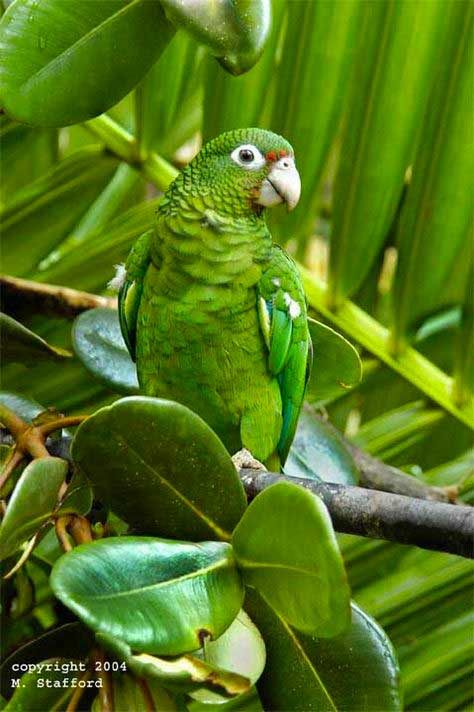
Among the island's most celebrated birds is the Puerto Rican Parrot (Amazona vittata), locally known as cotorra puertorriqueña, one of the world's rarest parrots and an inspiring conservation success story. Once nearly extinct, the species is gradually recovering through captive breeding and habitat restoration programs, particularly within El Yunque National Forest
Other commonly seen birds include:
- Puerto Rican Woodpecker
- Bananaquit
- Green Mango Hummingbird
- Brown Pelican
- Magnificent Frigatebird
- Yellow-shouldered Blackbird
Excellent birdwatching locations include:
- El Yunque National Forest
- Río Abajo State Forest
- Maricao State Forest
- Cabo Rojo National Wildlife Refuge
- Guánica State Forest
Amphibians & Reptiles
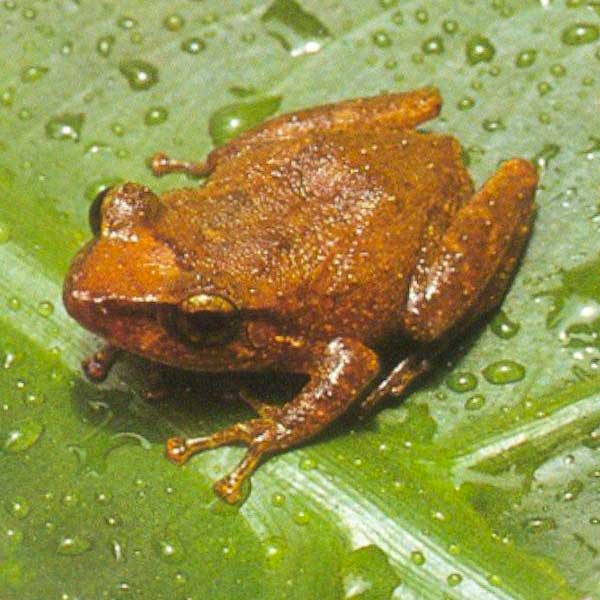
Perhaps no animal represents Puerto Rico more than the coquí, the tiny tree frog famous for its distinctive nighttime call of "co-quí." More than a cultural symbol, the coquí plays an important role in the island's ecosystems by helping control insect populations.
Other reptiles and amphibians include:
- Green Iguanas
- Puerto Rican Crested Anole
- Sea turtles (along coastal beaches)
- Geckos
- Freshwater turtles
- Boa constrictors (non-venomous)
Many of these species can be observed while hiking in forests or visiting coastal nature reserves.
Mammals
Puerto Rico has relatively few native terrestrial mammals. Most are bats, which play a vital role in pollination, seed dispersal, and insect control.
Visitors may encounter:
- Fruit bats
- Nectar bats
- Insect-eating bats
- Small introduced mongoose
- Wild horses on Vieques (introduced)
Although not native, the small Indian mongoose has become a familiar sight in many parts of the island.
Marine Life
Puerto Rico's surrounding Caribbean waters support one of the region's richest marine ecosystems.
Visitors snorkeling or diving may encounter:
- Green and Hawksbill Sea Turtles
- Manatees
- Bottlenose Dolphins
- Reef Sharks
- Colorful tropical reef fish
- Lobsters
- Octopus
- Stingrays
- Coral reefs
- Sea fans and sponges
Protected marine reserves such as La Parguera, Culebra, Vieques, and Mona Island offer some of the island's best opportunities to experience this underwater world.
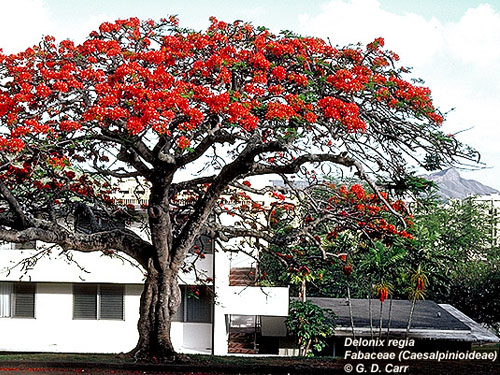
Poinciana
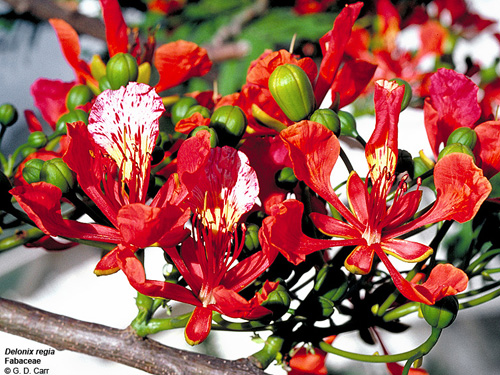
Poinciana
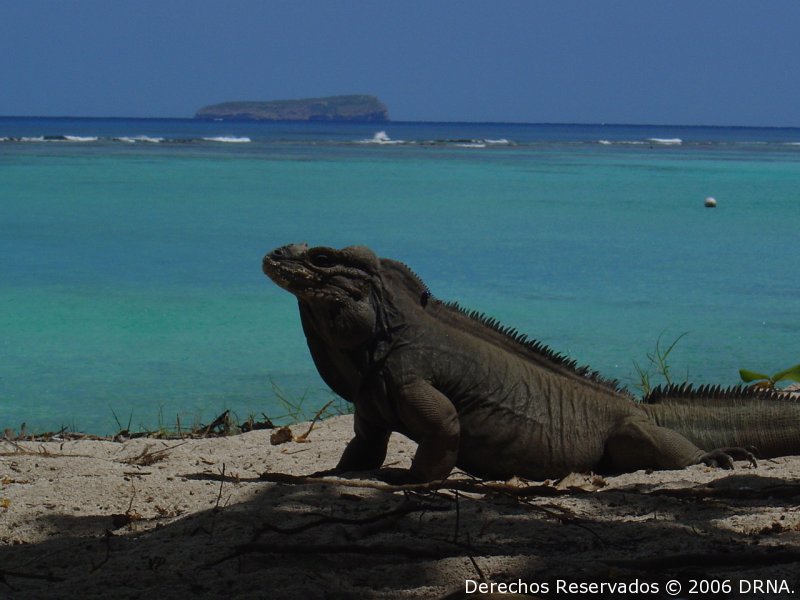
Iguana
Why Puerto Rico's Wildlife is Special
Puerto Rico's wildlife reflects the island's remarkable range of ecosystems. Within a relatively small area, visitors can experience tropical rainforests, dry forests, mangroves, coastal lagoons, coral reefs, and mountain cloud forests—each supporting its own unique collection of plants and animals.
The island is home to hundreds of bird species, countless native plants, and several endemic animals found nowhere else in the world, including the beloved coquí and the endangered Puerto Rican parrot. Together, they make Puerto Rico one of the Caribbean's richest destinations for nature lovers.
Whether hiking through El Yunque, snorkeling over coral reefs, or listening to the evening chorus of coquí frogs, experiencing Puerto Rico's flora and fauna offers a deeper appreciation for the island's natural heritage.
My Favorite Wildlife Experiences
Growing up in Puerto Rico, the sound of the coquí at night became so familiar that I rarely stopped to appreciate it. Today, after living away from the island, it's one of the first sounds I notice whenever I return.
Watching colorful birds fly through El Yunque, spotting iguanas basking along the coast, or snorkeling beside sea turtles reminds me that Puerto Rico's wildlife is one of its greatest treasures. These moments help visitors experience the island beyond its beaches and cities.
Local Tips
Visit early
Birds and wildlife are most active shortly after sunrise.
Bring binoculars
Ideal for birdwatching.
Respect wildlife
Never feed or touch animals.
Stay on trails
Protect fragile habitats.
Wear insect repellent
Especially in forests and wetlands.
Don't collect plants
Many native species are protected.
Keep your distance
Sea turtles, manatees and birds need space.
Bring a camera
Telephoto lenses work best.
Did You Know?
Barranquitas is the only municipality in Puerto Rico that is the birthplace of both Luis Muñoz Rivera and Luis Muñoz Marín—father and son—two of the most influential political leaders in Puerto Rican history. Their ideas helped shape the island's government, economy, and identity for generations.
Get Our Newsletter
Discover new places, local flavors, upcoming events, cultural stories, and some of our favorite finds from around the island.Read the Latest ¡La Isla! Newsletter
Follow Along


