
History of San Juan
Five Centuries of History
The history of San Juan begins long before its official founding. In 1493, during his second voyage, Christopher Columbus landed on the island and named it San Juan Bautista in honor of Saint John the Baptist. It was not until 1508 that the Spanish Crown appointed Juan Ponce de León as the island's first governor. He established the original settlement at Caparra, now known as Pueblo Viejo, just west of present-day San Juan. The location, however, proved unsuitable.
The city quickly became Spain's most important military outpost in the Caribbean. By 1509, the settlement was relocated to a nearby coastal islet—what is now known as Old San Juan—and renamed Puerto Rico, meaning "Rich Port." Sometime during the 1520s, confusion between the names led to a reversal: the island became Puerto Rico, and the city took the name San Juan.
Years of history
UNESCO sites
Metro population
Annual visitors
A Strategic Colonial Stronghold
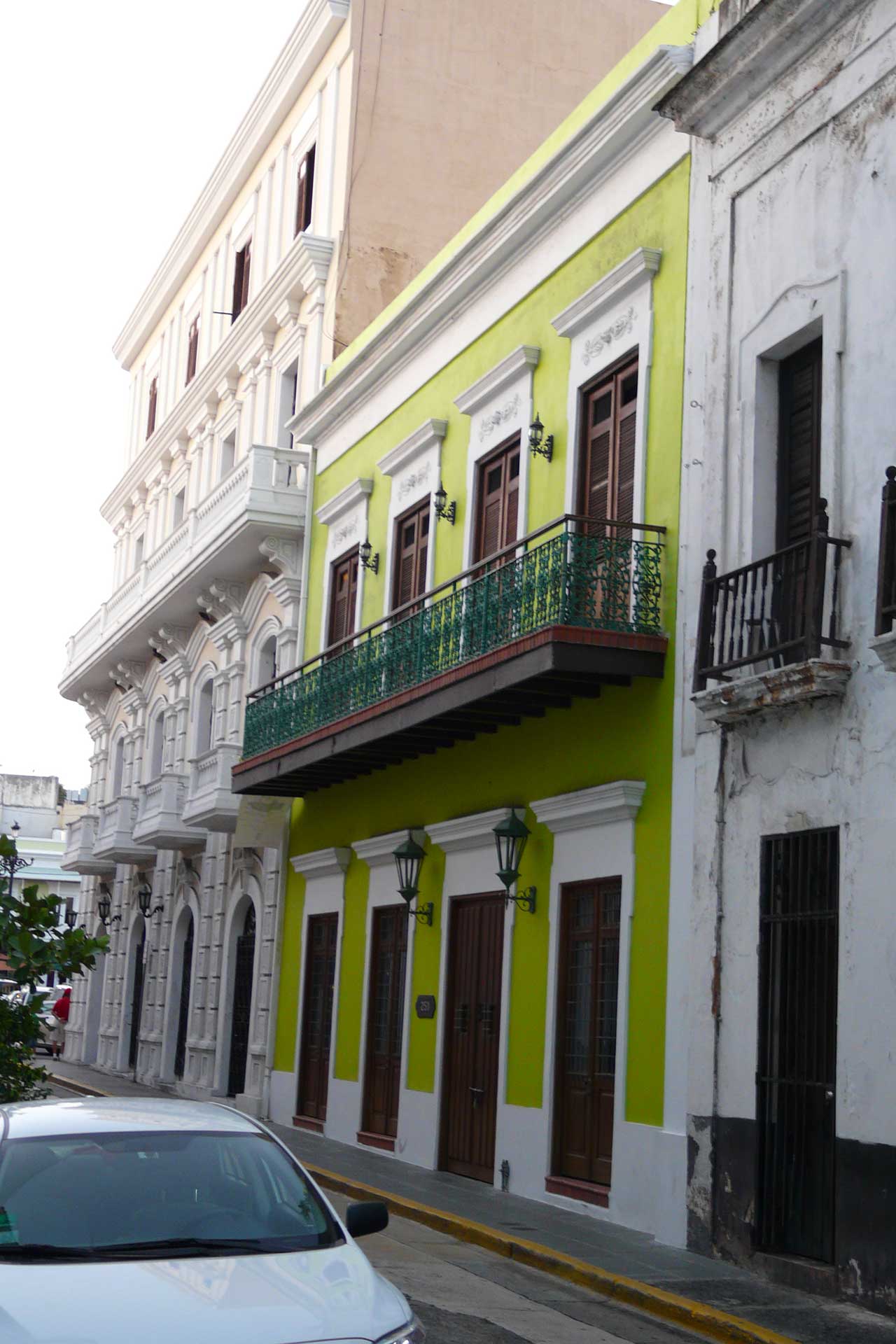
From its earliest days, San Juan became one of Spain's most important military outposts in the Caribbean. Its strategic location and natural harbor made it a key point for exploration and defense in the New World.
During the 16th century, San Juan served as a launching point for Spanish expeditions seeking to explore and settle new territories. The city's formidable fortifications, including El Morro and San Cristóbal, helped defend it from repeated attacks, including an attempted invasion by English forces led by Sir Francis Drake in 1595.
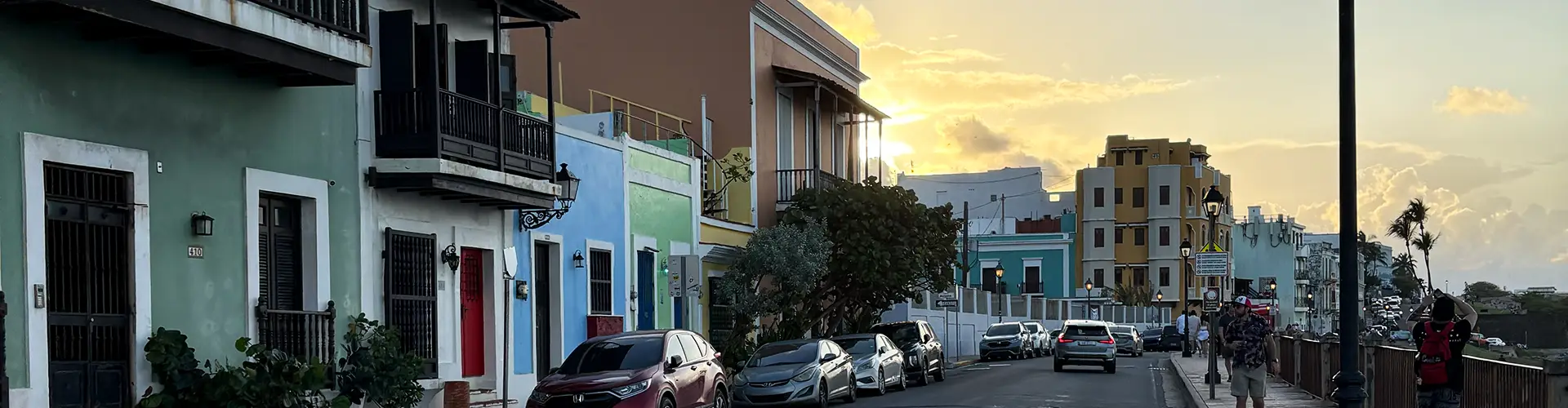
Today, San Juan is known as La Ciudad Amurallada (the Walled City) home to one of the finest natural harbors in the Caribbean and recognized as the second-oldest European-founded city in the Americas, after Santo Domingo which was officially founded on August 5, 1498.
Growth Beyond the Walls
For centuries, life in San Juan was contained within the protective walls of Old San Juan. By the 20th century, however, the city began expanding outward, evolving into a modern metropolitan area.
Neighborhoods such as Santurce, Condado, Miramar, Hato Rey, and Río Piedras became integral parts of the city's growth. Río Piedras, originally founded in 1714, was incorporated into San Juan in 1951 and remains an important cultural and educational center.
Today, the San Juan metropolitan area is made up of three main zones:
- Old San Juan (historic district)
- Beach and resort areas
- Outlying communities including Santurce, Hato Rey, and Río Piedras
A Modern Economic & Cultural Hub
San Juan has grown into Puerto Rico's economic and financial capital. The city is home to major industries including pharmaceuticals, manufacturing, and food production, while its port remains one of the busiest in the Caribbean.
As a center of commerce, culture, and transportation, San Juan continues to play a vital role in Caribbean shipping and international business, with many U.S. companies maintaining a presence on the island. San Juan is the 2nd largest sea port in the area (after New York City).
Then and Now
From its origins as a Spanish colonial outpost to its present-day identity as a vibrant, modern city, San Juan has preserved its rich history while continuing to evolve. Its cobblestone streets, centuries-old forts, and dynamic neighborhoods tell the story of a city shaped by exploration, resilience, and cultural fusion.
Moments in History
Christopher Columbus arrives on his second voyage, calling the island San Juan Bautista.
Juan Ponce de León establishes the first European settlement at Caparra, near modern San Juan.
The settlement moves to its present island location and is named Puerto Rico. The island and city names are eventually swapped.
Castillo San Felipe del Morro and the city walls are constructed, making San Juan one of the most fortified cities in the Caribbean.
Dutch forces under Boudewijn Hendricksz briefly occupy and burn much of the city before being repelled.
U.S. forces occupy San Juan during the Spanish-American War. Puerto Rico becomes a U.S. territory.
Operation Bootstrap industrializes Puerto Rico. San Juan modernizes rapidly — Condado and Isla Verde emerge as tourist destinations.
Old San Juan's fortifications are designated a UNESCO World Heritage Site.
San Juan is a major Caribbean hub for tourism, finance, and culture — balancing a living colonial heritage with a dynamic modern identity.
Did You Know?
Jones Act is a federal law requiring that goods shipped between U.S. ports are transported on ships built, owned, and operated by U.S. citizens or permanent residents.
Get Our Newsletter
Discover new places, local flavors, upcoming events, cultural stories, and some of our favorite finds from around the island.Read the Latest ¡La Isla! Newsletter
Follow Along


