
Guayama, Puerto Rico
(gwah-YAH-mah)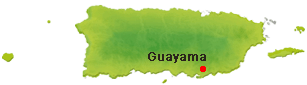
The Witch City of Puerto Rico
Located along Puerto Rico's picturesque southeastern coast, Guayama is a destination where history, culture, and Caribbean beauty come together. Known as "La Ciudad Bruja" (witch city) or "Pueblo de los Brujos" (city of witches). Guayama charms visitors with its elegant Spanish Colonial architecture, colorful plazas, fascinating museums, scenic coastline, and vibrant cultural traditions.
Overview
Why Visit Guayama?
Guayama offers a wonderful blend of history, architecture, coastal scenery, and local culture that makes it one of Puerto Rico's most rewarding destinations to explore. Wander through one of the island's best-preserved historic downtowns, tour the beautifully restored Casa Cautiño Museum, enjoy fresh seafood along the Caribbean coast, or discover the natural beauty of nearby beaches and nature reserves. With its relaxed atmosphere, colorful festivals, and fascinating folklore, Guayama provides an experience that feels both authentic and distinctly Puerto Rican.
Why Is Guayama Called "The Witch City"?
For generations, Guayama has been affectionately known as La Ciudad Bruja ("The Witch City"). While several legends attempt to explain the nickname, the most popular stories trace it to local folklore, mysterious tales, and the colorful personalities that once lived in the area. Today, the nickname is embraced with pride and has become one of Guayama's most recognizable cultural symbols, adding a touch of mystery and charm to the city's identity.
Why Visit Guayama?
Guayama is one of Puerto Rico's hidden gems, offering a captivating blend of history, architecture, nature, and authentic local culture. Stroll through one of the island's most elegant historic districts, where colorful Spanish Colonial buildings surround a picturesque central plaza, then step inside Casa Cautiño to experience the grandeur of a 19th-century sugar plantation home. Beyond its rich heritage, Guayama invites visitors to enjoy scenic Caribbean beaches, nature reserves, vibrant festivals, and excellent local cuisine.
Top Things to Do in Guayama
Plaza Cristóbal Colón
The heart of Guayama, Plaza Cristóbal Colón is surrounded by beautifully preserved Spanish Colonial architecture, colorful buildings, local cafés, and the historic City Hall. Shaded by mature trees and anchored by an elegant fountain, the plaza serves as the city's gathering place for festivals, concerts, and community events, making it an ideal starting point for exploring Guayama.
Casa Cautiño Museum
One of Puerto Rico's finest preserved plantation homes, Casa Cautiño offers a fascinating glimpse into the island's prosperous sugar era. Built in 1887, the beautifully restored creole-style mansion features original furnishings, artwork, and architectural details that showcase the lifestyle of one of Guayama's most influential families. Today, it operates as a museum celebrating the municipality's cultural and historical heritage.
Iglesia San Antonio de Padua
Dominating the town square, the Church of San Antonio de Padua has served as Guayama's spiritual and architectural centerpiece for generations. Its elegant neoclassical design, twin bell towers, and beautifully maintained interior reflect the city's rich religious traditions and centuries of history.
Guayama Historic District
Listed on the National Register of Historic Places, Guayama's historic downtown is one of Puerto Rico's best-preserved urban centers. Walking its streets reveals grand residences, restored civic buildings, charming storefronts, and architectural styles that reflect the city's prosperity during the 19th and early 20th centuries.
Punta Pozuelo Nature Reserve
Located along Guayama's Caribbean shoreline, Punta Pozuelo Nature Reserve protects coastal wetlands, mangroves, and important wildlife habitats. Visitors can enjoy peaceful walks, birdwatching, kayaking, and scenic waterfront views while experiencing one of southeastern Puerto Rico's lesser-known natural treasures.
Pozuelo Beach
A favorite among locals, Pozuelo Beach offers calm Caribbean waters, gentle breezes, and a relaxed atmosphere perfect for swimming, picnicking, and enjoying the coastline. Its tranquil setting makes it an excellent escape for visitors looking to experience Puerto Rico away from the larger tourist crowds.
Aguirre Historic District
Just outside downtown Guayama, the Aguirre Historic District preserves one of Puerto Rico's most significant company towns from the island's sugar industry. Visitors can explore historic buildings, admire early 20th-century architecture, and learn about the community that once revolved around the Aguirre Sugar Mill, one of the Caribbean's largest sugar operations.
Bosque Estatal de Carite (Nearby)
Less than an hour from Guayama, Carite State Forest a 6,000-acre nature reserve is inhabited by 50 species of birds, making this spot a recognized area for birding. It offers a refreshing contrast to the municipality's coastal landscape. Towering forests, scenic mountain roads, waterfalls, hiking trails, and cool temperatures make it a popular destination for outdoor enthusiasts exploring Puerto Rico's Central Mountain Region. The reserve with a dwarf forest that was produced by the region's high humidity and moist soil. The highest point is Cerro La Santa, at 3,000 feet. From several peaks there are panoramic views of Ponce and the Caribbean Sea. There is a picnic area and 10 campgrounds (permit is necessary for camping). Located at Rt. 184.
Jobos Bay National Estuarine Research Reserve
Established in 1987, the Jobos Bay National Estuarine Research Reserve spans approximately 2,883 acres along the coast between Guayama and Salinas. One of Puerto Rico's most important protected coastal ecosystems, the reserve encompasses extensive mangrove forests, freshwater wetlands, lagoons, mudflats, seagrass beds, and coral reefs that support a remarkable diversity of wildlife.
The reserve is divided into two primary areas: the Mar Negro Mangrove Forest, a network of mangroves, lagoons, tidal channels, and salt flats, and the Cayos Caribe Islets, where coral reefs, seagrass meadows, small sandy beaches, and coastal habitats provide refuge for marine life and migratory birds. Visitors can enjoy nature observation, birdwatching, kayaking, and environmental education programs. Guided tours are available by reservation.
Aguirre State Forest
Aguirre State Forest forms part of the larger Jobos Bay ecosystem, The forest protects one of Puerto Rico's largest and most important mangrove ecosystems. Covering more than 6,000 acres of coastal wetlands, the forest is home to extensive red, black, white, and buttonwood mangroves, tidal flats, lagoons, salt marshes, and seagrass habitats that support an extraordinary diversity of wildlife.
The forest is internationally recognized for its ecological importance and is one of the island's premier destinations for birdwatching, with herons, egrets, pelicans, ospreys, and migratory shorebirds frequently seen throughout the year. Its protected waters also provide habitat for one of Puerto Rico's largest populations of West Indian manatees, along with sea turtles, fish, and countless marine species. Visitors can enjoy scenic boardwalks, kayaking, wildlife observation, photography, and environmental education while experiencing one of the Caribbean's most valuable coastal ecosystems.
Note: Although often associated with Guayama, Aguirre State Forest forms part of a larger protected coastal ecosystem that includes the Jobos Bay National Estuarine Research Reserve, creating one of Puerto Rico's most significant areas for wetland conservation, marine research, and wildlife protection.
Plan your Visit
Located along Puerto Rico's beautiful southern coast, Guayama is best explored by car, allowing you to easily combine the historic downtown with nearby coastal attractions, nature reserves, and neighboring towns.
Getting There
By Air
Luis Muñoz Marín International Airport (SJU) in San Juan is approximately 1 hour from Guayama via PR-52.
Mercedita International Airport (PSE) in Ponce is about 45 minutes away and offers another convenient option for travelers exploring Puerto Rico's southern region.
By Sea
While Guayama is not a cruise port, nearby marinas and boat ramps provide access to the Caribbean Sea for recreational boating, fishing, kayaking, and eco-tours around Jobos Bay.
By Car
Driving is the easiest way to experience everything Guayama has to offer. PR-52 connects the municipality directly with San Juan, Caguas, and Ponce, making Guayama an excellent stop on a southern Puerto Rico road trip.
Getting Around
Rental Car
A rental car is highly recommended. Many of Guayama's attractions—including Jobos Bay, Aguirre, Pozuelo Beach, and Bosque Estatal de Aguirre—are spread throughout the municipality.
Taxis & Rideshare
Limited taxi and rideshare services may be available, but they are not as common as in the San Juan metropolitan area.
Walking
Guayama's historic center is very walkable. Visitors can comfortably explore Plaza Cristóbal Colón, Casa Cautiño Museum, local cafés, restaurants, and historic buildings on foot.
Nature & Resources
Geography
Guayama occupies approximately 65 square miles (168 km²) along Puerto Rico's southern coast within the Caribbean Coastal Plains. The municipality is bordered by Salinas to the west, Arroyo and Patillas to the east, and Cayey in the central mountain region to the north. This diverse geography creates an interesting landscape where fertile valleys, rolling foothills, coastal wetlands, and mangrove forests meet the Caribbean Sea.
Several rivers, including the Río Guamaní, Río Seco, and Río de la Plata, flow through portions of the municipality before reaching the coast. These waterways have played an important role in Guayama's agricultural development and continue to support valuable ecosystems.
Along the shoreline, visitors will find salt marshes, estuaries, mangrove forests, and the protected habitats of the Jobos Bay National Estuarine Research Reserve, one of Puerto Rico's most important ecological treasures.
Neighborhoods & Barrios
Guayama is divided into 10 barrios (PDF) , each contributing to the municipality's unique identity. While Pueblo serves as the historic and commercial center, other barrios range from quiet residential communities and agricultural lands to coastal neighborhoods bordering Jobos Bay and the Caribbean Sea.
- Algarrobo
- Caimito
- Carite
- Carmen
- Guamaní
- Jobos
- Machete
- Palmas
- Pozo Hondo
- Pueblo
Climate
Guayama enjoys a warm tropical climate throughout the year, with average temperatures ranging between 76°F and 90°F (24°C–32°C). Thanks to its location on Puerto Rico's southern coast, the municipality generally receives less rainfall than many northern destinations, resulting in more sunny days for outdoor activities. The annual precipitation is approximately 52 inches.
The driest months typically occur between January and April, while the rainy season peaks from August through November.
10 Day Forecast from weather.com
Where to Stay
- Gran Hotel
- Casa Pura Bed & Breakfast
Vacation rentals are popular with families, groups, and travelers planning extended beach vacations.
Local Flavors & Festivities
Where to Eat
- El Sabor de Mi Tierra
- Del K'mpo al Pueblo
- El Arcoiris Restaurante
- Restaurante El Patio
- El Arcoiris Restaurante
- Casa Pura Restaurant
- La Vida
- Tazza D'Oro Caffè
- Pandora Gastrobar
Festivals and Events
Displaying 9 results.
-
Carnaval Brujo
- April
Unique annual carnival inspired by Guayama's Afro-Caribbean folklore and legends of the "Brujos," featuring colorful costumes, music, parades, traditional food, and cultural performances.
-
Clásico Ciclismo San Antonio de Padua
- June
Annual cycling race held during the patron saint festivities, attracting competitive cyclists from across Puerto Rico.
-
Feria Artesanal
- August
Annual artisan fair featuring handcrafted goods, local artists, demonstrations, live music, and Puerto Rican cuisine.
-
Feria Dulce Sueno
- March
One of Puerto Rico's premier Paso Fino horse fairs, showcasing elite horses, equestrian competitions, exhibitions, artisan vendors, live music, and family activities.
-
Feria y Exposicion de Caballos de Paso Fino
- March
Annual exhibition celebrating Puerto Rico's renowned Paso Fino horses with competitions, breeders, demonstrations, and equestrian events.
-
Festival de Bomba y Arte
- January
Cultural festival celebrating Bomba music, dance, visual arts, and Puerto Rican traditions with performances, workshops, and artisan exhibits.
-
Festival Jibaro
- October
Celebration of Puerto Rico's jíbaro heritage featuring traditional music, folkloric dance, crafts, agricultural exhibits, and authentic island cuisine.
-
Fiestas Patronales de San Antonio de Padua
- June
Guayama's patron saint festival honoring San Antonio de Padua with religious processions, carnival rides, live music, artisan kiosks, traditional Puerto Rican food, and family entertainment.
-
Semana Puertorriquena
- December
Week-long celebration of Puerto Rican culture with music, artisan fairs, folkloric performances, local cuisine, and community activities throughout Guayama.
History
Founded in 1736, by Matías de Abadía. Guayama became one of Puerto Rico's most prosperous municipalities during the sugar industry boom of the 19th century.
Its wealth is still reflected today in its elegant architecture and historic homes.
The city's nickname, "La Ciudad Bruja" (The City of Witches), has inspired local legends for generations. While several stories attempt to explain the name, no single origin has ever been confirmed, adding to Guayama's unique character and folklore.
Today, Guayama balances historic preservation with modern development while maintaining its strong cultural identity.
Moments in History
Official founding of Guayama.
Sugar production transforms the local economy.
Casa Cautiño is completed.
Aguirre Sugar Company becomes one of Puerto Rico's largest sugar operations.
Growth in manufacturing, renewable energy, and tourism complements the municipality's agricultural heritage.
Notable People
Guayama has produced artists, athletes, educators, military leaders, and public figures whose contributions have shaped Puerto Rico's history and culture.
Famous Guayameses
Luis Palés Matos
1898–1959
Poetry • Literature
One of Puerto Rico's greatest poets, Luis Palés Matos pioneered Afro-Antillean poetry by celebrating the island's African heritage through rhythm, music, and language. His groundbreaking work helped shape modern Puerto Rican literature and continues to be studied throughout Latin America.
Leopoldo Santiago Lavandero
Military • Public Service
A respected military officer and civic leader from Guayama, Leopoldo Santiago Lavandero devoted much of his career to public service. His contributions reflect Guayama's long tradition of producing leaders committed to serving both Puerto Rico and the United States.
Ernie López
1945–2021
Professional Boxing
One of Puerto Rico's accomplished professional boxers, Ernie López competed internationally during the 1970s. His determination and success inside the ring helped inspire future generations of Puerto Rican athletes and boxing fans.
City Symbols

Flag
The municipal flag features colors inspired by Guayama's coat of arms and reflects the municipality's Spanish heritage, civic pride, and historical legacy. It serves as an important symbol displayed during official ceremonies and community celebrations.
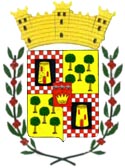
Coat of Arms
Guayama's coat of arms reflects centuries of history through symbols representing its Spanish colonial origins, Catholic heritage, agricultural traditions, and municipal identity. Together, these elements honor the people, culture, and historical development that have shaped Guayama since its founding in 1736.
Anthem
Lyrics by: Elías Lopés García
Guayama's official anthem celebrates the municipality's rich history, cultural heritage, and the pride of its residents. The song highlights Guayama's nickname, "La Ciudad Bruja del Guamaní," while honoring the artists, poets, musicians, and community leaders who have shaped the municipality's identity over the years.
The anthem also pays tribute to several distinguished Guayameses, including poet Luis Palés Matos, composer Simón Madera, salsa legend Catalino "Tite" Curet Alonso, and other notable figures whose contributions have left a lasting mark on Puerto Rican culture. It concludes by proudly proclaiming Guayama as the "Ciudad Bruja del Guamaní," a nickname embraced by generations of residents.
Nickname
La Ciudad Bruja (The City of Witches)
Guayama's famous nickname has fascinated visitors for generations. While historians have proposed several explanations, the true origin remains uncertain. The stories range from local folklore and political satire to tales of mysterious women said to possess healing knowledge. Today, the nickname has become a beloved symbol of the municipality's unique identity and rich traditions.
Patron Saint
San Antonio de Padua
The municipality honors Saint Anthony of Padua as its patron saint. Every June, Guayama celebrates the Fiestas Patronales de San Antonio de Padua, featuring live music, religious processions, artisan markets, carnival rides, and traditional Puerto Rican cuisine.
Human & Capital Resources
Economy
Guayama's economy has evolved significantly since its early days as one of Puerto Rico's leading sugar-producing municipalities. While agriculture remains an important part of the region, today's economy is supported by a diverse mix of manufacturing, renewable energy, healthcare, government services, retail, tourism, and agriculture.
The municipality continues to benefit from its strategic location along Puerto Rico's southern transportation corridor. Industrial parks, pharmaceutical manufacturing, and nearby energy facilities provide employment opportunities, while tourism contributes to the local economy through attractions such as Casa Cautiño Museum, Jobos Bay National Estuarine Research Reserve, Aguirre Historic District, and Guayama's beautifully preserved historic downtown.
Agriculture still plays a meaningful role, with local farms producing vegetables, fruits, livestock, and other crops that support both the regional economy and Puerto Rico's agricultural sector.
Education
Guayama offers a strong educational network through public and private schools serving students from elementary through high school. The municipality also provides access to vocational education and technical training programs that prepare students for careers in healthcare, technology, skilled trades, and business.
Higher education opportunities include campuses of the Inter American University of Puerto Rico and the University of Puerto Rico at Guayama, which serve students from across southeastern Puerto Rico. These institutions contribute to the municipality's economy, workforce development, and cultural life through academic programs, research, and community engagement.
Demographics *
Population
36,614
Land Area: 64.99 sq mi
Density: 618.1 per sq mi
Median Age: 39.6
Sex: 50% female
Economics **
$10,385
Median household income: $17,319
Puerto Rico: $21,058
Persons below poverty line: 49.4%
Housing, families and educational attainment *
Number of households
14,215
Housing units density:
303.3 (2013)
Persons per household: 2.65
High school grad or higher: 77.2%
Marital status: 34% married
* U.S. Census Bureau 2020 data, unless otherwise noted - Source: Quick Facts Puerto Rico.
** U.S. Census Bureau 2016-2020
Map References
Coordinates: 17.9742° N, 66.1100° W
ZIP Code: 00704, 00784, 00785
Driving Distance from San Juan: 52 miles
Driving Time: 1 hour, 19 minutes
Frequently Asked Questions
Why is Guayama called "The City of Witches"?
The nickname "La Ciudad Bruja" comes from local folklore and legends that have been passed down for generations. While several explanations exist, no single origin has been historically confirmed.
Is Guayama worth visiting?
Absolutely. Guayama offers one of Puerto Rico's best combinations of history, architecture, coastal scenery, and authentic local culture without large tourist crowds.
What is Guayama famous for?
Guayama is best known for Casa Cautiño Museum, its beautifully preserved historic district, Jobos Bay, and its nickname "The City of Witches."
How far is Guayama from San Juan?
Guayama is approximately 55 miles south of San Juan, about a one-hour drive via PR-52.
Are there beaches in Guayama?
Yes. Pozuelo Beach and nearby coastal areas offer scenic Caribbean views and opportunities for swimming, fishing, and relaxing by the water.
What is the best time to visit Guayama?
December through April generally provides the most pleasant weather, though Guayama is enjoyable year-round.
Continue Exploring Puerto Rico
Cayey
Located in Puerto Rico's central mountains, Cayey is famous for cool temperatures, panoramic mountain views, and the island's legendary lechón restaurants along Guavate.
Salinas
Known as Puerto Rico's "Mojito Capital," Salinas is famous for waterfront seafood restaurants, marinas, and fresh local cuisine just 15 minutes west of Guayama.
Plan Your Puerto Rico Itinerary
Find suggested 1-, 3-, 5-, and 7-day itineraries to help build your trip.
Did You Know?
The widest part of the island is 65 kilometers.
Get Our Newsletter
Discover new places, local flavors, upcoming events, cultural stories, and some of our favorite finds from around the island.Read the Latest ¡La Isla! Newsletter
Follow Along


