
Salinas, Puerto Rico
(sah-LEE-nahs)
Salinas is known as "La Cuna del Mojito Isleño" (the cradle of the islander dip), Salinas is a vibrant coastal municipality on Puerto Rico's southern shore where fresh seafood, maritime traditions, and protected natural ecosystems come together. Founded in 1841 by Agustín Colón Pacheco, the town is home to the renowned Jobos Bay National Estuarine Research Reserve, the Albergue Olímpico, historic Aguirre, and one of the island's most popular waterfront dining destinations.
Overview
Why Visit Salinas?
Salinas is where Puerto Rico's southern coast comes alive through fresh seafood, scenic mangrove estuaries, Olympic sports facilities, and authentic coastal culture. Whether you're enjoying world-famous mojito isleño, kayaking through protected wetlands, or dining at waterfront seafood restaurants, Salinas offers experiences unlike anywhere else on the island. Its combination of nature, gastronomy, and maritime traditions makes it one of Puerto Rico's premier coastal destinations.
Top Things to Do in Salinas
Jobos Bay National Estuarine Research Reserve
Established in 1987, The Jobos Bay National Estuarine Research Reserve has become one of the Caribbean's most important coastal ecosystems, protecting more than 2,883 acres of mangrove forests, seagrass beds, coral reefs, mudflats, and coastal lagoons. The two main components: Mar Negro mangrove forest, which consists of a mangrove forest and a complex system of lagoons and channels interspersed with salt and mud flats; and Cayos Caribe Islets, which are surrounded by coral reefs and seagrass beds, with small beach deposits and upland areas. Open Daily: 8:00am-4:00pm, (787) 864-0105. Guided tours are offered upon request and reservation. Visitors can enjoy kayaking, birdwatching, photography, and guided eco-tours through this internationally recognized natural reserve.
Aguirre Historic District
A beautifully preserved former sugar company town showcasing early twentieth-century architecture, historic homes, industrial buildings, and the rich history of Puerto Rico's sugar industry. Walking through Aguirre offers a glimpse into one of the island's most significant company towns.
Albergue Olímpico Germán Rieckehoff
Puerto Rico's Olympic Training Center features world-class sports facilities, museums, botanical gardens, swimming pools, family attractions, and recreational areas. It welcomes both elite athletes and visitors looking for a fun day of activities.
Paseo Ladí & Marina de Salinas
The heart of Salinas' waterfront, lined with seafood restaurants, fishing boats, marinas, and beautiful views of the Caribbean Sea. It's one of Puerto Rico's best places to enjoy fresh seafood while watching boats return from the day's catch.
Aguirre State Forest
This protected coastal forest surrounds Jobos Bay and features mangrove ecosystems, dry forest vegetation, hiking opportunities, and excellent birdwatching. The forest plays an important role in protecting the bay's fragile estuarine environment.
Monumento al Pescador
A monument honoring the generations of fishermen whose hard work helped build Salinas' reputation as one of Puerto Rico's premier fishing and seafood communities.
Playa Salinas
A quiet Caribbean beach popular with local families for swimming, picnicking, and enjoying calm waters. The nearby marina and waterfront restaurants make it an ideal stop while exploring the municipality.
Centro Interpretativo de Jobos Bay
Learn about the ecology, wildlife, mangrove forests, and conservation efforts that protect one of Puerto Rico's most valuable estuarine ecosystems through exhibits and educational programs.
Puerto Rico's Seafood Capital
Salinas has earned a reputation as one of Puerto Rico's premier seafood destinations. Along the waterfront at Paseo Ladí, visitors will find dozens of restaurants serving freshly caught fish, lobster, shrimp, octopus, conch, and one of the municipality's signature dishes—the mojito isleño. Unlike the cocktail of the same name, Salinas' mojito isleño is a savory dish made with fried green plantains mashed together with garlic, olive oil, and seafood or meat, creating one of Puerto Rico's most beloved coastal specialties.
Fishing has shaped Salinas for generations. The Caribbean waters and the rich estuarine ecosystem of Jobos Bay support commercial fishing while providing restaurants with exceptionally fresh seafood. Waterfront dining has become a destination in itself, drawing visitors from across Puerto Rico every weekend.
Whether arriving by boat at Marina de Salinas or driving down for lunch, experiencing fresh seafood beside the Caribbean Sea is one of the municipality's defining attractions.
Plan Your Visit
Located along Puerto Rico's southern coast, Salinas is easily reached by car and is the perfect destination for fresh seafood, waterfront dining, nature, and outdoor recreation.
Getting There
By Air
Luis Muñoz Marín International Airport (SJU) is approximately 1 hour from Salinas by car. Mercedita International Airport (PSE) in Ponce is about 35 minutes away.
By Sea
Marina de Salinas welcomes recreational boaters and offers access to the Caribbean Sea, nearby cays, and fishing charters.
By Car
Driving is the easiest way to explore Salinas. The municipality is conveniently located along PR-52 (Luis A. Ferré Expressway), with quick access to the marina, Jobos Bay, Aguirre Historic District, and surrounding attractions.
Getting Around
Rental Car
The best way to visit Jobos Bay, Aguirre Historic District, Albergue Olímpico, beaches, and the waterfront restaurants.
Waterfront & Marina
Paseo Ladí and Marina de Salinas are easily explored on foot, offering scenic views, seafood restaurants, and boat watching along the waterfront.
Ecotourism
Guided kayaking tours through Jobos Bay provide one of the best ways to experience the mangrove forests and estuarine wildlife.
Taxis & Rideshare
Limited taxi and rideshare services are available, but a rental car offers the greatest flexibility for exploring the municipality.
Nature & Resources
Geography
Located on Puerto Rico's southern coastal plain, south of Aibonito and Cayey; southeast of Coamo, east of Santa Isabel; and west of Guayama. Salinas combines fertile agricultural valleys, dry coastal landscapes, extensive mangrove forests, and one of the island's most important estuarine ecosystems. The municipality borders the Caribbean Sea and includes numerous canals, lagoons, salt flats, and wetlands that support exceptional biodiversity.
The protected Jobos Bay National Estuarine Research Reserve preserves thousands of acres of mangroves, seagrass beds, mudflats, coral reefs, and coastal forests, making Salinas an outstanding destination for kayaking, birdwatching, and ecotourism.
Rivers & Natural Resources
Salinas is home to several important rivers that flow from the foothills of the Sierra de Cayey toward the Caribbean Sea, helping create one of Puerto Rico's richest coastal ecosystems. The municipality's principal waterways include the Río Salinas (Río Nigua), Río Jueyes, Río Lapa, and Río Majada, whose tributary, the Río Jájome, contributes to the area's watershed. Together with numerous streams and wetlands, these rivers nourish the mangrove forests, lagoons, and estuarine habitats of the Jobos Bay National Estuarine Research Reserve, supporting diverse wildlife, commercial fisheries, and recreational opportunities such as kayaking, birdwatching, and nature photography.
Neighborhoods & Barrios
Salinas is made up of 8 barrios (PDF) (wards/districts):
- Aguirre
- Coquí
- Lapa
- Palmas
- Pueblo
- Quebrada Yeguas
- Río Jueyes
- San Felipe
Climate
Salinas enjoys a warm tropical climate throughout the year with average temperatures ranging between 76°F and 89°F (24°C–32°C). The municipality receives less rainfall than Puerto Rico's northern coast, creating a sunny climate ideal for boating, kayaking, fishing, and outdoor recreation during every season.
10 Day Forecast from weather.com
Where to Stay
- Costa Bahía Hotel & Convention Center (Guayama)
- Marina de Salinas Guest Accommodations
- Great Savannah Guesthouse
- Hostal Casa Verde (Guayama)
- Beachfront apartments
- Waterfront villas
- Family vacation homes
- Airbnb properties
Local Flavors & Festivities
Where to Eat
- Restaurante Raíces
- Mojito Grill & Sports Bar
- El Dorado Restaurant
- Restaurante El Roble
- Restaurante El Cangrejo
- Restaurante Raíces
- Mojito Grill & Sports Bar
- El Dorado Restaurant
- Restaurante El Cangrejo
- Marina de Salinas Restaurant
- Panadería La Francesa
- Panadería España
- Café 1841
- D' Coffee Shop
- El Mesón Sandwiches
Festivals and Events
Displaying 5 results.
-
Carnaval Abey
- February
Annual carnival honoring Cacique Abey, the Taíno leader associated with the region. The celebration features colorful parades, traditional music, dance performances, artisan vendors, carnival attractions, and family-friendly activities.
-
Festival del Pescao
- June
Celebration of Salinas' fishing heritage featuring fresh seafood, local culinary specialties, live music, artisan vendors, fishing demonstrations, and family entertainment along the waterfront.
-
10K del Mojo Isleño
- July
Popular road race held as part of the Festival Internacional del Mojo Isleño, attracting runners from across Puerto Rico before the weekend's culinary and cultural festivities.
-
Festival Internacional del Mojo Isleño
- July
Salinas' signature culinary festival celebrating the famous mojo isleño sauce with the preparation of the world's largest mojo isleño, seafood tastings, live concerts, artisan markets, kayaking activities, and family entertainment at Paseo Ladí.
-
Fiestas Patronales de Nuestra Señora de la Monserrate
- September
Annual patron saint celebration honoring Nuestra Señora de la Monserrate with religious processions, live music, artisan kiosks, amusement rides, traditional Puerto Rican cuisine, and family entertainment throughout the town plaza.(787) 824-3040
History
Long before European settlement, the coastal plains surrounding present-day Salinas were inhabited by Taíno communities who relied on the abundant marine resources, fertile valleys, and nearby rivers for fishing, farming, and trade. The region later became an important agricultural area during the Spanish colonial period because of its rich soils and strategic location along Puerto Rico's southern coast.
Salinas was officially founded on July 22, 1841, after separating from Coamo. Named after the natural salt flats found along its coastline, the municipality quickly developed as an agricultural center producing sugarcane, corn, tobacco, and livestock. The arrival of the Aguirre Sugar Company in the late nineteenth century transformed Salinas into one of Puerto Rico's most important sugar-producing regions, bringing railroads, modern infrastructure, and the construction of the historic company town of Aguirre.
During the twentieth century, Salinas diversified beyond agriculture. The establishment of the Albergue Olímpico Germán Rieckehoff strengthened its reputation as Puerto Rico's premier sports training destination, while the protection of Jobos Bay National Estuarine Research Reserve highlighted the municipality's ecological importance. Today, Salinas is celebrated for its seafood, fishing traditions, ecotourism, and the internationally recognized Festival Internacional del Mojo Isleño, making it one of Puerto Rico's favorite coastal destinations.
Moments in History
Taíno communities settle the coastal plains of present-day Salinas, relying on the area's rivers, fertile valleys, and abundant marine resources for fishing, agriculture, and trade.
Salinas is officially founded on July 22 after separating from Coamo, taking its name from the natural salt flats found along the southern coast.
The Aguirre Sugar Company establishes one of Puerto Rico's largest sugar operations, transforming Salinas into an important center for sugar production and creating the historic company town of Aguirre.
The Albergue Olímpico Germán Rieckehoff is established, becoming Puerto Rico's principal Olympic training center and one of the Caribbean's premier sports complexes.
Jobos Bay is designated a National Estuarine Research Reserve, protecting one of the Caribbean's most valuable mangrove, wetland, and coastal ecosystems while promoting scientific research and environmental education.
Salinas is recognized as Puerto Rico's seafood capital, attracting visitors with its waterfront restaurants, Marina de Salinas, Jobos Bay Reserve, Aguirre Historic District, and the internationally celebrated Festival Internacional del Mojo Isleño.
Notable People
Salinas has produced distinguished athletes, musicians, writers, educators, and public servants whose accomplishments have helped shape Puerto Rico's cultural, athletic, and civic life.
Famous Caborrojeños
Germán Rieckehoff
1919–1999
Sports Administration
Known as the "Father of Puerto Rico's Olympic Movement," Rieckehoff served for more than four decades as president of the Puerto Rico Olympic Committee. The Albergue Olímpico in Salinas bears his name in recognition of his extraordinary contributions to Puerto Rican sports.
Angelita Lind
1959–Present
Track & Field
One of Puerto Rico's greatest middle-distance runners, Angelita Lind won numerous international medals and represented Puerto Rico in multiple Olympic Games, becoming one of the island's most celebrated athletes.
Pedro Albizu Campos
1891–1965
Law • Politics
Although born in Ponce, Albizu Campos spent part of his childhood in the Aguirre area of Salinas. He became one of Puerto Rico's most influential political leaders and served as president of the Puerto Rican Nationalist Party.
José Miguel Agrelot
1927–2004
Entertainment
One of Puerto Rico's most beloved comedians, television personalities, and entertainers. Although born in San Juan, his family maintained strong ties to Salinas throughout his life.
Ramón Frade
1875–1954
Visual Arts
Influential Puerto Rican painter and educator whose work helped define Puerto Rican costumbrista art. He maintained close family connections with Salinas and southern Puerto Rico.
Luis "Tite" Arroyo
1927–2005
Baseball
Major League Baseball pitcher who became one of Puerto Rico's pioneering players in the major leagues and later won a World Series championship with the New York Yankees.
City Symbols

Flag
The flag of Salinas consists of four equal triangles in red, yellow, green, and blue, meeting at the center around a white diamond. The colors are derived from the municipal coat of arms and symbolize the municipality's history, fertile lands, natural resources, and its close relationship with the Caribbean Sea. The white diamond represents purity and the civic spirit of the people of Salinas.
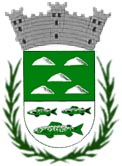
Coat of Arms
The coat of arms reflects Salinas' rich agricultural, maritime, and religious heritage. It features a fish symbolizing the municipality's long fishing tradition and abundant coastal waters, sugarcane representing the historic importance of the sugar industry, and a salt mound recalling the natural salt flats from which the municipality takes its name. A mural crown identifies Salinas as a Puerto Rican municipality, while Christian symbolism honors Nuestra Señora de la Monserrate, the town's patron saint.
Anthem
The song celebrates Salinas' beautiful coastline, hardworking fishing and farming communities, rich cultural traditions, and the pride its residents have in their hometown. It pays tribute to the municipality's natural beauty, maritime heritage, and welcoming spirit.
Human & Capital Resources
Economy
Today, Salinas' economy is driven by seafood, commercial fishing, tourism, agriculture, recreation, environmental research, and manufacturing. The municipality also benefits from the Albergue Olímpico, Jobos Bay Research Reserve, marina services, and its position along Puerto Rico's southern transportation corridor.
Education
Residents are served by public and private schools administered by the Puerto Rico Department of Education. Higher education opportunities are available nearby through the University of Puerto Rico campuses, Inter American University, and several technical institutions in Guayama, Ponce, and the southern region.
Demographics *
Population
25,789
Land Area: 69.37 sq mi
Density: 398.2 per sq mi
Median Age: 42.1
Sex: 52% female
Economics **
$9,860
Median household income: $17,694
Puerto Rico: $21,058
Persons below poverty line: 49.8%
Housing, families and educational attainment *
Number of households
9,973
Housing units density:
207.3 (2013)
Persons per household: 2.76
High school grad or higher: 74%
Marital status: 36% married
* U.S. Census Bureau 2020 data, unless otherwise noted - Source: Quick Facts Puerto Rico.
** U.S. Census Bureau 2016-2020
Map References
Coordinates: 18.1144° N, 66.1681° W
ZIP Code: 751
Driving Distance from San Juan: 53.4 miles
Driving Time: 1 hour, 16 minutes
Frequently Asked Questions
Where is Salinas located?
Salinas is located on Puerto Rico's southern coast, between Guayama and Santa Isabel, approximately one hour from San Juan and about 30 minutes east of Ponce.
What is Salinas known for?
Salinas is known for fresh seafood, the Festival Internacional del Mojo Isleño, Jobos Bay National Estuarine Research Reserve, Marina de Salinas, the Aguirre Historic District, and the Albergue Olímpico Germán Rieckehoff.
What is mojo isleño?
Mojo isleño is a savory Puerto Rican sauce traditionally prepared with tomato, onions, peppers, garlic, olive oil, and seasonings. In Salinas, it is especially popular with fried fish and seafood and is celebrated during the annual Festival Internacional del Mojo Isleño.
What are the top attractions in Salinas?
Popular attractions include Jobos Bay National Estuarine Research Reserve, Aguirre Historic District, Albergue Olímpico Germán Rieckehoff, Paseo Ladí, Marina de Salinas, Aguirre State Forest, and the Salinas waterfront.
Is Salinas a good destination for seafood?
Yes. Salinas is one of Puerto Rico's best-known seafood destinations, with waterfront restaurants serving fresh fish, lobster, shrimp, octopus, conch, mofongo, and traditional dishes prepared with mojo isleño.
Can you kayak at Jobos Bay?
Yes. Kayaking is one of the best ways to explore Jobos Bay's mangrove forests, estuarine channels, seagrass beds, and wildlife. Guided eco-tours may be available depending on conditions and season.
What are people from Salinas called?
Residents of Salinas are known as salinenses.
What festivals are celebrated in Salinas?
Major annual events include the Festival Internacional del Mojo Isleño, Festival del Pescao, Carnaval Abey, 10K del Mojo Isleño, and the Fiestas Patronales de Nuestra Señora de la Monserrate.
What is the best time to visit Salinas?
Salinas can be visited year-round, but weekends are especially lively along the waterfront. July is a popular time to visit for the Festival Internacional del Mojo Isleño, while the drier winter and spring months are excellent for boating, kayaking, and outdoor recreation.
Is Salinas worth visiting?
Absolutely. Salinas combines waterfront dining, fresh seafood, mangrove ecosystems, historic sugar-industry sites, Olympic sports facilities, and a relaxed Caribbean atmosphere that makes it one of Puerto Rico's most distinctive southern coastal destinations.
Did You Know?
The Río de la Plata is Puerto Rico's longest river.
Get Our Newsletter
Discover new places, local flavors, upcoming events, cultural stories, and some of our favorite finds from around the island.Read the Latest ¡La Isla! Newsletter
Follow Along


