
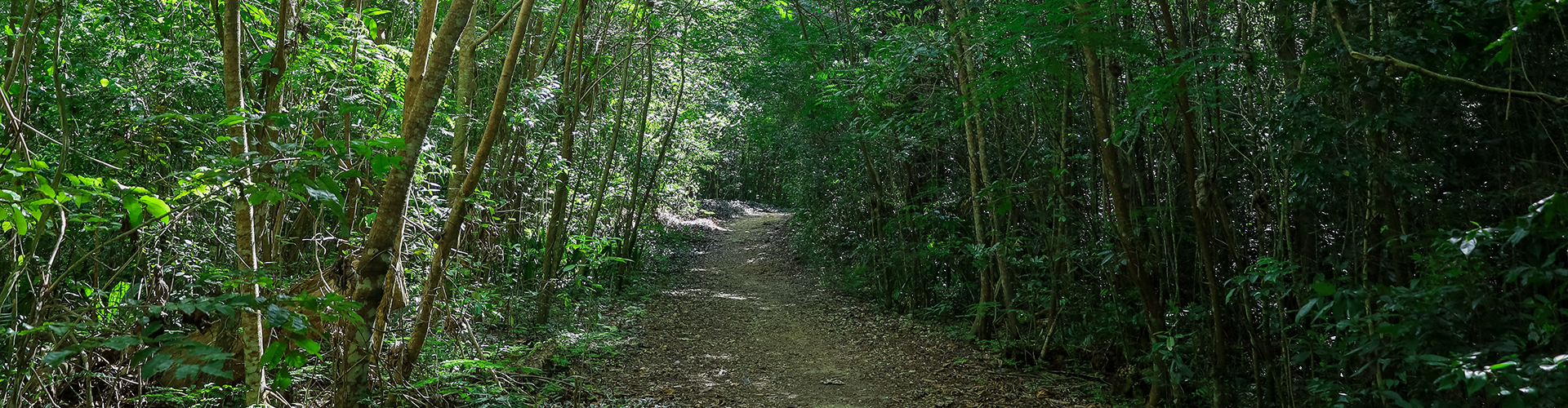
Wildlife & Nature Experiences
Puerto Rico's wildlife refuges and nature reserves protect some of the Caribbean's most diverse ecosystems, from tropical dry forests and mangrove wetlands to coastal lagoons, coral reefs, salt flats, and offshore islands.
These protected areas provide important habitat for native and migratory birds, sea turtles, endangered species, and countless plants while offering visitors opportunities for hiking, birdwatching, kayaking, wildlife photography, and nature observation.
Birdwatching
Puerto Rico's wetlands, forests, and coastal habitats provide important feeding and nesting areas for resident and migratory birds.- Cabo Rojo National Wildlife Refuge
- Laguna Cartagena National Wildlife Refuge
- Humacao Nature Reserve
Coastal Wetlands & Mangroves
Explore lagoons, mangrove forests, salt flats, and other ecosystems where land and sea meet.- Cabezas de San Juan Nature Reserve, Fajardo
- Humacao Nature Reserve
- Jobos Bay National Estuarine Research Reserve
Hiking & Forest Exploration
Follow trails through subtropical dry forest, limestone landscapes, and protected natural habitats.- Guánica State Forest
- Cambalache State Forest
- Río Abajo State Forest
Sea Turtles & Marine Life
Discover protected coastal areas that provide important habitat for sea turtles, coral reefs, seagrass beds, and other marine wildlife.- Vieques National Wildlife Refuge
- Culebra National Wildlife Refuge
- Northeast Ecological Corridor
Kayaking & Water Exploration
Experience protected landscapes from the water through lagoons, mangrove channels, and calm coastal areas.- Humacao Nature Reserve
- Jobos Bay
- Cabezas de San Juan
Dramatic Landscapes
Visit protected areas known as much for their scenery as their wildlife.- Cabo Rojo National Wildlife Refuge
- Guánica State Forest
- Vieques National Wildlife Refuge
Puerto Rico's Wild Side
Growing up in Puerto Rico, it's easy to think first of beaches and mountains when you picture the island's natural beauty. But some of its most remarkable places are the protected landscapes in between—the mangroves, salt flats, lagoons, dry forests, coral reefs, and small offshore islands where wildlife thrives.
These reserves offer a quieter way to experience Puerto Rico. You might watch birds over the salt flats in Cabo Rojo, kayak through the wetlands of Humacao, walk beneath the dry forest canopy in Guánica, or simply stop and appreciate how many different ecosystems can exist on one relatively small island.
Explore by Region: Metro · North · East · Central · South · West
Displaying 22 results.
Metro Region
-
Bosque Urbano del Nuevo Milenio
Located on the eastern side of the Botanical Garden of the University of Puerto Rico in Rio Piedras.Roads 1 and 847
Rio Piedras, 00936
North Region
-
Cambalache Forest Reserve
Known as vivero or nursery because it contains plantations of eucalyptus, teak, and mahoe trees. Camping allowed in two areas. Water and showers, 8 trails and nearby beach. 18.43°N 66.60°WRd #682 km 6.6.
Arecibo
(787) 724-3724 -
Guajataca State Forest
An example of Puerto Rico's more unusual topography. Karst country as it is known, is characterized by haystack-shaped hills and sinkholes. Over 40 walking trails, 25 miles of maintained footpaths through the karst region. Facilities include: 10 campsites, campfires, bathrooms and showers. Fishing enthusiasts will enjoy Guajataca Lake, a three mile long bass filled body of water, and a prime locale for bass fishing. Take expressway 52 and Route 2 to the road 446 exit between Quebradillas and Isabela.Road 446
Isabela
(787) 890-4050; (787) 890-2050 -
Bosque Estatal de Vega
The forest facilities include: a recreational area next to the main office, with public squares. In addition, a system of paths exists to make long walks and to observe the flora and fauna of the forest.Bo Bajuras Carr 676 Km 1.2.
Vega Alta, 00692
(787) 724-3724 -
Vega Alta Forest
Caves, deep sinkholes and twelve different type of soils. Open Mon-Fri 7:30am - 3:30pm.Vega Alta
(787) 724-3647
East Region
-
El Yunque National Forest
El Yunque National Forest with a total area is 28,000 acres has an estimated 240 types of tree, and many other plants, such as tiny wild orchids, bamboo trees, giant ferns, and trumpet trees. Hiking trails and rest areas available. El Portal Tropical Forest Center has film exhibits and interactive displays about the rain forest. Open daily 7:30am a 6:00pm. How to Get There From San Juan take Road 26 towards Carolina until you reach Road 3. Take Road 3 towards Fajardo for about 20 minutes until you get to Rio Grande. Take Road 191 to El Yunque.Route 191 Km. 4.2
Rio Grande, 00745
(787) 888-1880
Central Region
-
Bosque Estatal Guilarte
Monte Guilarte Forest Reserve is a beautiful and lush tropical site. The Forest is divided into seven segments which are located among the municipalities of Adjuntas, Guayanilla, Penuelas and Yauco. The trails are excellent for hiking and the views at the pinnacle are breathtaking. On a clear day you can see both Ponce and San Juan without the aid of binoculars. Monte Guilarte (3,953 ft) is the third highest mountain peak on the island.Rt. 518
Adjuntas
(787) 724-3647 -
Sotomayor del Toro Reserve
This 63-acre reserve on the steep slopes of Cerro La Santa. This tract of virgin tropical forest shelters numerous wildlife species, andstreams here nourish the headwaters of the Turabo River. It is adjacent to the Carite State Forest.Caguas
-
Los Tres Picachos Forest
Route 149
Ciales
(787) 871-3500 -
Toro Negro Forest Reserve
Its 7,000 acres include Puerto Rico's tallest peak. Spectacular views extending to the Atlantic and the Caribbean. Permits are required for campgrounds (7 campsites). Camping facilities include water, campfire, bathrooms, and showers. Mountain climbing for experienced climbers.Route 143 Km. 31.8
Jayuya
(787) 722-1726 (787) 724-3724 -
Maricao Forest Reserve
Home of a vast amount of flora, 582 species, 339 genera and 113 families. Open Tue-Sun 7:30am-4pm.Road 120
Maricao
(787) 838-1040 -
Vivero de Peces de Maricao
By appointment only. Open Thr-Sun 8:30am-11:45am -- 1pm-3:45pm.Maricao
(787) 838-3710 -
Rio Abajo Forest Reserve
This 5,780 acres forest reserve is home to 223 plants and 175 wildlife species. Visitors are allowed to walk along any of the forest's 70 trails.Route 621 Km. 4.4
Utuado
(787) 722-1726
South Region
-
Carite Forest Reserve
Carite is a 6,000-acre reserve with a dwarf forest that was produced by the region's high humidity and moist soil. The highest point is Cerro La Santa, at 3,000 feet. From several peaks there are panoramic views of Ponce and the Caribbean Sea. Fifty species of birds live in the forest, making this spot a recognized area for birding. There is a picnic area and 10 campgrounds (permit is necessary for camping).Rt. 184
Guayama
(787) 722-1726 -
Jobos Bay National Estuarine Research Reserve
Located between the coasts of Salinas and Guayama, approximately 2,883 acres of mangrove forest and freshwater wetlands. The reserve is home to the endangered brown pelican, peregrine falcon, hawksbill sea turtle and West Indian manatee. Guided tours are offered upon request and reservation. Open Daily: 8:00am-4:00pm.Guayama
(787) 864-0105 -
Aguirre Forest Reserve
Find mangroves, tidal flats, bird rookeries & a large manatee population. Facilities include Kayaks routes identified with buoys, docks for the disembarking of kayaks and for recreational fishing, floating Pier, campsite, parking, showers, picnic and barbecue areas, drinking water, compost bathrooms, sitting area, and labeled trails for walking. Open Monday to Sunday; 9:30 AM to 2: 30 PM. Located off route 3, east of Salinas.Salinas
(787) 999-2200, ext 5120, 515 (787) 724-3647
West Region
-
Boqueron Forest Reserve
Located in Cabo Rojo just west of Boqueron. The reserve consists of 400 acres of mangroves wetlands.Carr. 307 Km 8.8
Cabo Rojo, 00622
(787) 724-3647 -
Cabo Rojo National Wildlife Refuge
Located along the coastal plain of southwestern Puerto Rico, the Cabo Rojo National Wildlife Refuge, a subtropical dry forest, has a visitors center and interpretive displays as well as bird-watching trails. An interpretive trail totaling 2 miles passes through the refuge and approximately 12 miles of hiking trails are available for birdwatching, photography and wildlife observation. Some 50 bird species occur in and around the refuge, including the endangered yellow-shouldered blackbird. No camping allowed. Open Mon-Fri from 7:00am to 4:00pm. How to Get There From Mayaguez, drive south on Route 2, take exit Route 100 towards Cabo Rojo. At the end of Route 100, turn left onto Route 101. Drive .8 mile, then turn right onto Route 310. Drive approximately 3 miles and look for the sign to the entrance of the refuge on left.Rt 301 Km 5.1, Box 510
Cabo Rojo
(787) 851-7258 -
Punta Guaniquilla Reserve
This 388-acre reserve protects a diverse landscape that includes an arid promontory, a dry forest, palm and mangrove fringes, unique limestone formations in two lagoons, a cave system, cacti, and swamp areas. The tract is notable as the habitat of the endangered West Indian Whistling Duck, the Ruddy Duck, and the Caribbean Coot. The site is also recognized as a migratory bird sanctuary and an important wintering ground for shore birds.Cabo Rojo
-
Guanica Dry Forest Reserve
The Guanica Forest Reserve is a coastal mangrove forest and has been an UNESCO World Biosphere Reserve because of several endangered species found only in Puerto Rico. No camping allowed. Open Mon-Sun 8am - 5pm.Rt 333 to Rt 334
Guanica
(787)722-1726 -
Punta Ballena Reserve
Perfect for bird watching. UNESCO declared it a Biosphere Reserve because of its outstanding representation of this ecosystem. Beach access. No camping allowed.Guanica
-
Susua State Forest
The Susua Forest is located in the municipalities of Yauco and Sabana Grande. The highest elevation is 473 m. Facilities include: 15 campgrounds, bathrooms, and showers.Route 368
Sabana Grande
(787) 833-3700 (787) 724-1374
Did You Know?
Since 2014, the island has lost 2% of population each year.
Get Our Newsletter
Discover new places, local flavors, upcoming events, cultural stories, and some of our favorite finds from around the island.Read the Latest ¡La Isla! Newsletter
Follow Along


