
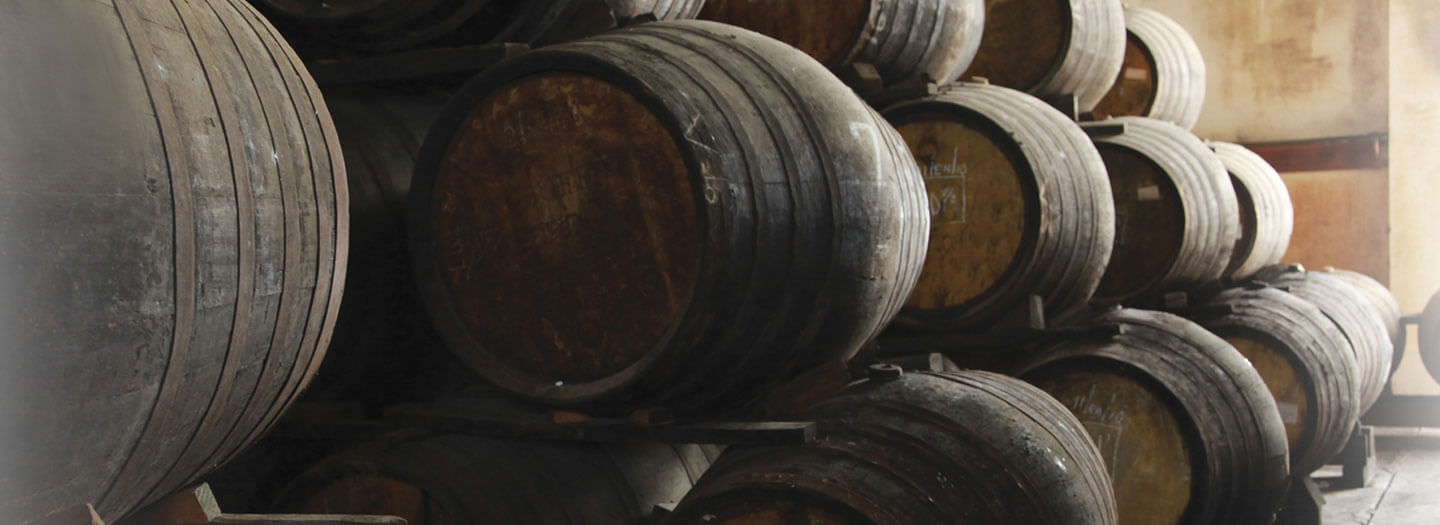
The Birthplace of Modern Rum
Puerto Rico is often called the "Rum Capital of the World." This is not just marketing—it's rooted in history, craftsmanship, and scale.
Rum production on the island dates back to the 1500s, when Spanish colonizers introduced sugarcane. By the 1800s, Puerto Rico had transformed rum from a rough, locally consumed spirit into a refined, export-quality product.
Today, the island produces some of the smoothest and most consistent rums in the world, thanks to strict aging standards and advanced distillation methods.
The Two Pillars of Puerto Rican Rum
Modern Puerto Rican rum is largely defined by two major producers:
- Destilería Serrallés (makers of Don Q)
- Bacardí
While both operate on the island today, their stories—and roles—are very different.
A History of Craft, Culture, and Global Influence
From Sugarcane to Spirit (1500s–1800s)
Rum in Puerto Rico begins with sugarcane.
When the Spanish arrived in the early 1500s, they introduced sugarcane cultivation to the island. Over time, sugar became one of Puerto Rico's most important crops, and with it came a natural byproduct: molasses.
Early rum production was crude—harsh, unrefined, and mostly consumed locally. But by the 19th century, Puerto Rico began to shift from producing raw spirits to crafting something more sophisticated.
This transformation was driven by:
- Advances in distillation
- The introduction of aging techniques
- A growing demand for higher-quality spirits
The Rise of Refined Rum (1800s)
By the mid-1800s, rum production in Puerto Rico began to take shape as an industry.
Families like the founders of Destilería Serrallés in Ponce helped define what would become the Puerto Rican style of rum—lighter, smoother, and more refined than earlier Caribbean versions.
This marked a turning point:
- Rum was no longer just a byproduct of sugar
- It became a crafted spirit with identity and standards
Regulation and Quality Standards (1898–1900s)
After Puerto Rico became a U.S. territory in 1898, the rum industry underwent another major transformation.
New regulations introduced:
- Minimum aging requirements
- Production standards for consistency
- Quality controls that elevated Puerto Rican rum globally
These laws helped establish Puerto Rico as a producer of premium, reliable rum, distinguishing it from less regulated markets.
Bacardí's Arrival and Global Expansion (1930s–1960s)
While Puerto Rico's rum industry was already growing, a major shift came with the arrival of Bacardí.
Originally founded in Cuba in 1862, Bacardí established operations in Puerto Rico in the 1930s. After the Cuban Revolution, the company fully relocated its production, making Puerto Rico a central hub.
Its facility Casa Bacardí in Cataño is one of the largest rum distilleries in the world.
Why this mattered historically:
- Bacardí brought industrial-scale production
- Expanded Puerto Rico's role in global rum exports
- Helped position the island as a world leader in rum manufacturing
At the same time, Bacardí maintained a style that was:
- Light, mixable rums (like Bacardí Superior)
- Consistency across global markets
- A style designed for cocktails and high-volume production
While Bacardí is produced in Puerto Rico, it is widely seen as a global brand with local production, rather than a purely local identity.
Local Strength: Don Q and Cultural Identity
Don Q represents a more homegrown tradition.
Even as Bacardí expanded globally, local producers like Don Q continued to define Puerto Rico's identity.
Produced by Destilería Serrallés since 1865, Don Q remained rooted in the island's traditions.
Its approach emphasized:
- Clean, refined distillation
- Balanced flavor
- A connection to Puerto Rican culture
Over time, Don Q became the most consumed rum on the island, representing a more local, authentic expression of Puerto Rican rum.
Global vs Local
The contrast between these two brands defines rum in Puerto Rico:
- Bacardí → Global scale, international recognition
- Don Q → Local identity, cultural connection
Both are essential to understanding why Puerto Rico remains a leader in rum production.
Why Puerto Rico Became the Rum Capital
Puerto Rico's dominance in rum is no accident. It is the result of centuries of refinement, shaped by:
- Ideal climate for aging spirits
- Access to high-quality sugarcane byproducts
- Strict production regulations ensuring consistency
- A long tradition of refining and improving rum-making techniques
From early sugar plantations to modern distilleries, rum has remained one of the island's most enduring and influential industries.
Visit Puerto Rico's Rum Distilleries
Exploring Puerto Rico's rum is not just about tasting—it's about experiencing history, culture, and craftsmanship firsthand.
Serrallés Distillery & Castillo Serrallés (Ponce)
In Ponce, home of Don Q, you'll find a more intimate and cultural experience.
What to explore:
- The historic Castillo Serrallés (museum and mansion)
- Exhibits on rum production and family history
- Views overlooking the southern coast
- Insight into Puerto Rico's sugar and rum heritage
Ideal for: History lovers, culture seekers, and those wanting a deeper local connection
Casa Bacardí (Cataño)
Located just across the bay from San Juan in Cataño, Casa Bacardí is one of the most visited rum attractions in the Caribbean.
What to expect:
- Guided distillery tours
- Rum tastings and history exhibits
- Mixology classes (learn to craft classic cocktails)
- Scenic views of San Juan Bay
Ideal for: First-time visitors, cocktail lovers, and anyone curious about global rum production
Which Should You Visit?
- Want a large, interactive, global brand experience → Bacardí
- Want a cultural, historical, Puerto Rican perspective → Serrallés / Don Q
Many visitors choose to do both—they complement each other and tell the full story of rum in Puerto Rico.
Did You Know?
The judicial system is based on civil law with influences from Spanish legal traditions and U.S. common law.
Get Our Newsletter
Discover new places, local flavors, upcoming events, cultural stories, and some of our favorite finds from around the island.Read the Latest ¡La Isla! Newsletter
Follow Along


