

The Real Cost of Living in Puerto Rico
Dreaming about trading traffic and cold winters for palm trees and ocean breezes? You've probably wondered what it really costs to live in Puerto Rico. As someone who has spent years exploring the island, I can tell you, it's beautiful, vibrant, and full of life, but living here comes with its own rhythm (and expenses).
The real cost of living depends on your lifestyle - whether you're drawn to city life in San Juan, the laid-back beaches of Rincon, or the quiet charm of mountain towns like Adjuntas. In this 2025 update, I'll walk you through what to expect for housing, groceries, transportation, and more - so you can plan your move (or your long stay) with open eyes and a full heart.
Because Puerto Rico isn't just a destination - it's a way of life. And knowing what to expect financially will help you make the most of it.
Quick Snapshot:
Living in Puerto Rico can cost less than many U.S. cities, but expenses like utilities, groceries, and transportation can be higher due to import costs. Your total cost will depend heavily on lifestyle and location.
Housing Costs
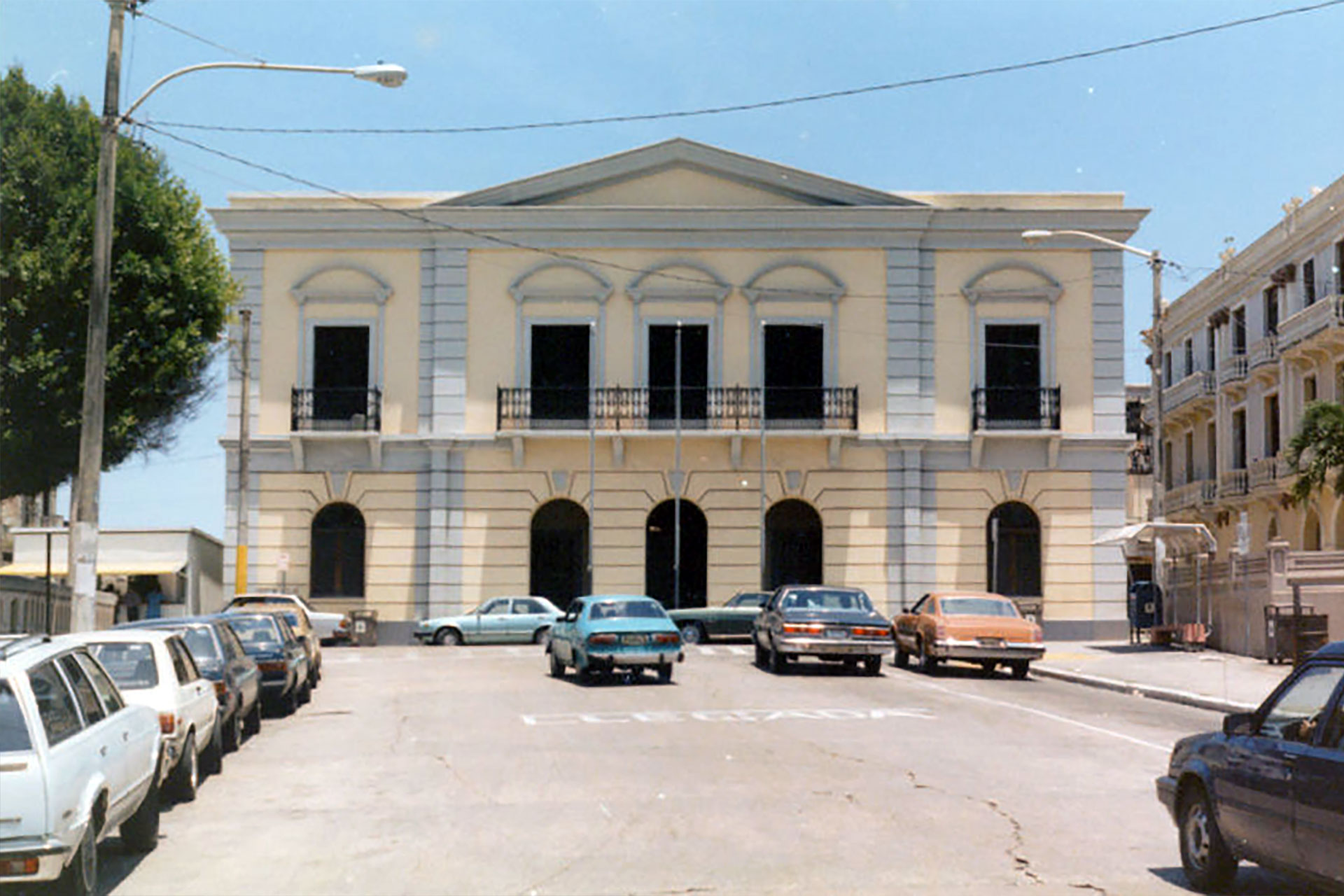
Where you choose to live makes all the difference. In San Juan, expect to pay around $950-$1,400 a month for a one-bedroom apartment. Trendy neighborhoods like Condado, Miramar, and Isla Verde come with convenience, ocean views, and a higher price tag.
If you prefer a slower pace, smaller inland towns like Adjuntas, Lares, or Utuado offer homes for $500-$800 a month, surrounded by mountain air and lush greenery. Buying property is still more affordable than in most U.S. cities, but prices are rising fast in popular coastal areas.
Keep in mind that property insurance and hurricane preparedness are part of the cost of living. Many residents are also investing in solar systems, which reduce long-term costs but require upfront investment.
Utilities and Other Services
Utilities tend to be higher than on the U.S. mainland, driven by Puerto Rico's reliance on imported fuel.
- Electricity: $150-$300 per month (depending on air conditioning usage).
- Water: Around $40-$70 monthly.
- Internet: Reliable broadband runs between $60-$100 monthly.
- Mobile service: $40-$90 depending on provider.
Power outages are still an occasional issue, leading some households to invest in solar panels or generators, which can increase upfront costs but save money long-term.
Food and Groceries
Food prices are another key factor - most goods are imported, so grocery costs are typically 10-25% higher than in the mainland U.S.
- Groceries: A single person spends about $400-$550/month; a family of four can expect $900-$1,200.
- Dining out: Casual dining starts at $12-$18 per person; fine dining can range from $50-$100+ per couple.
Farmers' markets, local produce, and discount stores can help keep costs manageable while supporting Puerto Rican farmers.
Transportation and Getting Around
Public transportation is limited outside San Juan, so owning a car is often necessary.
- Gasoline: Around $4.30/gallon (2025 average).
- Car insurance: Typically $800-$1,200 per year.
- Maintenance: Parts and services can cost more due to import logistics.
If you live in the metro area, you might get by with Uber or shared rides. But if you're exploring beyond the city - say, to visit Cabo Rojo beaches or Ponce's historic plazas a car is essential.
Income and Employment
Puerto Rico's median household income in 2025 is estimated at $25,000-$28,000, significantly lower than the U.S. average. However, remote workers earning U.S. mainland salaries often find the cost of living much lower.
Tax incentive programs like Act 60 continue to attract entrepreneurs and digital nomads seeking to build businesses while contributing to the island's economy.
Lifestyle
Life on the island can be as affordable or as luxurious as you choose.
- San Juan/Dorado: Trendy, cosmopolitan, and pricier.
- Ponce/Mayaguez: Mid-range costs with strong cultural life.
- Mountain towns: More affordable and peaceful, with cooler weather.
Infrastructure challenges such as power stability and hurricane preparedness can impact living expenses depending on location.
Pros and Cons of Living in Puerto Rico
Pros:
- Tropical climate year-round.
- U.S. citizenship, no passport required.
- Affordable housing in non-tourist areas.
- Vibrant culture and community.
Cons:
- Higher utility and grocery costs.
- Slower infrastructure recovery in some regions.
- Lower wages compared to the mainland.
- Slower government processes and limited public transport
Cost Comparison: Puerto Rico vs Mainland U.S.
Compared to major U.S. cities like New York or Miami, Puerto Rico can be more affordable in housing and lifestyle. However, certain costs—especially utilities and groceries—can be higher due to import logistics.
- Housing: Often lower
- Utilities: Higher
- Groceries: Higher
- Transportation: Similar or higher
Tips for Anyone Considering the Move
- Create a relocation budget that includes electricity, groceries, and transportation.
- Visit before moving to experience daily life.
- Consider solar power and rainwater collection to offset long-term costs.
- Research healthcare and insurance options beforehand.
Living in Puerto Rico in 2025 can be as simple or as sophisticated as you make it. Costs vary, but the reward is priceless - sun-drenched mornings, ocean breezes, and a slower, more intentional lifestyle that invites connection.
Whether you're seeking a slower pace, new business opportunities, or a connection to your heritage, Puerto Rico offers an affordable way to live in paradise - if you plan wisely.
Thinking of moving to Puerto Rico? Learn more about moving to Puerto Rico and residency requirements.
Frequently Asked Questions
Is it cheaper to live in Puerto Rico than the U.S.?
It depends on lifestyle, but housing can be cheaper while utilities and groceries may be higher.
How much money do you need to live comfortably in Puerto Rico?
A single person can live comfortably on $1,500–$3,000 per month depending on lifestyle and location.
Did You Know?
On July 25, 1996 the U.S. government recognized Puerto Rican citizenship.
Get Our Newsletter
Discover new places, local flavors, upcoming events, cultural stories, and some of our favorite finds from around the island.Read the Latest ¡La Isla! Newsletter
Follow Along


