
Toa Alta, Puerto Rico
(TO-ah AHL-tah)
Toa Alta, known as "La Cuna de Poetas" (the Cradle of Poets), "La Ciudad del Toa", and "La Ciudad del Josco", is one of Puerto Rico's oldest municipalities. Founded in 1751, it developed in the historic Valle del Toa, an agriculturally rich region associated with the Río de la Plata.
The name Toa has Indigenous origins and was used for the river and surrounding valley long before the municipality was established. Spanish settlement in the region dates to the early sixteenth century, making the Valle del Toa one of Puerto Rico's earliest areas of colonial agricultural development.
Overview
Why Visit Toa Alta?
Toa Alta offers visitors a quieter look at northern Puerto Rico beyond the beaches and resorts of the coast. Its historic town center, countryside, Río de la Plata watershed, karst landscape, traditional food, and literary heritage reveal a community shaped by more than five centuries of history.
The municipality is especially interesting for travelers exploring Puerto Rico by car. From Toa Alta, it is easy to combine rural drives and local restaurants with nearby Dorado, Bayamón, Corozal, Naranjito, and other destinations across the north-central region.
Top Things to Do in Toa Alta
Lago La Plata
One of the defining natural features of the Toa Alta area, Lago La Plata is a reservoir surrounded by the green hills of north-central Puerto Rico. The lake forms part of the Río de la Plata watershed and contributes to the scenic rural landscape of the municipality.
Río de la Plata
One of Puerto Rico's major rivers, the Río de la Plata is closely connected to Toa Alta's history. The surrounding Valle del Toa attracted some of the earliest Spanish agricultural settlement on the island and helped shape the municipality's development.
Plaza Pública de Toa Alta
The traditional town plaza is the civic and cultural heart of Toa Alta Pueblo. Surrounded by historic streets and community institutions, it provides a natural starting point for exploring the municipality's historic center.
Parroquia San Fernando Rey
The historic Catholic parish is closely tied to the founding of Toa Alta. Construction of the original church began shortly after the municipality was established in the eighteenth century, making the parish an important part of the town's architectural and religious heritage.
Toa Alta's Karst Countryside
Parts of Toa Alta lie within Puerto Rico's northern karst region, characterized by limestone hills known locally as mogotes or pepinos. Scenic drives through the municipality reveal a landscape of rolling hills, valleys, farms, and rural communities.
Cuna de Poetas: Toa Alta's Literary Tradition
Toa Alta is known throughout Puerto Rico as La Cuna de Poetas — the Cradle of Poets — a nickname that reflects the municipality's long association with writers, poets, educators, and storytellers.
Among the literary figures connected with Toa Alta are poet Pablo Morales Cabrera and writer Abelardo Díaz Alfaro. Their work contributed to Puerto Rico's twentieth-century literary tradition and helped preserve stories, language, and images of rural Puerto Rican life.
The nickname is more than a historical curiosity. It reflects a community where poetry and literature became an important part of local cultural identity, distinguishing Toa Alta from neighboring municipalities and giving the town a special place in Puerto Rico's literary geography.
The Historic Valle del Toa
Long before the municipality of Toa Alta existed, the fertile lands surrounding the Río de la Plata were known as the Valle del Toa. The name Toa has Indigenous origins and became closely associated with both the river and the surrounding valley.
Spanish colonists settled in the region during the earliest years of European colonization. Historical records place the establishment of the Granja de los Reyes Católicos in the Valle del Toa in 1509, making the area one of Puerto Rico's earliest centers of colonial agriculture.
Over time, farming communities developed into settlements known as Thoa Alta and Thoa Baxa. These eventually became the municipalities of Toa Alta and Toa Baja, preserving the ancient Toa name more than five centuries later.
Plan your Visit
Located just outside the San Juan metropolitan area, Toa Alta is best explored by car, allowing visitors to discover its historic town center, rural communities, karst countryside, and nearby north-coast destinations.
Getting There
By Air
Luis Muñoz Marín International Airport (SJU) is the primary airport serving the region. Driving time to Toa Alta is generally under an hour, depending on traffic.
By Car
Toa Alta is approximately 25 miles from San Juan, making it possible to visit as a day trip from the metropolitan area.
Getting Around
Rental Car
A car is strongly recommended for exploring Toa Alta's countryside, Lago La Plata area, restaurants, historic center, and neighboring municipalities.
Walking
The historic Pueblo area is best suited for short walks around the traditional town center and plaza.
Taxis & Rideshare
Service may be available, particularly closer to the San Juan metropolitan area, but visitors should not depend on rideshare for exploring rural sections of the municipality.
Nature & Resources
Geography
Toa Alta lies between Puerto Rico's northern coastal plain and the island's northern karst region, north of Naranjito; south of Dorado and Toa Baja; east of Vega Alta and Corozal; and west of Bayamón. Much of the municipality sits at relatively low elevations, while limestone hills, valleys, and rolling terrain become more prominent toward its interior.
The municipality's fertile valleys and abundant waterways historically supported agriculture and cattle raising. Limestone formations known as mogotes or pepinos are characteristic of the karst landscape and create some of Toa Alta's most distinctive scenery.
The Río de la Plata watershed is particularly important. Its waters and surrounding valley have influenced settlement, agriculture, and development in the region since Indigenous times.
Rivers & Waterways
The Río de la Plata, one of Puerto Rico's major river systems, is the most historically significant waterway associated with Toa Alta. The river was traditionally known as the Río Toa, and its fertile valley gave the municipality its name.
Lago La Plata is another major feature of the region. The reservoir forms part of the Río de la Plata system and is surrounded by the green hills and rural landscape characteristic of north-central Puerto Rico.
Numerous smaller streams and tributaries drain Toa Alta's valleys and hills, contributing to the fertile landscape that historically supported agriculture, livestock, and dairy farming.
Neighborhoods & Barrios
Toa Alta is made up of 9 barrios (PDF) (wards/districts):
- Contorno
- Galateo
- Mucarabones
- Ortiz
- Piñas
- Pueblo
- Quebrada Arenas
- Quebrada Cruz
- Río Lajas
Climate
Toa Alta has a warm tropical climate with relatively consistent temperatures throughout the year. Daytime temperatures commonly reach the mid-to-upper 80s °F (about 29–31°C), with somewhat cooler conditions at night and in the municipality's higher interior areas.
Rainfall is distributed throughout the year, although late spring through fall is generally wetter. Toa Alta's location between the northern coastal plain and interior hills contributes to a greener landscape than Puerto Rico's comparatively dry southern coast.
Visitors exploring rural areas should prepare for warm temperatures, humidity, and occasional afternoon showers. The Atlantic hurricane season runs from June through November.
10 Day Forecast from weather.com
Where to Stay
- Hyatt Place Bayamón
- Dorado Beach, a Ritz-Carlton Reserve
- Embassy Suites by Hilton Dorado del Mar Beach Resort
- Hyatt Vacation Club at Hacienda del Mar
- Country homes
- Private apartments
- Family vacation rentals
- Rural properties
Local Flavors & Festivities
Where to Eat
- Aníbal BBQ
- Lechonera Marzán
- Pote's Pinchos
- John John Restaurant
- The Tank Bar & Grill
- La Furia Bar & Grill
- Rancho El Toronjal Bar & Grill
- Nuni's Pizza Bar & Grill
- Panadería Marce
- Cafeliz
Festivals and Events
Displaying 7 results.
-
Festival de las Octavitas
- January
Traditional celebration extending Puerto Rico's Christmas season with music, community activities, and cultural traditions.
-
Maraton La Chopa
- March
Traditional community road race held in Toa Alta as part of the municipality's recreational and sporting calendar.
-
Festival Agrícola del Toa
- May
Agricultural and cultural festival celebrating Toa Alta's farming heritage with agricultural exhibits, artisans, traditional food, live music, parades, and family activities.
-
Fiestas Patronales de San Fernando Rey
- May
Annual patron saint celebration honoring San Fernando Rey with religious observances, music, food, artisans, and community festivities.
-
Festival El Josco
- October
Cultural festival celebrating Toa Alta's rural and cattle-raising heritage and its identity as La Ciudad del Josco.
-
Festival de Música Folklorica
- November
Celebration of Puerto Rican folk music highlighting traditional music, jíbaro culture, and local performers.
-
Trullas Navideñas
- December
Christmas-season celebration featuring Puerto Rican parrandas, traditional music, and community festivities.
History
The history of Toa Alta begins long before the municipality itself was founded. The region formed part of the fertile Valle del Toa, named for the Indigenous Taíno name associated with the Río de la Plata and its surrounding valley.
Spanish settlement in the Valle del Toa began during the earliest years of colonization. By 1509, Spanish settlers had established agricultural operations in the region, making the valley one of Puerto Rico's earliest areas of European agricultural development.
During the eighteenth century, farming families—many with roots in the Canary Islands—established settlements known as Thoa Alta and Thoa Baxa. These communities eventually developed into the municipalities of Toa Alta and Toa Baja.
Toa Alta was officially founded in 1751 during the administration of Governor Agustín Parejas. The parish dedicated to San Fernando Rey became closely associated with the new municipality and remains an important landmark in the historic town center.
Agriculture and cattle raising shaped Toa Alta for generations. Sugar cane, coffee, tobacco, fruits, livestock, and dairy farming contributed to the local economy, while the fertile valleys surrounding the Río de la Plata supported rural communities throughout the municipality.
Toa Alta also developed a strong literary tradition. Writers and poets associated with the municipality helped earn it the nickname La Cuna de Poetas — the Cradle of Poets.
During the twentieth century, improved transportation and the expansion of the nearby San Juan metropolitan area gradually transformed Toa Alta. Residential development, commerce, manufacturing, and services became increasingly important, although rural landscapes and agricultural traditions remain part of the municipality's identity.
Moments in History
1509 – Spanish Settlement in the Valle del Toa
Spanish colonists established agricultural operations in the region known by the Taíno name Toa, beginning one of Puerto Rico's earliest periods of colonial agricultural development.
1751 – Toa Alta is Founded
Toa Alta was formally established as a municipality during the administration of Governor Agustín Parejas.
1752 – Construction of the Parish Church Begins
Construction began on the church associated with the new municipality, dedicated to Nuestra Señora de la Concepción and San Fernando. The parish would become an enduring landmark in Toa Alta Pueblo.
1765 – Ribera de Toa Alta
Historical records referred to the municipality as Ribera de Toa Alta and recorded a population of 1,978 residents, reflecting the growth of the agricultural settlement.
1853 – Military Convalescent Hospital Established
A military convalescent hospital was established in Toa Alta, taking advantage of what contemporary officials considered the municipality's favorable climate.
20th Century – Cuna de Poetas
The literary contributions of writers and poets associated with Toa Alta strengthened its reputation as La Cuna de Poetas, one of the municipality's best-known cultural identities.
2026 – Toa Alta Celebrates 275 Years
Toa Alta commemorated the 275th anniversary of its founding with cultural, religious, agricultural, and community celebrations, including a special edition of the Festival Agrícola del Toa.
Notable People
Toa Alta's writers, artists, athletes, and public figures reflect the municipality's strong literary and cultural traditions and its reputation as La Cuna de Poetas.
Famous Toalteños
Abelardo Díaz Alfaro
1916–1999
Literature
Writer and educator celebrated for his short stories portraying rural Puerto Rican life, social change, and the experiences of the island's jíbaro communities. He became one of Puerto Rico's important twentieth-century literary voices.
Pablo Morales Cabrera
1866–1933
Poetry & Literature
Poet, journalist, and writer associated with Toa Alta's literary heritage. His work contributed to the municipality's reputation as La Cuna de Poetas.
Dayanara Torres
1974–
Entertainment
Actress, model, author, and television personality who represented Puerto Rico at Miss Universe 1993 and won the international title, becoming one of Puerto Rico's best-known beauty queens.
City Symbols
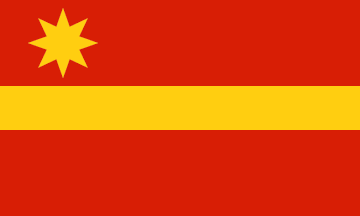
Flag
The flag of Toa Alta features horizontal red and yellow bands with a yellow eight-pointed star. Its colors and design draw from the municipality's heraldic traditions and represent elements of Toa Alta's history and civic identity.
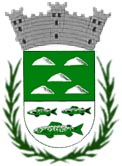
Coat of Arms
Toa Alta's coat of arms incorporates symbols associated with San Fernando Rey, the municipality's patron saint, together with heraldic elements representing its history, traditions, and development.
Anthem
The municipal anthem celebrates Toa Alta's history, landscape, people, and literary heritage.
Cuna de historia y de grandes poetas
Human & Capital Resources
Economy
Agriculture historically formed the foundation of Toa Alta's economy. The fertile Valle del Toa supported farming from the earliest years of Spanish colonization, while later generations cultivated sugar cane, coffee, tobacco, fruits, and other crops.
Livestock and dairy farming also became important to the municipality. Toa Alta's cattle-raising heritage remains part of local identity and is reflected in the nickname La Ciudad del Josco and cultural traditions such as the Festival El Josco.
During the twentieth century, Toa Alta's economy diversified as Puerto Rico industrialized and the San Juan metropolitan region expanded westward. Manufacturing, construction, retail, transportation, professional services, healthcare, and other service industries became increasingly important.
Today, Toa Alta functions partly as a residential community within the broader metropolitan region while retaining rural and agricultural areas, particularly away from its more densely developed neighborhoods.
Education
Public education in Toa Alta is administered primarily by the Puerto Rico Department of Education, with elementary, middle, and high schools serving communities throughout the municipality.
Schools bearing the names of prominent Puerto Rican and local figures reflect Toa Alta's strong connection to education and literature, including institutions named for Abelardo Díaz Alfaro and other educators and writers.
Although Toa Alta is not one of Puerto Rico's major university centers, its location near Bayamón and the San Juan metropolitan area provides residents with convenient access to universities, technical institutes, and other higher-education opportunities throughout northern Puerto Rico.
Demographics *
Population
66,852
Land Area: 27.02 sq mi
Density: 2,501 per sq mi
Median Age: 40.4
Sex: 53% female
Economics **
$14,408
Median household income: $27,626
Puerto Rico: $21,058
Persons below poverty line: 31.1%
Housing, families and educational attainment *
Number of households
22,413
Housing units density:
999.5 (2013)
Persons per household: 3.22
High school grad or higher: 82.6%
Marital status: 35% married
* U.S. Census Bureau 2020 data, unless otherwise noted - Source: Quick Facts Puerto Rico.
** U.S. Census Bureau 2016-2020
Map References
Coordinates: 18.3883° N, 66.2483° W
ZIP Code: 00953, 00954
Driving Distance from San Juan: 24.5 miles
Driving Time: 42 minutes
Frequently Asked Questions
What is Toa Alta, Puerto Rico known for?
Toa Alta is known for its literary tradition, historic Valle del Toa, Río de la Plata watershed, karst landscape, agricultural and cattle-raising heritage, and its nickname La Cuna de Poetas.
Why is Toa Alta called La Cuna de Poetas?
Toa Alta is known as La Cuna de Poetas, or the Cradle of Poets, because of its strong association with Puerto Rican writers, poets, and literary traditions.
When was Toa Alta founded?
Toa Alta was officially founded in 1751, although Spanish agricultural settlement in the Valle del Toa dates to the early sixteenth century.
What does Toa mean?
The name Toa has Indigenous Taíno origins and was associated with the Río de la Plata and the fertile valley surrounding it before Spanish colonization.
Where is Toa Alta located?
Toa Alta is located in northern Puerto Rico, south of Dorado and Toa Baja, north of Naranjito, east of Vega Alta and Corozal, and west of Bayamón.
What are the main attractions in Toa Alta?
Highlights include Lago La Plata, the Río de la Plata and historic Valle del Toa, Plaza Pública, Parroquia San Fernando Rey, and the municipality's scenic karst countryside.
What is Lago La Plata?
Lago La Plata is a reservoir within the Río de la Plata watershed surrounded by the green hills and rural landscape of north-central Puerto Rico.
How far is Toa Alta from San Juan?
Toa Alta is approximately 25 miles southwest of San Juan. Driving time is generally about 40 to 60 minutes depending on traffic and the destination within the municipality.
Do I need a car to visit Toa Alta?
A car is recommended, particularly for exploring Toa Alta's rural communities, countryside, Lago La Plata area, restaurants, and neighboring municipalities.
What is the Festival Agrícola del Toa?
The Festival Agrícola del Toa celebrates the municipality's agricultural and cultural heritage with local food, agricultural exhibits, artisans, music, parades, and family activities.
Did You Know?
Puerto Rico manufactures many pharmaceuticals used in the U.S.
Get Our Newsletter
Discover new places, local flavors, upcoming events, cultural stories, and some of our favorite finds from around the island.Read the Latest ¡La Isla! Newsletter
Follow Along


