
Santa Isabel, Puerto Rico
(SAHN-tah ee-sah-BEL)
Santa Isabel, known as "La Tierra de Campeones" (the Land of Champions) and "La Ciudad de los Potros", is a coastal municipality in southern Puerto Rico known for its fertile agricultural plains, tropical fruit production, baseball tradition, and Caribbean shoreline.
Founded on October 5, 1842 by Antonio Vélez, Santa Isabel developed on one of Puerto Rico's most productive agricultural plains. Sugar cane once dominated the local economy, while today the surrounding fields continue to produce a variety of crops, including tropical fruits and vegetables.
Overview
Why Visit Santa Isabel?
Santa Isabel offers a different experience from Puerto Rico's busier resort areas. Here, expansive agricultural fields meet the Caribbean Sea, small fishing communities line the coast, and mangroves, beaches, cays, and nature reserves create opportunities for outdoor exploration.
The municipality is also a fascinating destination for baseball fans. Known as La Tierra de Campeones, Santa Isabel has produced an impressive number of professional baseball players, while the hometown Potros remain an important part of local sporting culture.
Top Things to Do in Santa Isabel
Reserva Natural Punta Petrona
One of Santa Isabel's most important natural areas, Punta Petrona protects mangroves, coastal wetlands, cays, shallow marine habitats, and other ecosystems along the Caribbean coast. The reserve includes several offshore cays and provides habitat for coastal and marine wildlife.
El Malecón de Santa Isabel
A waterfront promenade where visitors can enjoy views of the Caribbean Sea, local restaurants, bars, and the relaxed atmosphere of Santa Isabel's coast. It is an ideal place for an afternoon walk or sunset meal.
Playa Jauca
A quiet beach along Santa Isabel's southern coast, popular with residents and visitors looking for a less-developed alternative to Puerto Rico's busier beaches.
Playa Clavellina
A small and generally uncrowded coastal area near Jauca, offering views of Santa Isabel's Caribbean shoreline and nearby offshore islets.
Playa Cortada
Another of Santa Isabel's south-coast beaches, surrounded by the municipality's characteristic dry coastal landscape and agricultural plains.
Playa de Santa Isabel
A local beach offering access to the Caribbean Sea and a relaxed coastal setting close to the municipality's waterfront communities.
Cultural & Historic Attractions
Plaza de Recreo de Santa Isabel
The traditional town plaza forms the civic heart of Santa Isabel Pueblo and provides a natural starting point for exploring the historic center and surrounding community.
Parroquia Santiago Apóstol
Santa Isabel's historic Catholic parish honors Santiago Apóstol, the municipality's patron saint, and remains an important center of religious and community life.
Santa Isabel Pueblo
The traditional town center preserves the municipality's civic identity and offers visitors a glimpse of everyday life away from Puerto Rico's larger tourism centers.
Sports & Agricultural Heritage
Estadio Municipal Luis Guillermo Moreno
Home of the Potros de Santa Isabel, the municipality's baseball stadium represents a sporting tradition that has helped earn Santa Isabel the nickname La Tierra de Campeones.
Santa Isabel Agricultural Region
The broad fields surrounding Santa Isabel form one of the most distinctive agricultural landscapes on Puerto Rico's southern coastal plain. Agriculture has shaped the municipality for centuries and continues to contribute to its economy and identity.
Tierra de Campeones: Santa Isabel's Baseball Tradition
For a relatively small municipality, Santa Isabel has had an extraordinary influence on Puerto Rican baseball. Its long sporting tradition has earned it the nickname La Tierra de Campeones — the Land of Champions.
Among the professional baseball players associated with Santa Isabel are Major League stars Carlos Correa, Benito Santiago, and José Guzmán. Their careers have helped carry Santa Isabel's baseball reputation far beyond Puerto Rico.
Baseball remains part of everyday community identity. The Potros de Santa Isabel represent the municipality in Puerto Rico's amateur baseball tradition, continuing a passion for the sport shared across generations of santaisabelinos.
From Sugar Cane to Today's Fields
Few landscapes define Santa Isabel as clearly as its agricultural fields. For centuries, the broad and fertile southern coastal plain shaped the municipality's economy, communities, and way of life.
Sugar cane once dominated the landscape. Historic agricultural operations included the Palé and Capó mills, Ingenio Alomar, Ingenio Florida, and Ingenio Las Mercedes, which later became known as Central Cortada.
Although the sugar industry eventually disappeared, agriculture did not. Santa Isabel remains surrounded by productive farmland where tropical fruits, vegetables, and other crops continue a farming tradition stretching back generations.
Plan your Visit
Located along Puerto Rico's scenic southern coast, Santa Isabel is best explored by car, making it easy to combine its waterfront, beaches, agricultural countryside, and nearby south-coast destinations.
Getting There
By Air
Luis Muñoz Marín International Airport (SJU) is approximately 1½ hours away by car, depending on traffic. Mercedita International Airport (PSE) in Ponce provides a closer option for travelers using available regional flights.
By Car
PR-52 provides convenient access to Santa Isabel from San Juan, Ponce, and other parts of Puerto Rico. PR-1 and local roads connect the municipality with neighboring Juana Díaz, Coamo, and Salinas.
Getting Around
Rental Car
Driving is the most practical way to explore Santa Isabel's beaches, waterfront communities, agricultural areas, and nearby attractions.
Walking
Santa Isabel Pueblo and El Malecón are suitable for short walks, particularly around the plaza, waterfront, restaurants, and local businesses.
Boating
Some offshore areas and cays associated with Punta Petrona are accessible by boat. Visitors should use experienced local operators and respect restrictions within protected natural areas.
Nature & Resources
Geography
Santa Isabel occupies part of Puerto Rico's broad southern coastal plain, where relatively flat and fertile agricultural lands extend toward the Caribbean Sea. Located south of Coamo; east of Juana Díaz; and west of Salinas. This geography has made the municipality one of the island's important agricultural areas.
Unlike Puerto Rico's wetter northern and mountainous regions, Santa Isabel has a comparatively dry tropical environment. Irrigation has therefore played an important role in supporting agriculture across the surrounding plains.
Along the coast, the landscape changes from farmland to beaches, mangroves, wetlands, shallow bays, cays, and marine habitats. These ecosystems are particularly important around the Punta Petrona Natural Reserve and the coastal portions of the Aguirre State Forest.
Rivers & Waterways
Santa Isabel's water landscape differs from the river-dominated mountain municipalities of Puerto Rico. Its relatively dry southern coastal plain is characterized by seasonal waterways, irrigation systems, coastal wetlands, and groundwater resources that have historically supported extensive agriculture.
Along the Caribbean coast, mangrove channels, shallow bays, lagoons, and marine waters create important habitats for fish, birds, and other wildlife. These aquatic ecosystems are particularly significant around Punta Petrona and the coastal portions of the Aguirre State Forest.
Neighborhoods & Barrios
Santa Isabel is made up of 8 barrios (PDF) (wards/districts):
- Boca Velázquez
- Descalabrado
- Felicia Uno
- Felicia Dos
- Jauca I
- Jauca II
- Playa
- Pueblo
Climate
Santa Isabel has a hot, relatively dry tropical climate characteristic of Puerto Rico's southern coastal plain. Temperatures remain warm throughout the year, with daytime highs commonly reaching the upper 80s and low 90s °F (about 30–33°C).
Rainfall is generally lower than in Puerto Rico's northern and mountainous regions. The comparatively dry climate, abundant sunshine, flat terrain, and extensive irrigation systems have helped make Santa Isabel an important agricultural area.
The wetter period generally occurs from late spring through fall, while winter and early spring tend to be drier. Coastal breezes can make areas near El Malecón and the beaches feel more comfortable than inland agricultural areas during the hottest parts of the day.
Visitors exploring beaches, mangroves, and natural areas should prepare for strong sun and heat by carrying water and using sun protection. During the Atlantic hurricane season, from June through November, weather conditions should be checked before coastal or boating activities.
10 Day Forecast from weather.com
Where to Stay
- Hacienda del Sur Hotel
- Arabian Farm Luxury Villas
- Hacienda Santa Isabel
- Marina de Salinas (Salinas)
- Hotel Manatee Eco Resort (Salinas)
- Golf View Apartments by Casa Isla (Coamo)
- Spark by Hilton Ponce (Ponce)
- Aloft Ponce Hotel & Casino (Ponce)
- Casa de Playa Jauca
- Oceano Beach House
- Be Happy Santa Isabel
- La Casita de Mami
Local Flavors & Festivities
Where to Eat
- La Fonda de Angelo
- Sea Angel's Restaurant
- Carnaval Restaurant and Bar
- Restaurante Miralto
- Kabba's Bar & Grill
- Sunset Bar & Grill
- La Piñata Bakery
- Picatoste Coffee & Pastry Shop
- Oasis Bakery & Cafe
Festivals and Events
Displaying 9 results.
-
Fiestas de Reyes
- January
Traditional Three Kings celebration marking the close of Puerto Rico's Christmas season with community and cultural activities.
-
Agroferia de Santa Isabel
- April
Agricultural fair showcasing Santa Isabel's farming heritage, locally grown products, farm-related exhibits, and the municipality's important role in Puerto Rico's agricultural industry.
-
Festival del Mango
- May
Community festival celebrating mangoes and Santa Isabel's agricultural traditions with local food, music, entertainment, and family activities.
-
Carnaval del Juey
- June
Coastal food festival celebrating the juey, or land crab, with traditional crab dishes, cooking activities, music, and community festivities.
-
Carnaval de Baloncesto
- July
Community basketball celebration reflecting Santa Isabel's strong sporting tradition and its reputation as La Tierra de Campeones.
-
Fiestas Patronales de Santiago Apóstol
- July
Santa Isabel's annual patron saint celebration honoring Santiago Apóstol with religious observances, processions, live music, artisans, traditional food, games, and community festivities.
-
Carnaval del Cemí
- October
Cultural celebration whose name recalls Santa Isabel's Indigenous Taíno heritage and the archaeological importance of the region.
-
Carnaval El Pino
- November
Traditional community carnival celebrated in Santa Isabel with music, food, entertainment, and neighborhood activities.
-
Festival del Pavo
- November
Traditional community festival held during the holiday season featuring food, music, entertainment, and family activities.
History
Before European colonization, the region that is now Santa Isabel was inhabited by Taíno communities who took advantage of the fertile coastal plain and abundant marine resources of Puerto Rico's southern coast.
During the Spanish colonial period, settlement gradually expanded across the region. Santa Isabel was originally part of the municipality of Coamo before residents sought the establishment of an independent municipality.
Santa Isabel was officially founded on October 5, 1842. The new municipality was named in honor of Saint Elizabeth, while agriculture quickly became the foundation of its economy.
During the nineteenth and early twentieth centuries, sugar cane transformed Santa Isabel's landscape. Several sugar mills operated in the municipality, including Palé, Capó, Alomar, Florida, and Las Mercedes, which later became known as Central Cortada. Irrigation systems helped turn the relatively dry southern coastal plain into highly productive farmland.
Although Puerto Rico's sugar industry declined during the twentieth century, agriculture remained important in Santa Isabel. The municipality's fertile fields continue to produce vegetables, fruits, and other crops, preserving an agricultural tradition that remains visible throughout the countryside.
Santa Isabel also developed an extraordinary sporting tradition, particularly in baseball. Generations of local players have competed in Puerto Rico and professionally abroad, earning the municipality the nickname La Tierra de Campeones — the Land of Champions.
Today, Santa Isabel combines its agricultural heritage with manufacturing, commerce, fishing, recreation, and coastal tourism while retaining the character of a traditional south-coast Puerto Rican community.
Moments in History
Moments in History
1842 – Municipality of Santa Isabel Established
Santa Isabel was officially founded on October 5, 1842, separating from Coamo and establishing its own municipal government.
Late 1800s – Agriculture Expands
Sugar cane cultivation and other agricultural activity expanded across Santa Isabel's fertile coastal plain, establishing farming as the foundation of the local economy.
Early 1900s – Sugar Industry Grows
Sugar mills and plantations became prominent features of Santa Isabel's economy and landscape. Operations included Palé, Capó, Alomar, Florida, and Las Mercedes, later known as Central Cortada.
1908 – Southern Irrigation Development Begins
Major irrigation projects transformed agriculture along Puerto Rico's dry southern coastal plain, providing reliable water supplies that helped increase agricultural production in Santa Isabel and neighboring municipalities.
Mid-1900s – Santa Isabel's Baseball Tradition Expands
Organized baseball became deeply rooted in community life, eventually helping Santa Isabel earn its reputation as La Tierra de Campeones.
Late 1900s – Agriculture Diversifies
As Puerto Rico's sugar industry declined, Santa Isabel's agricultural economy shifted toward vegetables, fruits, and other commercial crops.
1994 – Carlos Correa Is Born in Santa Isabel
Carlos Correa, who would become one of Puerto Rico's best-known Major League Baseball players, was born in Santa Isabel on September 22, 1994, continuing the municipality's remarkable baseball legacy.
Today – Agriculture, Sports and Coastal Conservation
Santa Isabel remains an important agricultural municipality while its baseball tradition, beaches, mangroves, cays, and Punta Petrona Natural Reserve have become important parts of its modern identity.
Notable People
Santa Isabel has produced an extraordinary number of accomplished athletes, particularly baseball players, helping earn the municipality its nickname La Tierra de Campeones.
Famous Santaisabelinos
Carlos Correa
1994–
Baseball
Major League Baseball shortstop and one of Puerto Rico's most prominent contemporary baseball players. Born in Santa Isabel, Correa was selected first overall in the 2012 MLB Draft and was named American League Rookie of the Year in 2015.
Benito Santiago
1965–
Baseball
Major League catcher who played 20 seasons in the majors. Santiago was a five-time All-Star, three-time Gold Glove winner, four-time Silver Slugger winner, and National League Rookie of the Year in 1987.
José Guzmán
1963–
Baseball
Former Major League pitcher who played for the Texas Rangers and Chicago Cubs. Guzmán became another prominent representative of Santa Isabel's long baseball tradition.
City Symbols
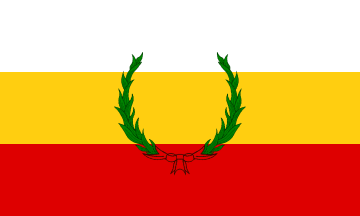
Flag
The flag of Salinas consists of four equal triangles in red, yellow, green, and blue, meeting at the center around a white diamond. The colors are derived from the municipal coat of arms and symbolize the municipality's history, fertile lands, natural resources, and its close relationship with the Caribbean Sea. The white diamond represents purity and the civic spirit of the people of Salinas.
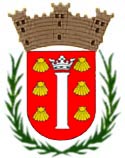
Coat of Arms
Santa Isabel's coat of arms incorporates heraldic elements representing the municipality's history, religious traditions, agriculture, and relationship with Puerto Rico's southern coastal region.
Anthem
The municipal anthem celebrates Santa Isabel, its people, landscape, traditions, and pride of place.
En un pedazo del sur estas presente...
Human & Capital Resources
Economy
Agriculture has historically been the foundation of Santa Isabel's economy. The municipality occupies part of Puerto Rico's fertile southern coastal plain, where extensive irrigation systems allow crops to be grown despite the region's relatively dry climate.
Sugar cane dominated much of the agricultural landscape during the nineteenth and twentieth centuries. Following the decline of Puerto Rico's sugar industry, local agriculture diversified into vegetables, tropical fruits, and other commercial crops.
Modern Santa Isabel also supports manufacturing, retail, construction, transportation, services, and small businesses. Its location near PR-52 provides convenient transportation connections with Ponce, Salinas, Guayama, and the San Juan metropolitan area.
Fishing and marine activities remain part of the economy of Santa Isabel's coastal communities, while restaurants, beaches, recreational boating, and natural areas contribute to a small but growing visitor economy.
Education
Public education in Santa Isabel is administered primarily by the Puerto Rico Department of Education, with schools serving students from the elementary through secondary levels.
Educational opportunities are also available in nearby municipalities. Ponce, approximately 25 minutes west of Santa Isabel, is one of southern Puerto Rico's major centers for higher education and is home to several universities and colleges.
Santa Isabel's agricultural setting also provides an important connection to Puerto Rico's agricultural sciences, food production, environmental conservation, and natural-resource management.
Demographics *
Population
20,281
Land Area: 34.02 sq mi
Density: 630.7 per sq mi
Median Age: 39.5
Sex: 52% female
Economics **
$11,413
Median household income: $20,000
Puerto Rico: $21,058
Persons below poverty line: 48.4%
Housing, families and educational attainment *
Number of households
7,368
Housing units density:
281.5 (2013)
Persons per household: 2.91
High school grad or higher: 82.8%
Marital status: 34% married
* U.S. Census Bureau 2020 data, unless otherwise noted - Source: Quick Facts Puerto Rico.
** U.S. Census Bureau 2016-2020
Map References
Coordinates: 17.9661° N, 66.4050° W
ZIP Code: 757
Driving Distance from San Juan: 63.1 miles
Driving Time: 1 hour, 32 minutes
Frequently Asked Questions
What is Santa Isabel, Puerto Rico known for?
Santa Isabel is known for its agricultural fields, baseball tradition, Caribbean coastline, Punta Petrona Natural Reserve, beaches, fishing communities, and the nickname La Tierra de Campeones.
Why is Santa Isabel called La Tierra de Campeones?
Santa Isabel has an exceptional sporting tradition, particularly in baseball. Major League players associated with the municipality include Carlos Correa, Benito Santiago, and José Guzmán.
When was Santa Isabel founded?
Santa Isabel was officially founded on October 5, 1842, after separating from the municipality of Coamo.
Where is Santa Isabel located?
Santa Isabel is located on Puerto Rico's southern coast, south of Coamo, east of Juana Díaz, and west of Salinas.
Does Santa Isabel have beaches?
Yes. Santa Isabel's coastline includes Jauca, Clavellina, Cortada, and Santa Isabel beaches, along with other coastal areas facing the Caribbean Sea.
What is Punta Petrona?
Punta Petrona is a protected coastal natural reserve containing mangroves, wetlands, shallow marine habitats, and nearby cays that provide important habitat for coastal and marine wildlife.
What crops are grown in Santa Isabel?
Santa Isabel is one of Puerto Rico's important agricultural areas. Sugar cane historically dominated the region, while today's farms produce vegetables, tropical fruits, and other commercial crops.
What can I do in Santa Isabel?
Visitors can explore the waterfront at El Malecón, visit local beaches, enjoy seafood and Puerto Rican cuisine, explore the agricultural countryside, experience local baseball culture, and discover the natural areas around Punta Petrona.
How far is Santa Isabel from San Juan?
Santa Isabel is approximately 65 miles south of San Juan. Driving typically takes around 1½ hours, depending on traffic and road conditions.
Do I need a car to visit Santa Isabel?
A car is strongly recommended. Santa Isabel's beaches, natural areas, agricultural countryside, restaurants, and neighboring south-coast destinations are spread across the municipality and surrounding region.
Did You Know?
Puerto Rico is the 30th most populated state in the United States.
Get Our Newsletter
Discover new places, local flavors, upcoming events, cultural stories, and some of our favorite finds from around the island.Read the Latest ¡La Isla! Newsletter
Follow Along


