
Peñuelas, Puerto Rico
(PAIN-wai-lahs)
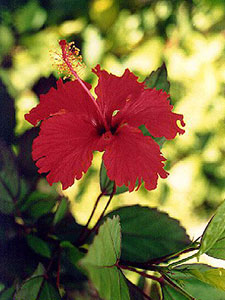
Peñuelas known as "La Capital del Güiro" (The Güiro Capital) and "Valle de los Flamboyanes" (valley of the flame trees), Peñuelas is a picturesque municipality on Puerto Rico's southern coast where mountain rivers, tropical forests, historic sugar estates, and the Caribbean Sea come together.
Founded in 1793 by Diego de Alvarado., Peñuelas developed from agricultural settlements established near Tallaboa Bay before expanding into the fertile interior valley.
Overview
Why Visit Peñuelas?
Visit Peñuelas for waterfalls, rivers, scenic mountain drives, coastal cays, historic sugar-industry landmarks, and authentic southern Puerto Rican culture away from the island's busiest tourist areas.
Top Things to Do in Peñuelas
La Soplaera
One of Peñuelas' best-known natural attractions, La Soplaera is a series of waterfalls and crystal-clear natural pools along the Río Guayanés in Barrio Jaguas. A marked trail leads from the parking area to the falls, surrounded by lush mountain scenery.
Salto Peñuelas
A scenic waterfall in Sector Barros surrounded by tropical vegetation and mountain terrain, offering another opportunity to experience the municipality's freshwater landscapes.
Museo Ramón Rivera
This local museum preserves the history and culture of Peñuelas through pre-Columbian and colonial artifacts, historic photographs, artwork, and objects connected to generations of peñolanos.
Historic Sugarcane Locomotive
Displayed near the Plaza de Recreo, this historic locomotive once transported sugarcane to Hacienda Dolores, also known as La Negra Cocola, and recalls Peñuelas' important role in Puerto Rico's sugar industry.
Plaza de Recreo de Peñuelas
The heart of the historic town center, surrounded by the parish church, municipal buildings, local businesses, monuments, and community gathering spaces.
Parque de Bombas de Peñuelas
A cultural and historic site featuring a monument to Pedro Albizu Campos, a tribute to the unknown soldier, and a Spanish cannon connected to the municipality's military and civic history.
Tallaboa Bay
The coastal area where Peñuelas' earliest settlements developed, Tallaboa Bay reflects the municipality's maritime, fishing, agricultural, and industrial history.
Offshore Cays
Small uninhabited cays off the Peñuelas coast—including Cayo Parguera, Cayo Río, Cayo Caribe, Cayo Palomas, and Cayo María Langa—offer opportunities for kayaking, boating, birdwatching, and exploring marine ecosystems.
Plan your Visit
Located on Puerto Rico's southern coast, Peñuelas is best explored by car, allowing visitors to combine waterfalls, mountain roads, historic sites, and coastal scenery in one trip.
Getting There
By Air
Mercedita International Airport (PSE) in Ponce is the closest commercial airport, approximately 25–30 minutes from Peñuelas. Luis Muñoz Marín International Airport (SJU) is roughly two hours away by car.
By Car
PR-2 is the principal highway serving Peñuelas, connecting the municipality with Ponce to the east and Guayanilla to the west. PR-132, PR-127, PR-385, and other mountain roads provide access to the interior barrios and natural attractions.
Getting Around
Rental Car
A rental car is strongly recommended because Peñuelas' waterfalls, mountain attractions, coastal areas, and rural communities are spread across the municipality.
Taxis & Rideshare
Taxis and rideshare may be available, but service can be limited compared with San Juan.
Walking
The plaza, parish church, museum, monuments, and historic locomotive can be explored on foot within the town center.
Nature & Resources
Geography
Peñuelas lies along Puerto Rico's southern coast, bordered by Adjuntas to the north, Ponce to the east, Guayanilla to the west, and the Caribbean Sea to the south. Although its southern sector forms part of the coastal plain, the northern half rises into the mountainous interior of the Cordillera Central. This transition creates a varied landscape of coastal wetlands, fertile valleys, rivers, steep hills, and forested mountain terrain. :contentReference[oaicite:9]{index=9}
Rivers, Cays & Natural Resources
Peñuelas is crossed by several important rivers, including the Río Macaná, Río Tallaboa, and Río Guayanés. These waterways descend from the mountainous interior toward the Caribbean Sea, creating waterfalls, pools, fertile valleys, and important wildlife habitats. La Soplaera, located along the Río Guayanés, is one of the municipality's most popular natural swimming areas. :contentReference[oaicite:10]{index=10}
Along the coast, Peñuelas also includes several small offshore cays such as Cayo Parguera, Cayo Río, Cayo Caribe, Cayo Palomas, and Cayo María Langa. These uninhabited islands support marine life, birds, mangroves, and recreational activities such as kayaking and boating. :contentReference[oaicite:11]{index=11}
Neighborhoods & Barrios
Peñuelas is made up of 13 barrios (PDF) (wards/districts):
- Barreal
- Coto
- Cueva
- Encarnación
- Jaguas
- Macaná
- Pueblo
- Quebrada Ceiba
- Rucio, Santo Domingo
- Tallaboa Alta
- Tallaboa Poniente
- Tallaboa Saliente
Climate
Peñuelas has a warm tropical climate throughout the year, with hotter and drier conditions along the southern coast and cooler, wetter weather in the mountainous north. This variation supports everything from coastal mangroves and dry-forest vegetation to lush river valleys and flamboyant trees. The contrast in elevation also makes it possible to enjoy warm Caribbean scenery and cooler mountain landscapes within the same municipality.
10 Day Forecast from weather.com
Where to Stay
- Cabañas del Rucio
- Hacienda Villa Flor
- Villas Mar Azure
- Casa Tabù
- Royal Delonix Hotel
Local Flavors & Festivities
Where to Eat
- Tiempo Fuera Restaurante
- Delicias en el Campo
- El Resbalón Barra y Restaurant
- Sushi Temptation
- Santino's Churrasquería Argentina
- Dulce Cafe
- Panadería Anmarys
- El Dulce Criollo
- La Esquina Café
Festivals and Events
Displaying 8 results.
-
Festival Diversión Sin Limites
- April
Community festival featuring recreational activities, music, entertainment, food, and family programming.
-
Fiesta Nacional del Güiro
- May
Signature celebration honoring the güiro, one of Puerto Rico's traditional percussion instruments, with live music, folkloric performances, artisan demonstrations, cultural exhibits, and family activities.
-
Fiestas de Cruz
- May
Traditional May celebration featuring religious and cultural activities, music, community gatherings, and local customs.
-
Festival del Flamboyán
- June
Celebration inspired by Peñuelas' nickname Valle de los Flamboyanes, featuring music, artisans, local food, community activities, and the municipality's colorful natural heritage.
-
Festival del Niño
- August
Family-oriented celebration featuring children's activities, entertainment, games, music, and community programming.
-
Fiestas Patronales de San Jose
- September
Annual patron saint celebration honoring San José with religious observances, live music, traditional food, artisan vendors, carnival attractions, and family activities.
-
Fiestas de Pueblo
- October
Community celebration featuring music, local cuisine, artisans, entertainment, and cultural activities in the town center.
-
Las Cantatas
- December
Holiday musical celebration featuring choral performances, Christmas music, community gatherings, and seasonal traditions.
History
Before Spanish colonization, the region surrounding present-day Peñuelas was associated with Taíno communities and several local caciques. During the first half of the eighteenth century, settlers began establishing farms near the mouth of the Río Tallaboa, taking advantage of the fertile valley and access to the Caribbean Sea.
By 1788, approximately 80 families were living in the area, raising livestock and cultivating the land. Because the coastal settlement was vulnerable to attacks by pirates and corsairs, residents gradually moved inland toward the location of today's town center. In 1793, the settlement was formally recognized as San José de Peñuelas and a parish was established. :contentReference[oaicite:15]{index=15}
Agriculture drove Peñuelas' growth throughout the nineteenth century, with coffee, tobacco, sugarcane, livestock, and other crops supporting the local economy. Several sugar estates and mills operated in the municipality, and Tallaboa Bay played an important role in fishing, trade, and later industrial development. During the twentieth century, Peñuelas became part of Puerto Rico's southern petrochemical corridor before gradually diversifying its economy. :contentReference[oaicite:16]{index=16}
Moments in History
Settlers establish agricultural communities near the mouth of the Río Tallaboa, taking advantage of the fertile valley and access to the Caribbean Sea.
The developing settlement includes approximately 80 families engaged in farming and livestock raising.
The town is formally recognized as San José de Peñuelas and establishes its parish, marking the beginning of the modern municipality.
Local tradition associates the Santo Cristo de la Salud with protection of Peñuelas during a destructive earthquake and coastal flooding, an event later incorporated into the municipality's coat of arms.
Coffee, tobacco, sugarcane, cattle, and retail commerce drive economic growth, while several sugar estates operate throughout the municipality.
Tallaboa and the southern coast become part of Puerto Rico's expanding petrochemical and industrial corridor.
Peñuelas adopts its municipal flag and coat of arms, incorporating symbols of the sun, Christian faith, the sea, and local traditions.
Peñuelas preserves its identity as "La Capital del Güiro" and "Valle de los Flamboyanes" while promoting its cultural traditions, mountain landscapes, rivers, waterfalls, and outdoor attractions as part of a growing rural and nature-based tourism economy.
Notable People
Peñuelas has produced distinguished writers, educators, scholars, public servants, and intellectuals whose contributions have enriched Puerto Rico's cultural and civic life.
Famous Peñolanos
Lorenzo A. Balasquide
1899–
Medicine • History • Literature
Physician, writer, and historian born in Peñuelas. He documented the municipality's history and authored works including Compendio intrahistórico de Peñuelas.
Luis Díaz Hernández
History • Literature
Writer and historian associated with Peñuelas whose work contributed to the study and preservation of Puerto Rican history.
Egla Morales Blouin
Literature • Education
Poet and educator who taught Spanish, French, and Latin in Texas and New York.
Guillermo Rivera
Literature • Academia
Bibliographer, essayist, translator, and educator who taught at Harvard and Cornell universities.
Alfonso Santiago Cruz
Education • Academia
Educator who served as dean of the College of Arts and Humanities at the Catholic University of Puerto Rico in Ponce.
José Novoa González
Public Service • Politics
Public servant who represented Puerto Rico's House District 23 from 1973 to 1976.
City Symbols

Flag
Adopted in 1974, the flag of Peñuelas features a vivid yellow field representing the sun and physical life. A purple cross extends across the flag, symbolizing Christianity, the Church, and spiritual life. :contentReference[oaicite:19]{index=19}
Coat of Arms
Peñuelas' coat of arms uses a yellow background representing the sun and a central cross associated with the Santo Cristo de la Salud. Blue and white waves represent the turbulent sea and recall local tradition surrounding the earthquake and flooding of 1867. A mural crown represents the municipality, while the motto "En Dios Confiamos" reflects its Christian heritage. :contentReference[oaicite:20]{index=20}
Anthem
Así Es Mi Pueblo, written by José Tony Santos, is the municipal anthem of Peñuelas. It celebrates the municipality's mountains, waterways, güiro tradition, musicians, artisans, poets, hospitality, and strong community spirit. :contentReference[oaicite:21]{index=21}
Human & Capital Resources
Economy
Peñuelas' economy has historically been rooted in agriculture, including coffee, sugarcane, tobacco, livestock, fishing, and smaller food crops. Its fertile valleys and proximity to Tallaboa Bay helped support farming, sugar estates, maritime activity, and local commerce throughout the nineteenth and early twentieth centuries.
During the 1950s, Peñuelas became part of Puerto Rico's southern petrochemical and industrial corridor. Today, the municipality has a more diversified economy supported by agriculture, fishing, manufacturing, construction, retail, government services, restaurants, and small businesses. Tourism is also gaining importance as visitors discover La Soplaera, Salto Peñuelas, mountain retreats, cultural attractions, and the coastal cays. :contentReference[oaicite:23]{index=23}
Education
Education in Peñuelas is provided through public and private elementary, middle, and high schools, with public schools administered by the Puerto Rico Department of Education. Students pursuing higher education have convenient access to institutions in nearby Ponce, including the Pontifical Catholic University of Puerto Rico, the University of Puerto Rico at Ponce, and the Inter American University of Puerto Rico – Ponce Campus, as well as technical and vocational institutions throughout Puerto Rico's southern region.
Demographics *
Population
20,399
Land Area: 44.62 sq mi
Density: 443.7 per sq mi
Median Age: 39.7
Sex: 52% female
Economics **
$9,729
Median household income: $17,313
Puerto Rico: $21,058
Persons below poverty line: 54.5%
Housing, families and educational attainment *
Number of households
6,855
Housing units density:
206.6 (2013)
Persons per household: 2.89
High school grad or higher: 73.6%
Marital status: 39% married
* U.S. Census Bureau 2020 data, unless otherwise noted - Source: Quick Facts Puerto Rico.
** U.S. Census Bureau 2016-2020
Map References
Coordinates: 18.0594° N, 66.7225° W
ZIP Code: 624
Driving Distance from San Juan: 86.8 miles
Driving Time: 2 hours, 8 minutes
Frequently Asked Questions
Where is Peñuelas located?
Peñuelas is located on Puerto Rico's southern coast, between Ponce and Guayanilla, with Adjuntas to the north and the Caribbean Sea to the south.
What is Peñuelas known for?
Peñuelas is known as "La Capital del Güiro" and "Valle de los Flamboyanes" and is celebrated for its waterfalls, rivers, mountain scenery, historic sugar-industry landmarks, güiro tradition, and coastal cays.
What are the top attractions in Peñuelas?
Popular attractions include La Soplaera, Salto Peñuelas, Museo Ramón Rivera, the historic sugarcane locomotive, Plaza de Recreo, Tallaboa Bay, and the municipality's offshore cays.
Can you swim at La Soplaera?
Yes. La Soplaera features natural freshwater pools along the Río Guayanés. Visitors should check weather and river conditions before entering the water, particularly after heavy rainfall.
Why is Peñuelas called "La Capital del Güiro"?
The nickname reflects the municipality's strong tradition of making, playing, and celebrating the güiro, one of Puerto Rico's most recognizable traditional percussion instruments.
Why is Peñuelas called "Valle de los Flamboyanes"?
The nickname refers to the flamboyant trees that brighten the municipality's valleys and countryside with vivid red and orange flowers during their blooming season.
What are people from Peñuelas called?
Residents of Peñuelas are known as peñolanos and peñolanas.
What festivals are celebrated in Peñuelas?
Traditional celebrations include the Fiesta Nacional del Güiro, Festival del Flamboyán, Fiestas de Cruz, community festivals, Christmas cantatas, and the municipality's annual patron saint festivities.
Is Peñuelas worth visiting?
Yes. Peñuelas offers a distinctive combination of waterfalls, mountain scenery, history, cultural traditions, rural food, and Caribbean coastal landscapes with fewer crowds than many of Puerto Rico's better-known destinations.
Did You Know?
The Governor resides at La Fortaleza in Old San Juan, the oldest executive mansion in continuous use in the Western Hemisphere.
Get Our Newsletter
Discover new places, local flavors, upcoming events, cultural stories, and some of our favorite finds from around the island.Read the Latest ¡La Isla! Newsletter
Follow Along


