
Moca, Puerto Rico
(MO-kah)
Known as "La Capital del Mundillo" (The Capital of Bobbin Lace), Moca is a picturesque municipality in Puerto Rico's northwestern region where centuries-old artisan traditions meet rolling hills, caves, rivers, and rich agricultural landscapes. Founded on June 22, 1772, Moca is internationally recognized for preserving the intricate art of mundillo, a handcrafted lace-making tradition passed down through generations.
Beyond its famous lacework, Moca offers visitors scenic countryside, historic churches, limestone caves, coffee farms, rivers, and authentic Puerto Rican cuisine. The municipality's relaxed pace and strong cultural identity make it an ideal destination for travelers seeking a genuine small-town experience in western Puerto Rico.
Overview
Why Visit Moca?
Moca offers visitors a unique combination of living artisan traditions, beautiful mountain scenery, caves, rivers, local gastronomy, and welcoming small-town charm. It is one of Puerto Rico's best destinations for experiencing authentic culture away from the island's busiest tourist areas.
Top Things to Do in Moca
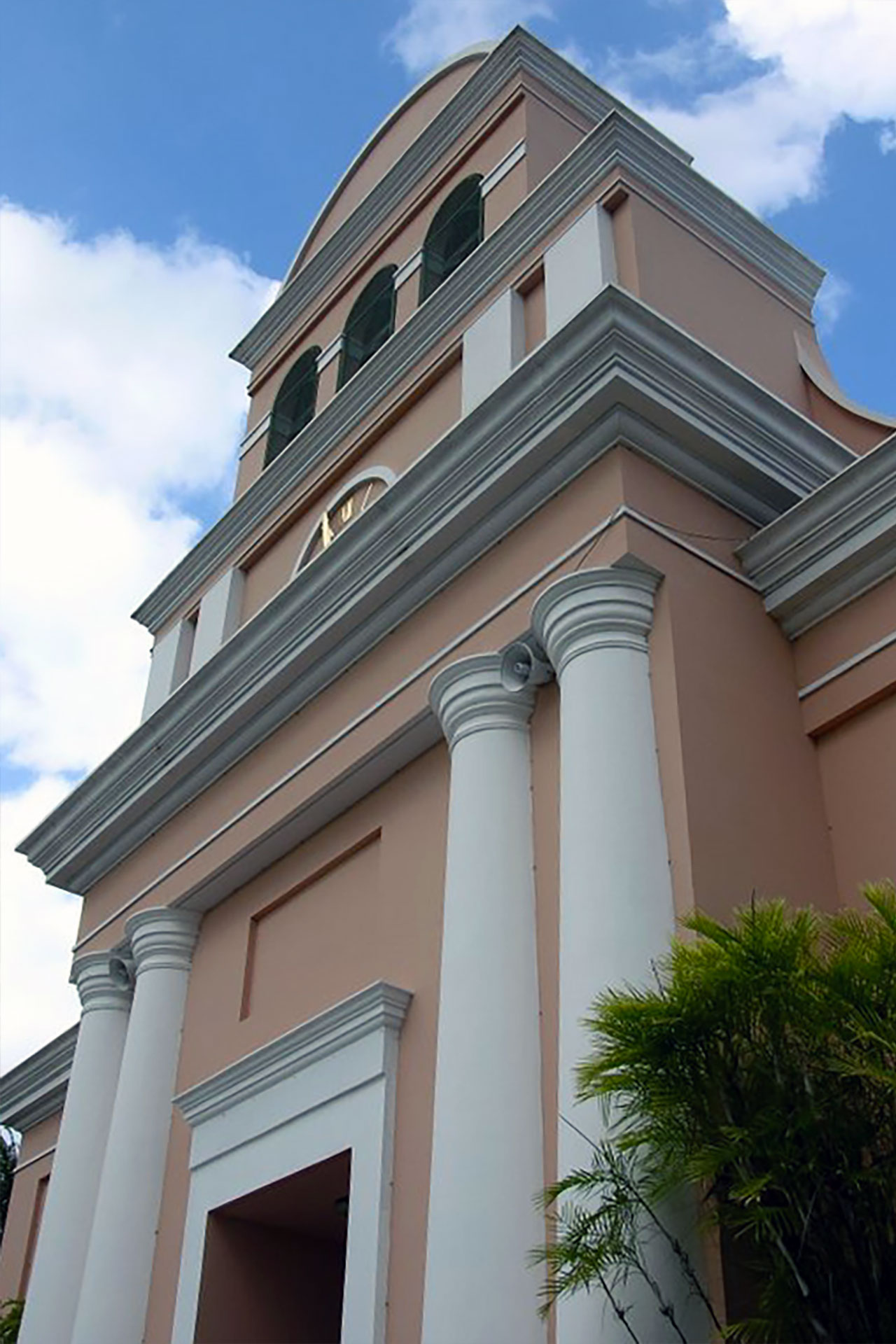
Iglesia San Juan Nepomuceno, photo by Manuel Santiago
Museo del Mundillo
Puerto Rico's only museum dedicated to the centuries-old art of bobbin lace (mundillo). Visitors can explore exhibits, watch artisan demonstrations, and learn why Moca is known as the "Capital del Mundillo."
Iglesia Nuestra Señora de la Monserrate
This beautiful historic church overlooks Moca's central plaza and has been a designated Puerto Rico Historic Monument since 1996.
Plaza José D. Quiñones
The heart of downtown Moca, surrounded by restaurants, bakeries, artisan shops, and historic buildings. Throughout the year the plaza hosts festivals, concerts, and community events.
Palacete Los Moreau
One of western Puerto Rico's most distinctive historic mansions. Also known as Hacienda Labadie, this French-inspired estate now serves as a museum showcasing Moca's coffee and sugar heritage.
Hacienda Museo Enriqueta
The former Enriqueta Sugar Mill preserves Moca's agricultural history through historic buildings, gardens, machinery, and exhibits from Puerto Rico's sugar era.
Monumento al Mundillo
A monument honoring Moca's internationally recognized bobbin lace tradition and the artisans who have preserved this cultural heritage for generations.
Parque La Moca
A large recreational park with walking paths, sports facilities, playgrounds, swimming pools, and picnic areas for the whole family.
Cueva del Viento
A limestone cave that showcases the municipality's karst landscape and offers a glimpse into Moca's natural geology.
Cueva Los Murciélagos
A natural cave featuring impressive limestone formations and native bat populations, popular with outdoor enthusiasts.
Pozo de la Virgen
A peaceful natural spring and religious site associated with local tradition and surrounded by lush vegetation.
Plan your Visit
Located in Puerto Rico's scenic northwest region, Moca is best explored by car, with a walkable downtown surrounded by artisan shops, historic landmarks, and beautiful countryside.
Getting There
By Air
Rafael Hernández Airport (BQN) in Aguadilla is approximately 20 minutes from Moca, making it the closest airport. Luis Muñoz Marín International Airport (SJU) is about a 2-hour drive.
By Car
Moca is easily reached via PR-111, PR-125, PR-420, and PR-2 from nearby Aguadilla, Aguada, Isabela, and San Sebastián. Driving is the most convenient way to explore the municipality and surrounding attractions.
Getting Around
Rental Car
A rental car is recommended for visiting Moca's museums, caves, artisan workshops, coffee countryside, and neighboring western municipalities.
Taxis & Rideshare
Taxis and rideshare may be available, but service can be limited compared with San Juan.
Walking
Downtown Moca is easy to explore on foot, with the central plaza, historic church, Museo del Mundillo, bakeries, cafés, and local shops all within walking distance.
Nature & Resources
Geography
Moca is located in Puerto Rico's northwestern region, bordered by Aguadilla to the north, Aguada to the west, Isabela to the east, and San Sebastián to the south. Covering approximately 51 square miles (132 km²), the municipality is characterized by gently rolling hills, fertile valleys, limestone formations, and an extensive karst landscape. The Río Culebrinas, one of western Puerto Rico's major rivers, flows through the municipality, helping shape its rich agricultural lands and natural ecosystems. Moca's scenic countryside, caves, and coffee-growing hills make it one of the most picturesque inland destinations in the region.
Neighborhoods & Barrios
Moca is made up of 11 barrios (PDF) (wards/districts):
- Aceitunas
- Capá
- Cerro Gordo
- Cruz
- Cuchillas
- Marías
- Naranjo
- Plata
- Pueblo
- Rocha
- Voladoras
Climate
Moca enjoys a warm tropical climate throughout the year, with average daytime temperatures ranging from the upper 70s to mid-80s°F (26–30°C). Thanks to its slightly higher elevation and inland location, temperatures are often a bit cooler than along Puerto Rico's nearby coastline. Rainfall is distributed throughout the year, supporting the municipality's lush vegetation, fertile farmland, and coffee-growing regions. The pleasant climate makes Moca an excellent destination for outdoor activities, sightseeing, and exploring its natural and cultural attractions during any season.
10 Day Forecast from weather.com
Where to Stay
- Parador El Faro (Aguadilla)
- Hotel Hidden Village (Aguada)
- Parador Villa Antonio (Aguadilla)
- Courtyard by Marriott (Aguadilla)
- Punta Borinquen Resort
- Villa Montaña Beach Resort (Isabela)
Vacation Rentals
Vacation rentals are popular with families, groups, and travelers planning extended beach vacations.
Local Flavors & Festivities
Where to Eat
- Restaurante El Rincón de Moca
- El Bohío Criollo
- El Sazón de Mi Viejo
- Romano's Pizza
- Pizzeria Moca
- Friends Café & Bistro
- Panadería Moca
- Café del Pueblo
- Panadería La Monserrate
Festivals and Events
Displaying 5 results.
-
Festival del Camarón
- May
Celebrates Puerto Rico's freshwater shrimp tradition with local cuisine, cooking demonstrations, artisan vendors, live music, family activities, and cultural entertainment.(787) 877-2270
-
Fiestas Patronales de Nuestra Señora de la Monserrate
- August
Annual patron saint festival honoring Our Lady of Monserrate with religious processions, concerts, carnival rides, artisan vendors, traditional Puerto Rican food, and family entertainment.(787) 877-2270
-
Festival del Mundillo
- November
Moca's signature festival celebrating its world-famous bobbin lace (mundillo) tradition with artisan exhibits, weaving demonstrations, workshops, fashion shows, traditional music, local cuisine, and handcrafted lace products.(787) 818-0105
-
Festival de Máscaras y Parrandas de los Inocentes
- December
Traditional holiday celebration featuring colorful masks, Christmas parrandas, music, dancing, and community festivities that preserve one of Moca's most unique cultural traditions.(787) 877-2270
-
Parranda de los Enchaquetaos
- December
One of Puerto Rico's most distinctive Christmas traditions featuring costumed musicians, parrandas, the lighting of the town Christmas tree, traditional aguinaldos, and festive celebrations throughout downtown Moca.(787) 877-2270
History
Before the arrival of the Spanish, the area now known as Moca was inhabited by Taíno communities who settled near fertile valleys, rivers, and limestone hills. During the Spanish colonial period, agriculture became the foundation of the local economy, with coffee, sugarcane, tobacco, and livestock shaping the municipality's development.
Founded on June 22, 1772, Moca gradually became known for producing some of Puerto Rico's finest handcrafted mundillo (bobbin lace). Introduced by Spanish settlers, this delicate lace-making tradition flourished through generations of local artisans and eventually earned Moca the title "La Capital del Mundillo." Today, the municipality proudly preserves this cultural heritage while celebrating its agricultural roots, historic landmarks, and natural beauty.
Moments in History
Taíno communities settled throughout the region, taking advantage of fertile valleys, rivers, and the area's abundant natural resources.
On June 22, 1772 Moca is officially founded as a municipality under Spanish colonial rule, by José de Quiñones.
Coffee, sugarcane, and livestock become the foundation of the local economy while the art of mundillo flourishes among local artisans.
Moca gains international recognition as Puerto Rico's "Capital del Mundillo," preserving one of the island's most treasured artisan traditions.
Visitors come to experience Moca's artisan heritage, historic landmarks, beautiful countryside, caves, and welcoming small-town atmosphere.
Notable People
The people of Moca have made important contributions to Puerto Rico's literature, music, sports, politics, and the arts. Their achievements continue to shape the municipality's rich cultural heritage.
Famouse Moqueños
Enrique Laguerre
1906–2005
Literature
One of Puerto Rico's most celebrated novelists, essayists, and educators. Laguerre authored more than twenty books, including La Llamarada, considered a classic of Puerto Rican literature.
Antonio Caban Vale "El Topo"
1942–Present
Music
Singer, songwriter, and composer best known for the patriotic song Verde Luz, regarded as one of Puerto Rico's most beloved musical compositions.
Luis Hernández Aquino
1907–1988
Literature
Poet, journalist, historian, and educator whose writings celebrated Puerto Rican history, culture, and national identity.
City Symbols
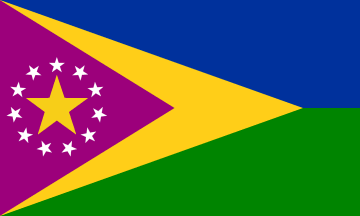
Flag
Moca's flag features the traditional colors and symbols found in the municipal coat of arms, representing the municipality's history, agricultural heritage, and strong cultural identity.
Coat of Arms
The coat of arms reflects Moca's Spanish heritage, agricultural traditions, and religious roots. Symbols within the shield honor the municipality's patron saint, fertile lands, and the craftsmanship that earned Moca recognition as Puerto Rico's Capital of Mundillo.
Anthem
Moca is the municipality's official anthem, celebrating its people, artisan traditions, rich history, and beautiful countryside.
Doce barrios, doce estrellas...
Economy
Moca's economy has traditionally been rooted in agriculture, particularly coffee, dairy farming, cattle ranching, fruits, and vegetables. Today, manufacturing, retail, healthcare, education, and small businesses complement the agricultural sector. The municipality is also recognized for its artisan economy, with the production of handmade mundillo lace remaining an important cultural and economic tradition. Tourism centered on local festivals, historic sites, and artisan craftsmanship continues to contribute to Moca's economic growth.
Education
Education in Moca is provided through a network of public and private elementary, middle, and high schools operated by the Puerto Rico Department of Education. Students pursuing higher education have convenient access to nearby institutions including the University of Puerto Rico at Aguadilla (UPRAg), the University of Puerto Rico at Mayagüez (UPRM), Inter American University of Puerto Rico – Aguadilla Campus, and several technical and vocational schools serving Puerto Rico's northwest region.
Demographics *
Population
37,460
Land Area: 50.34 sq mi
Density: 706.1 per sq mi
Median Age: 41
Sex: 51% female
Economics **
$11,214
Median household income: $16,033
Puerto Rico: $21,058
Persons below poverty line: 53.3%
Housing, families and educational attainment *
Number of households
13,482
Housing units density:
333.7 (2013)
Persons per household: 2.62
High school grad or higher: 70.2%
Marital status: 48% married
* U.S. Census Bureau 2020 data, unless otherwise noted - Source: Quick Facts Puerto Rico.
** U.S. Census Bureau 2016-2020
Map References
Coordinates: 18.3947° N, 67.1133° W
ZIP Code: 676
Driving Distance from San Juan: 87 miles
Driving Time: 2 hours, 11 minutes
Frequently Asked Questions
Where is Moca located?
Moca is located in Puerto Rico's northwest region, bordering Aguadilla, Aguada, Isabela, and San Sebastián.
What is Moca known for?
Moca is best known as Puerto Rico's "Capital del Mundillo", recognized for preserving the island's traditional bobbin lace craftsmanship.
What is mundillo?
Mundillo is a traditional form of handmade bobbin lace introduced by Spanish settlers. Moca has become Puerto Rico's leading center for preserving and promoting this centuries-old artisan craft.
What are the top attractions in Moca?
Popular attractions include the Museo del Mundillo, Iglesia Nuestra Señora de la Monserrate, Palacete Los Moreau, Hacienda Museo Enriqueta, Plaza José D. Quiñones, and Cueva del Viento.
What festivals are celebrated in Moca?
Major annual events include the Festival del Mundillo, Festival del Camarón, Fiestas Patronales de Nuestra Señora de la Monserrate, and the Parranda de los Enchaquetaos.
What are people from Moca called?
Residents of Moca are known as moqueños and moqueñas.
Can visitors watch mundillo demonstrations?
Yes. Visitors can learn about the history of mundillo and often watch artisans create handmade lace at the Museo del Mundillo and during cultural festivals.
What is the best time to visit Moca?
Moca is a year-round destination, but November is especially popular during the Festival del Mundillo, while the cooler months are ideal for exploring the countryside and historic downtown.
Does Moca have caves?
Yes. Moca's limestone landscape includes caves such as Cueva del Viento and Cueva Los Murciélagos, reflecting the municipality's rich karst geology.
Is Moca worth visiting?
Absolutely. Moca offers visitors a unique blend of artisan traditions, history, beautiful countryside, local cuisine, and authentic Puerto Rican culture away from the island's busiest tourist destinations.
Did You Know?
Daylight Savings Time is not observed in Puerto Rico.
Get Our Newsletter
Discover new places, local flavors, upcoming events, cultural stories, and some of our favorite finds from around the island.Read the Latest ¡La Isla! Newsletter
Follow Along


