
Lares, Puerto Rico
(LAH-res)
Located in the mountains of Puerto Rico's west-central region, Lares is known as "El Pueblo del Grito" (city of the cry) and proudly serves as the birthplace of the Grito de Lares, the historic 1868 uprising that became the island's most enduring symbol of the struggle for freedom and self-determination.
Lares was founded in April 26, 1827 by Francisco de Sotomayor and Pedro Vélez Borrero. The city was named after one of its settlers, Don Amador de Lariz. Lares combines breathtaking mountain scenery, coffee plantations, caves, waterfalls, and rich cultural traditions with one of Puerto Rico's most important historical legacies. Visitors discover charming plazas, colonial architecture, artisan shops, local cuisine, and a community that continues to honor the ideals of courage, resilience, and national pride.
Overview
Why Visit Lares?
Lares is one of Puerto Rico's most meaningful destinations for travelers interested in history, culture, and the island's mountainous interior. Best known as the birthplace of the Grito de Lares, the municipality offers visitors an opportunity to walk where one of Puerto Rico's defining historical events unfolded while experiencing the beauty and hospitality of the central mountains.
Beyond its revolutionary history, Lares is celebrated for its coffee heritage, scenic countryside, artisan traditions, caves, mountain landscapes, and one of Puerto Rico's most famous ice cream shops. Together, these attractions create a destination that appeals equally to history enthusiasts, nature lovers, and families exploring beyond the island's beaches.
Top Things to Do in Lares
Plaza de la Revolución
The historic heart of Lares serves as the community gathering place and commemorates the municipality's role in Puerto Rico's fight for independence. The plaza is surrounded by historic buildings, monuments, restaurants, and local shops.
Museo del Grito de Lares
Located in the former City Hall where revolutionary leaders proclaimed the Republic of Puerto Rico in 1868, the museum preserves artifacts, documents, and exhibits that tell the story of the Grito de Lares and its lasting impact on Puerto Rican history.
Monumento al Grito de Lares
This important monument honors the men and women who participated in the 1868 uprising and serves as a lasting symbol of courage, patriotism, and the pursuit of freedom.
Iglesia San José
Overlooking the town plaza, this beautiful nineteenth-century church remains one of Lares' most recognizable architectural landmarks and continues to serve the local community.
Heladería de Lares
One of Puerto Rico's most famous ice cream shops, Heladería de Lares attracts visitors from across the island with hundreds of creative flavors ranging from tropical fruits to unique local ingredients.
Hacienda Lealtad
One of Puerto Rico's oldest working coffee plantations, Hacienda Lealtad offers visitors an opportunity to learn about traditional coffee cultivation while exploring beautifully preserved historic grounds.
Cueva Juan Miguel
Located just outside the urban center, this impressive cave system showcases spectacular limestone formations and highlights the natural beauty that surrounds Lares.
Plan your Visit
Situated in Puerto Rico's scenic west-central mountains, Lares is best explored by car and makes an excellent destination for history enthusiasts, coffee lovers, and nature seekers.
Getting There
By Air
Rafael Hernández Airport (BQN) in Aguadilla is approximately 1 hour away by car, while Luis Muñoz Marín International Airport (SJU) is about 2 hours from Lares. Both airports offer rental car services.
By Car
Lares is accessible via PR-111, PR-129, and PR-140, connecting the municipality with Utuado, San Sebastián, Camuy, Adjuntas, and other towns throughout Puerto Rico's central mountains.
Getting Around
Rental Car
A rental car is highly recommended to explore Lares' mountain roads, coffee haciendas, historic sites, scenic overlooks, and nearby natural attractions.
Taxis & Rideshare
Taxis and rideshare may be available, but service can be limited compared with San Juan.
Walking
The historic district surrounding Plaza de la Revolución is easily explored on foot, with museums, restaurants, cafés, shops, and monuments located within a short walking distance.
Nature & Resources
Geography
Lares is located in Puerto Rico's west-central mountainous region and encompasses approximately 61 square miles (158 km²). The municipality is bordered by Camuy, Hatillo, and Utuado to the north, San Sebastián to the west, Maricao to the south, and Adjuntas and Utuado to the east.
Its landscape is characterized by rugged mountains, deep valleys, coffee plantations, rivers, forests, and limestone formations. The municipality's higher elevations provide cooler temperatures than many coastal areas, making Lares a refreshing destination throughout the year.
Rivers & Natural Resources
Several rivers and streams flow through Lares, including portions of the Río Grande de Arecibo watershed. These waterways have long supported agriculture and contribute to the municipality's fertile valleys and abundant vegetation.
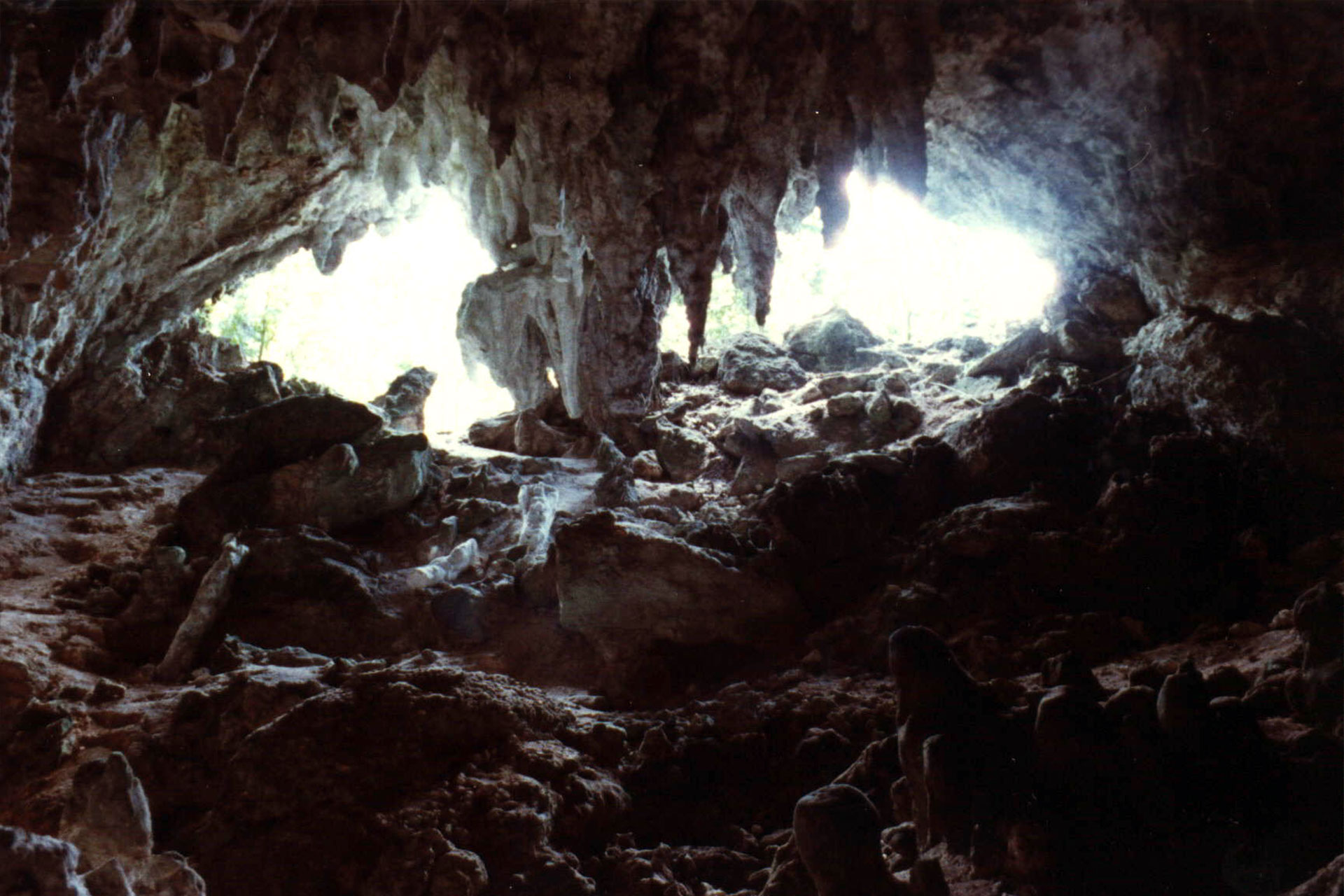
Karst Landscapes & Caves
Lares is home to numerous limestone caves and underground waterways that form part of Puerto Rico's extensive karst region. Among them are Cueva El Humo, Cueva Juan Miguel, and several caves associated with the Río Camuy cave system, highlighting the municipality's rich geological heritage. Many of these caves are protected natural resources and are not developed for public access.
Neighborhoods & Barrios
Lares is made up of 11 barrios (PDF) (wards/districts):
- Bartolo
- Buenos Aires
- Callejones
- Espino
- Lares
- La Torre
- Mirasol
- Pezuela
- Piletas
- Pueblo
- Río Prieto
Climate
Lares enjoys a tropical mountain climate with warm days, cooler evenings, and abundant rainfall throughout the year. The combination of elevation and precipitation creates ideal conditions for coffee cultivation and supports the municipality's lush forests and agricultural landscape.
10 Day Forecast from weather.com
Where to Stay
- Hacienda Lealtad
- Parador Villas Sotomayor (Adjuntas)
Vacation Rentals
Vacation rentals are popular with families, groups, and travelers planning extended beach vacations.
Local Flavors & Festivities
Where to Eat
- Ariel's Grill
- El Pollito Chicken Express
- Restaurante Raíces
- Pizzería Lares
- La Terraza
- Heladería de Lares
- Panadería Lares Bakery
Festivals and Events
Displaying 6 results.
-
Festival de la Almojbana
- March
Celebrates one of Puerto Rico's most beloved traditional pastries with almojabana tastings, local cuisine, artisan vendors, live music, cultural performances, and family-friendly activities in the historic town center.
-
Festival Nacional del Guineo
- June
One of Puerto Rico's premier agricultural festivals celebrating the banana with cooking demonstrations, food competitions, artisan markets, live music, traditional cuisine, agricultural exhibits, and family activities in Plaza de los Patriotas.
-
Aniversario del Grito de Lares
- September
Commemorates the historic 1868 uprising known as El Grito de Lares with patriotic ceremonies, historical reenactments, educational programs, concerts, artisan fairs, and cultural performances honoring Puerto Rico's fight for freedom.
-
Festival de Lares
- September
A cultural celebration featuring live music, traditional Puerto Rican food, artisans, folkloric performances, and community activities that coincide with the municipality's historic Grito de Lares commemorations.
-
Festival de la Hacienda Radaban
- October
Celebrates Lares' rural heritage with agricultural exhibits, traditional foods, live entertainment, artisan vendors, and family activities highlighting the municipality's mountain culture.
-
Fiestas Patronales de San Jose
- December
Lares celebrates its patron saint festival with religious observances, live music, artisan markets, carnival rides, traditional Puerto Rican cuisine, and family-friendly entertainment in Plaza de los Patriotas.
History
Founded on April 26, 1827, Lares was established from portions of the municipalities of San Sebastián and Hatillo to better serve the growing population settling Puerto Rico's mountainous interior. The fertile valleys, abundant rainfall, and cooler climate quickly made the region well suited for coffee cultivation, agriculture, and livestock, attracting farmers and merchants throughout the nineteenth century.
Lares occupies a unique place in Puerto Rican history as the birthplace of the Grito de Lares, the island's most significant nineteenth-century independence movement. On the night of September 23, 1868, a group of revolutionaries led by figures including Ramón Emeterio Betances, Segundo Ruiz Belvis, Francisco Ramírez Medina, and Manuel Rojas launched an uprising against Spanish colonial rule.
The revolutionaries seized the town, proclaimed the Republic of Puerto Rico, and raised what became known as the first Puerto Rican flag, embroidered by Mariana Bracetti. Francisco Ramírez Medina was declared the first President of the Republic of Puerto Rico. Although Spanish authorities suppressed the revolt within days, the Grito de Lares became a lasting symbol of Puerto Rican identity, resilience, and the desire for self-determination.
Following the Spanish-American War of 1898, Lares continued developing as one of Puerto Rico's principal coffee-producing municipalities. While agriculture remained the foundation of the local economy for many decades, the municipality gradually diversified into commerce, education, tourism, and small manufacturing. Today, Lares proudly preserves its revolutionary heritage while welcoming visitors to discover its mountain landscapes, coffee traditions, historic landmarks, and vibrant cultural celebrations.
Moments in History
Taíno communities inhabited the region long before European settlement, taking advantage of the fertile valleys, rivers, and mountain forests.
Lares was officially established on April 26, 1827, becoming an important agricultural municipality in Puerto Rico's central mountains.
Coffee cultivation flourished throughout the mountainous region, transforming Lares into one of Puerto Rico's leading coffee-producing municipalities.
On September 23, Puerto Rican revolutionaries proclaimed the Republic of Puerto Rico in Lares during the historic uprising against Spanish colonial rule. Although the revolt was short-lived, it became one of the defining moments in Puerto Rican history.
Following the Spanish-American War, Puerto Rico became a territory of the United States, bringing political and economic changes that affected Lares and the rest of the island.
While coffee remained an important crop, Lares expanded into commerce, education, and tourism, helping diversify the local economy.
Lares continues to honor its revolutionary legacy while celebrating its coffee culture, mountain scenery, and traditions through museums, festivals, and community events.
Notable People
Lares has produced influential writers, musicians, educators, public servants, and cultural leaders whose accomplishments have enriched Puerto Rico's history, literature, arts, and national identity.
Famous Lareños
Francisco Ramírez Medina
1828–1880
Politics • History
Leader of the Grito de Lares uprising and proclaimed the first President of the Republic of Puerto Rico during the historic revolt of September 23, 1868.
Luis Hernández Aquino
1907–1988
Literature • Education
Poet, historian, educator, and essayist whose extensive literary work helped preserve Puerto Rican culture, history, and traditions throughout the twentieth century.
Odilio González
1937–2022
Music
Known as El Jibarito de Lares, the beloved singer became one of Puerto Rico's most recognized performers of traditional jíbaro and popular music.
Antonio Coll Vidal
1901–1967
Literature
Poet, novelist, playwright, and journalist whose literary contributions earned recognition from the Puerto Rican Institute of Literature and enriched the island's cultural heritage.
Clemente Soto Vélez
1905–1993
Poetry • Journalism
Poet, essayist, journalist, and nationalist leader who helped found Puerto Rico's Atalayismo literary movement and became one of the island's most influential twentieth-century intellectuals.
Luis Hernández Aquino
1907–1988
Literature • Education
Poet, linguist, historian, educator, and essayist whose extensive writings helped preserve Puerto Rico's language, history, and cultural traditions.
Francisco Matos Paoli
1915–2000
Poetry
One of Puerto Rico's most celebrated poets, Matos Paoli was also a prominent nationalist whose literary works explored faith, freedom, and Puerto Rican identity.
José Feliciano
1945–Present
Music
Grammy Award-winning singer, songwriter, and virtuoso guitarist whose international career includes the holiday classic Feliz Navidad. Born in Lares, he is one of Puerto Rico's most recognized musicians worldwide.
City Symbols
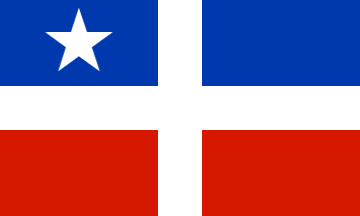
Flag
The flag of Lares features symbols and colors that reflect the municipality's revolutionary heritage, natural beauty, and enduring commitment to the ideals of freedom, courage, and civic pride.
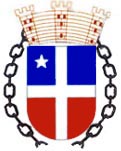
Coat of Arms
The coat of arms symbolizes Lares' history, fertile mountain landscape, and its pivotal role in Puerto Rico's independence movement, incorporating elements that honor the municipality's cultural and historical legacy.
Anthem
Lares' municipal anthem celebrates the town's revolutionary spirit, mountain heritage, and the pride of its people, paying tribute to the events of the Grito de Lares and the community's enduring cultural identity.
En las verdes montañas de Lares...
Human & Capital Resources
Economy
Agriculture has long shaped Lares' economy, with coffee becoming the municipality's signature crop during the nineteenth century. The fertile mountain soils and favorable climate continue to support coffee production alongside bananas, citrus fruits, vegetables, ornamental plants, and livestock.
Today, Lares' economy is more diversified, with retail businesses, healthcare, education, government services, construction, and small manufacturing providing employment opportunities for residents. Tourism also plays an increasingly important role, attracting visitors interested in Puerto Rico's history, coffee heritage, and mountain landscapes.
Local businesses, artisan shops, restaurants, and family-owned cafés contribute to the municipality's economy while preserving the authentic character that makes Lares one of Puerto Rico's most distinctive mountain destinations.
Education
Education has been an important part of Lares since its founding. The municipality is served by the Puerto Rico Department of Education, which operates elementary, intermediate, and high schools, along with several private educational institutions.
Students pursuing higher education have access to universities and technical colleges in nearby municipalities, including campuses of the University of Puerto Rico and Inter American University. Technical and vocational programs also prepare students for careers in healthcare, education, agriculture, business, and skilled trades.
Lares' educational institutions continue to promote academic achievement while preserving the municipality's rich historical and cultural heritage for future generations.
Demographics *
Population
28,105
Land Area: 61.45 sq mi
Density: 405.9 per sq mi
Median Age: 43.9
Sex: 51% female
Economics **
$8,716
Median household income: $16,841
Puerto Rico: $21,058
Persons below poverty line: 57.8%
Housing, families and educational attainment *
Number of households
10,119
Housing units density:
210.8 (2013)
Persons per household: 2.44
High school grad or higher: 65.7%
Marital status: 49% married
* U.S. Census Bureau 2020 data, unless otherwise noted - Source: Quick Facts Puerto Rico.
** U.S. Census Bureau 2016-2020
Map References
Coordinates: 18.2950° N, 66.8786° W
ZIP Code: 00631, 00669
Driving Distance from San Juan: 63.66 miles
Driving Time: 1 hour, 7 minutes
Frequently Asked Questions
What is Lares known for?
Lares is best known as the birthplace of the Grito de Lares, the historic 1868 uprising that became a lasting symbol of Puerto Rico's struggle for freedom. The municipality is also renowned for its coffee heritage, mountain scenery, and the famous Heladería de Lares.
Where is Lares located?
Lares is located in Puerto Rico's west-central region, surrounded by the municipalities of Utuado, Adjuntas, San Sebastián, Camuy, Hatillo, and Maricao.
What is the Grito de Lares?
The Grito de Lares was an armed uprising against Spanish colonial rule that took place on September 23, 1868. Although the revolt lasted only a short time, it remains one of the most important events in Puerto Rican history.
What are the top attractions in Lares?
Popular attractions include Plaza de la Revolución, Museo del Grito de Lares, Monumento al Grito de Lares, Hacienda Lealtad, Heladería de Lares, and the historic Iglesia San José.
Why is Heladería de Lares so famous?
Heladería de Lares has become one of Puerto Rico's most iconic ice cream shops, known for offering hundreds of creative flavors inspired by tropical fruits, local ingredients, and traditional Puerto Rican favorites.
What outdoor activities can visitors enjoy in Lares?
Visitors can explore scenic mountain roads, coffee plantations, caves, rivers, hiking opportunities, and enjoy panoramic views throughout Puerto Rico's central mountains.
When is the best time to visit Lares?
Lares can be visited year-round thanks to its pleasant mountain climate. September is especially popular during the annual Grito de Lares commemorations, while cooler winter months are ideal for exploring the region.
What is Lares' economy based on?
Lares' economy is supported by agriculture, coffee production, retail businesses, tourism, education, healthcare, and small local industries.
Can visitors tour coffee plantations in Lares?
Yes. Historic coffee haciendas such as Hacienda Lealtad offer visitors an opportunity to learn about Puerto Rico's coffee heritage and the traditional coffee-making process.
Why is Lares called the Ciudad del Grito?
Lares earned the nickname Ciudad del Grito because it was the site of the historic Grito de Lares, one of the defining moments in Puerto Rico's history.
Did You Know?
Each of Puerto Rico's 78 municipalities celebrates its own patron saint with annual Fiestas Patronales.
Get Our Newsletter
Discover new places, local flavors, upcoming events, cultural stories, and some of our favorite finds from around the island.Read the Latest ¡La Isla! Newsletter
Follow Along


