
Juana Diaz, Puerto Rico
(HWAH-nah DEE ahz)
Juana Díaz is known as "La Ciudad del Mabí" (mabi city) and "La Ciudad de los Reyes y los Poetas" (city of kings and poets). Juana Díaz is one of Puerto Rico's most culturally significant municipalities. Located on the island's southern coastal plain between Ponce and Villalba, the city blends centuries of history with agricultural traditions, scenic countryside, and vibrant festivals.
Founded in 1798, Juana Díaz is internationally recognized for its famous Fiesta de los Reyes Magos, one of the oldest and largest Three Kings celebrations in the Americas. Beyond its traditions, visitors discover waterfalls, caves, rolling hills, coffee farms, marble quarries, and welcoming local restaurants serving authentic Puerto Rican cuisine.
Overview
Why Visit Juana Díaz
Juana Díaz is a destination where Puerto Rico's traditions remain very much alive. The municipality is famous for preserving the celebration of the Three Kings, but there's far more to discover than its annual festival. Travelers can visit the Casa Museo de los Santos Reyes, explore caves and waterfalls, enjoy scenic drives through the countryside, and sample the refreshing local drink that gave the city its nickname—mabí.
Its location also makes Juana Díaz an excellent stop while exploring Puerto Rico's southern region, sitting just minutes from Ponce while offering a quieter atmosphere filled with history, agriculture, and natural beauty.
Top Things to Do in Juana Díaz
Casa Museo de los Santos Reyes
The heart of Puerto Rico's famous Three Kings tradition. The museum tells the story of the beloved annual celebration through exhibits, costumes, artwork, historical photographs, and handcrafted figures. Every January, it becomes the center of one of the island's largest Epiphany celebrations.
Salto de Collores
One of southern Puerto Rico's hidden natural gems, Salto de Collores features a beautiful waterfall surrounded by lush vegetation. It's a favorite destination for hikers, photographers, and visitors looking to cool off in a peaceful mountain setting.
Cueva Lucero
This fascinating cave system showcases impressive limestone formations and offers visitors a glimpse into Puerto Rico's underground geology. Guided visits help explain the cave's natural history and ecological importance.
Bosque Rocoso
Located within Puerto Rico's southern karst region, Bosque Rocoso protects unusual limestone formations, native vegetation, and diverse wildlife. Several trails provide opportunities for hiking and birdwatching.
Plaza Román Baldorioty de Castro
The town's central plaza is surrounded by historic buildings, local shops, cafés, and the beautiful San Ramón Nonato Parish. Throughout the year the plaza hosts concerts, artisan fairs, festivals, and community events.
Iglesia San Ramón Nonato
Dating back to the late 18th century, this historic Catholic church remains one of Juana Díaz's architectural landmarks and continues serving as the spiritual center of the community.
Plan your Visit
Juana Díaz is conveniently located along Puerto Rico's southern corridor and is easy to combine with visits to Ponce, Villalba, Santa Isabel, or Coamo. Renting a car provides the greatest flexibility for exploring both the historic downtown and the municipality's scenic countryside.
Getting There
By Air
Luis Muñoz Marín International Airport (SJU) is approximately 1½ hours away by car. The closest airport is Mercedita International Airport (PSE) in nearby Ponce, only about 20 minutes from downtown.
By Car
Juana Díaz is easily reached via PR-52 (Autopista Luis A. Ferré), Puerto Rico's main north-south highway connecting San Juan and Ponce.
Getting Around
Rental Car
A rental car is strongly recommended for reaching waterfalls, caves, rural attractions, coffee farms, and scenic mountain roads.
Taxis & Rideshare
Taxis and rideshare may be available, but service can be limited compared with San Juan.
Walking
The historic center, plaza, churches, museum, and restaurants are all within easy walking distance once parked.
Nature & Resources
Geography
Juana Díaz occupies over 60 square miles on Puerto Rico's southern coastal plain, stretching from fertile agricultural valleys into the foothills of the Cordillera Central. This diverse landscape combines sugarcane fields, cattle ranches, forests, limestone formations, and mountain scenery. Located south of Villalba; east of Ponce; and west of Coamo and Santa Isabel.
Several rivers shape the municipality, including the Río Jacaguas, Río Inabón, Río Toa Vaca, Río Guayo, and Río Cañas, which have long supported agriculture and local communities. The nearby Lago Guayabal reservoir provides irrigation, recreation, and scenic views while helping supply water to the region.
Neighborhoods & Barrios
The historic Pueblo district contains the main plaza, churches, museums, and local businesses, while the surrounding barrios preserve much of the municipality's agricultural character. Juana Diaz is made up of 13 barrios (PDF) (wards/districts):
- Amuelas
- Callabo
- Capitanejo
- Cintrona
- Collores
- Guayabal
- Jacaguas
- Lomas
- Pueblo
- Río Cañas Abajo
- Río Cañas Arriba
- Sabana Llana
- Tijeras
Climate
Juana Díaz enjoys a warm tropical climate throughout the year, with average temperatures ranging between 74°F and 89°F (23°C–32°C). The southern coast is generally drier than northern Puerto Rico, making the municipality ideal for outdoor activities during most months. Summer afternoons may bring occasional showers in the nearby mountains, while winter offers some of the island's most comfortable weather for sightseeing and hiking.
10 Day Forecast from weather.com
Where to Stay
- Ponce Plaza Hotel (Ponce)
- Meliá Century Hotel (Ponce)
- Hilton Ponce Golf & Casino Resort (Ponce)
- Costa Caribe Resort (Guayanilla)
Vacation Rentals
Vacation homes, countryside cottages, and Airbnb properties throughout Juana Díaz offer quiet rural settings ideal for families, couples, and travelers seeking a more authentic local experience.
Local Flavors & Festivities
Where to Eat
- El Mesón de Alfonso
- Yeros Restaurant
- Lechonera Ranchito
- Golden Gate Fried Chicken
- Cafetería Plaza
- Panadería La Nueva
- Panadería España
Local Specialty
Don't leave without trying traditional mabí, the lightly fermented beverage made from the bark of the mabi tree that inspired Juana Díaz's famous nickname.
Festivals and Events
Displaying 6 results.
-
Fiesta de Reyes Juanadina
- January
Puerto Rico's most famous Three Kings celebration, held since 1884. Features the traditional Three Kings procession, historical reenactments, music, artisan vendors, children's activities, and thousands of visitors from across the Island.
-
Carnaval del Mavi
- April
Celebrates the traditional fermented mavi drink made from the bark of the mavi tree with live music, dancing, costumes, local cuisine, and cultural exhibits.
-
Festival Sapo Toro
- April
Community festival celebrating one of the municipality's unique local traditions with music, food kiosks, cultural activities, and family entertainment.
-
Semana Llorensiana
- May
Week-long celebration honoring the founding of Juana Diaz and the legacy of poet Luis Llorens Torres through cultural events, exhibitions, music, and educational activities.
-
Fiestas Patronales de San Ramon Nonato
- September
Annual patron saint festival honoring San Ramon Nonato with religious processions, live music, artisan markets, carnival rides, food kiosks, and family entertainment in the town plaza.
-
Fiestas Puertorriquenas
- December
Holiday celebration featuring Puerto Rican traditions, Christmas music, local food, artisan vendors, and cultural performances that close out the year's festivities.
History
Juana Díaz was founded on April 25, 1798, when it separated from the municipality of Ponce. The town was named after Doña Juana Díaz, one of the area's early landowners, and quickly became an important agricultural center thanks to its fertile valleys and abundant rivers. During the 19th century, sugarcane plantations, coffee, tobacco, and livestock fueled the local economy, while the community developed around its central plaza and the historic Iglesia San Ramón Nonato.
The municipality has long been recognized as one of Puerto Rico's cultural centers. It became internationally known for preserving the tradition of the Fiesta de los Reyes Magos, a celebration that has welcomed thousands of visitors every January since the late 1800s. Today, Juana Díaz continues to balance its agricultural roots with manufacturing, commerce, tourism, and a strong commitment to preserving its traditions, natural landscapes, and historical landmarks.
Moments in History
Juana Díaz is officially founded after separating from Ponce.
Sugarcane plantations and agriculture become the municipality's primary economic drivers.
The modern celebration of the Fiesta de los Reyes Magos begins, becoming Puerto Rico's oldest continuously celebrated Three Kings festival.
Marble quarrying, manufacturing, and agriculture diversify the local economy.
Juana Díaz is recognized as Puerto Rico's capital of the Three Kings celebration and a popular destination for cultural tourism.
Notable People
Juana Díaz has produced influential writers, musicians, educators, politicians, athletes, and public servants whose contributions have shaped Puerto Rico's history, culture, literature, and public life.
Famous Juanadinos
Luis Lloréns Torres
1876–1944
Poetry • Literature
One of Puerto Rico's greatest poets and playwrights, Luis Lloréns Torres helped define Puerto Rican literary identity through his poetry, essays, and nationalist writings. San Juan's famous public housing community bears his name.
Emilia Villanueva de Armstrong
1901–1984
Education • Public Service
Educator and civic leader remembered for her contributions to public education and community development in southern Puerto Rico. She dedicated much of her career to improving educational opportunities for future generations.
Tomás Carrión Maduro
1939–
Politics • Public Service
Attorney and public official who served as Secretary of Justice of Puerto Rico and later as a Justice of the Puerto Rico Supreme Court. He remains one of Juana Díaz's most distinguished legal figures.
City Symbols
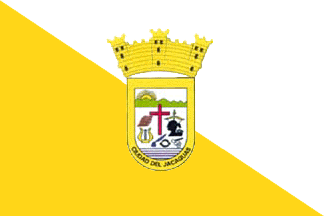
Flag
Juana Díaz's flag consists of a white field divided diagonally by a broad gold band. The municipal coat of arms appears in the upper left corner, while the clean white background represents peace, integrity, and the community's enduring civic values. The gold diagonal symbolizes prosperity and the municipality's agricultural heritage.
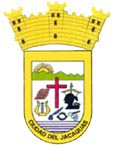
Coat of Arms
The coat of arms reflects Juana Díaz's rich religious, agricultural, and historical heritage. It incorporates symbols honoring the municipality's patron saint, San Ramón Nonato, together with references to its fertile lands, rivers, and long agricultural tradition. The mural crown identifies Juana Díaz as an official municipality of Puerto Rico.
Anthem
The municipal anthem, "Juanadinos, alcemos las voces," celebrates the pride, history, traditions, and cultural identity of Juana Díaz while honoring the community's generations of farmers, educators, artists, and civic leaders.
Juanadinos, alcemos las voces...
Human & Capital Resources
Economy
Juana Díaz has one of the most diversified economies in southern Puerto Rico. Agriculture continues to play an important role, with farms producing plantains, vegetables, fruits, coffee, livestock, and ornamental plants throughout the fertile Jacaguas Valley. The municipality is especially known for producing the bark used to make traditional mabí, the refreshing beverage that inspired the city's nickname, "La Ciudad del Mabí."
Manufacturing also contributes significantly to the local economy through pharmaceutical production, food processing, construction materials, and light industry. Marble extracted from local quarries has earned international recognition for its quality, while nearby commercial centers provide employment in retail, healthcare, education, and professional services. Tourism continues to grow as visitors discover Juana Díaz's festivals, museums, natural attractions, and cultural heritage.
Education
Public education in Juana Díaz is administered by the Puerto Rico Department of Education through a network of elementary, middle, and high schools serving communities across the municipality. Students also have access to private schools and vocational programs that prepare graduates for careers in healthcare, agriculture, technology, skilled trades, and business.
Higher education opportunities are available nearby through institutions in Ponce, including the University of Puerto Rico at Ponce, Pontifical Catholic University of Puerto Rico, and several technical colleges. Cultural attractions such as the Casa Museo de los Santos Reyes and local historical sites also provide valuable educational experiences that celebrate the municipality's traditions and history.
Demographics *
Population
46,538
Land Area: 60.28 sq mi
Density: 753.4 per sq mi
Median Age: 40.1
Sex: 53% female
Economics **
$10,717
Median household income: $20,889
Puerto Rico: $21,058
Persons below poverty line: 45.7%
Housing, families and educational attainment *
Number of households
15,479
Housing units density:
332.1 (2013)
Persons per household: 2.9
High school grad or higher: 77.8%
Marital status: 40% married
* U.S. Census Bureau 2020 data, unless otherwise noted - Source: Quick Facts Puerto Rico.
** U.S. Census Bureau 2016-2020
Map References
Coordinates: 18.0525° N, 66.5067° W
ZIP Code: 795
Driving Distance from San Juan: 69.5 miles
Driving Time: 1 hour, 38 minutes
Frequently Asked Questions
Where is Juana Díaz located?
Juana Díaz is located on Puerto Rico's southern coast, between Ponce, Santa Isabel, Villalba, Coamo, and the Caribbean Sea. It is approximately 15 to 20 minutes east of Ponce and about 1½ hours from San Juan.
What is Juana Díaz known for?
Juana Díaz is best known for its Three Kings tradition, the Casa Museo de los Santos Reyes, its annual Fiesta de Reyes, traditional mabí, fertile agricultural valleys, waterfalls, caves, and historic town center.
Why is Juana Díaz called the City of the Kings?
Juana Díaz is called the City of the Kings because it hosts Puerto Rico's best-known Three Kings celebration. The tradition dates to the 19th century and includes processions, music, religious observances, cultural activities, and visits by the Reyes Magos.
When is the Fiesta de Reyes celebrated in Juana Díaz?
The main celebration takes place around January 6, Three Kings Day. Related religious, cultural, and community activities may begin earlier and continue for several days.
What are the best things to do in Juana Díaz?
Popular experiences include visiting the Casa Museo de los Santos Reyes, exploring Plaza Román Baldorioty de Castro, seeing Iglesia San Ramón Nonato, hiking to Salto de Collores, visiting Cueva Lucero, and taking scenic drives through the municipality's rural barrios.
Is Juana Díaz worth visiting?
Yes. Juana Díaz is especially rewarding for travelers interested in Puerto Rican traditions, religious festivals, local history, waterfalls, caves, agriculture, and small-town culture in the island's southern region.
What is mabí?
Mabí is a traditional lightly fermented Caribbean beverage made from tree bark, sugar, water, and spices. Juana Díaz is closely associated with the drink and is often called "La Ciudad del Mabí."
Does Juana Díaz have natural attractions?
Yes. The municipality includes waterfalls, caves, rivers, forested hills, limestone formations, and rural landscapes. Salto de Collores and Cueva Lucero are among its best-known natural attractions.
Do you need a car in Juana Díaz?
A car is strongly recommended. Downtown attractions are relatively close together, but waterfalls, caves, rural restaurants, and scenic areas are spread across the municipality.
Where should you stay when visiting Juana Díaz?
Lodging within Juana Díaz is limited, so many visitors stay in nearby Ponce, where there are historic hotels, resorts, and vacation rentals. Rural rentals may also be available within Juana Díaz and nearby mountain communities.
Did You Know?
60% of Puerto Rico is covered by mountains.
Get Our Newsletter
Discover new places, local flavors, upcoming events, cultural stories, and some of our favorite finds from around the island.Read the Latest ¡La Isla! Newsletter
Follow Along


