
Desecheo, Puerto Rico

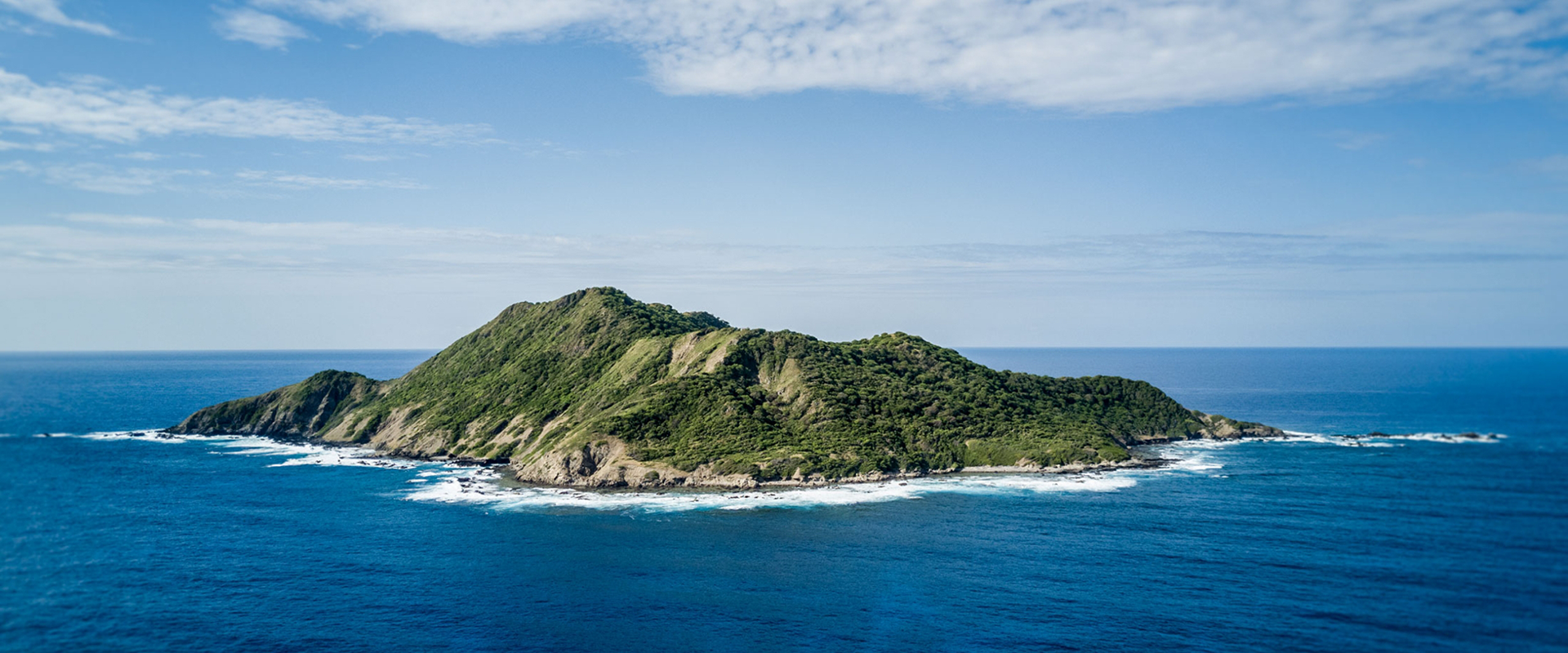
Desecheo is a small, uninhabited island in the Mona Passage, approximately 13 miles (21 km) west of Puerto Rico's northwestern coast, near Rincón. Covering approximately 360 acres (146 hectares), the island is known for its rugged terrain, protected wildlife habitats, and important role in Puerto Rico's conservation history.
Despite its relatively small size, Desecheo rises steeply from the surrounding sea, reaching an elevation of 683 feet (208 meters). Its landscape consists primarily of semi-deciduous dry forest, grasslands, and rocky slopes. The island has no permanent freshwater sources.
History of Desecheo
Desecheo appears in historical accounts of European exploration in the Caribbean. Christopher Columbus passed the island during his second voyage in 1493, and the name Desecheo was recorded in association with the Spanish explorer Núñez Álvarez de Aragón in 1517.
During the early twentieth century, the island was recognized for its extraordinary seabird colonies. In 1912, President William Howard Taft designated Desecheo as a protected bird reservation.
The island later served as a military training area, including bombing and gunnery exercises during the twentieth century. It was also used for scientific research involving rhesus monkeys.
Desecheo came under the administration of the U.S. Fish and Wildlife Service in 1976 and has been managed as a National Wildlife Refuge since 1983.
Desecheo National Wildlife Refuge
The Desecheo National Wildlife Refuge established in 1983 has been protecting the island's terrestrial ecosystems and provides habitat for native plants, reptiles, and seabirds. Today is an important site for seabird nesting. Desecheo is home to 3 endemic lizards and the endangered cactus, Harrisia portoricensis (by Eaton, M.E.).
Historically, Desecheo supported enormous colonies of nesting seabirds, including brown boobies, red-footed boobies, terns, and frigatebirds. Human activities and introduced animals significantly disrupted these populations.
Conservation efforts have focused on restoring native habitats and reducing the effects of invasive species, including rats, goats, and rhesus monkeys. These projects are intended to improve conditions for native wildlife and the eventual recovery of seabird nesting colonies.
Marine Environment
The waters surrounding Desecheo contain coral reefs and marine habitats that support a variety of fish and other sea life. These waters are designated as a marine reserve under Puerto Rico's environmental authorities.
The surrounding marine reserve is managed separately from the federally protected island. Activities in these waters are subject to regulations established by Puerto Rico's Department of Natural and Environmental Resources.
Can You Visit Desecheo?
Desecheo National Wildlife Refuge is closed to the public. Landing on the island and entering the refuge are prohibited because unexploded military ordnance may still be present.
Although recreational diving takes place in the surrounding waters, access and activities within the marine reserve are regulated separately by Puerto Rico's Department of Natural and Environmental Resources.
For current refuge information, visit the U.S. Fish and Wildlife Service's Desecheo National Wildlife Refuge website.
Did You Know?
In the early twentieth century, Desecheo supported one of the Caribbean's largest brown booby nesting colonies. Conservation projects are working to restore conditions that may allow seabirds to return and nest successfully.

Frequently Asked Questions About Desecheo
Where is Desecheo located?
Desecheo is an uninhabited island in the Mona Passage,
approximately 13 miles (21 km) west of Puerto Rico's
northwestern coast, near Rincón.
Can you visit Desecheo Island?
No. Desecheo National Wildlife Refuge is closed to
the public because unexploded military ordnance
remains a safety concern. Landing on the island
is prohibited without authorization.
What is Desecheo known for?
Desecheo is known for its protected wildlife refuge,
rugged landscape, historic seabird colonies, and
surrounding marine habitats. The island has also
been the focus of important ecological restoration
efforts.
Why is Desecheo closed to the public?
Desecheo was used for military training, including
bombing and gunnery exercises. Unexploded ordnance
may remain on the island, creating safety hazards.
The U.S. Fish and Wildlife Service restricts
public access to the refuge.
Can you dive near Desecheo?
Recreational diving takes place in the waters
surrounding Desecheo, but these waters are part
of a marine reserve regulated by Puerto Rico's
Department of Natural and Environmental Resources.
Diving does not authorize landing on the island,
and visitors should verify current marine regulations.
Map References
Land Area: 1.5 sq. km
Coordinates: Latitude: 18.40° N Longitude: 67.55° W
Did You Know?
Camuy is home to one of the largest cave systems in the Western Hemisphere. The Río Camuy Cave Park features massive underground caverns carved out by the third-largest subterranean river in the world.
Get Our Newsletter
Discover new places, local flavors, upcoming events, cultural stories, and some of our favorite finds from around the island.Read the Latest ¡La Isla! Newsletter
Follow Along


