
Coamo, Puerto Rico
(ko-AH-mo)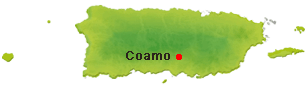
Coamo is located in the southern region of Puerto Rico, about 90-minute car ride away from Luis Muñoz Marín International Airport (SJU). Coamo is known as "La Villa Añeja" (old villa) or "La Villa de San Blas de Illescas" (San Blas de Illescas villa) in honor of the San Blas Half Marathon celebrated every year in February.
Overview
Why Visit Coamo?
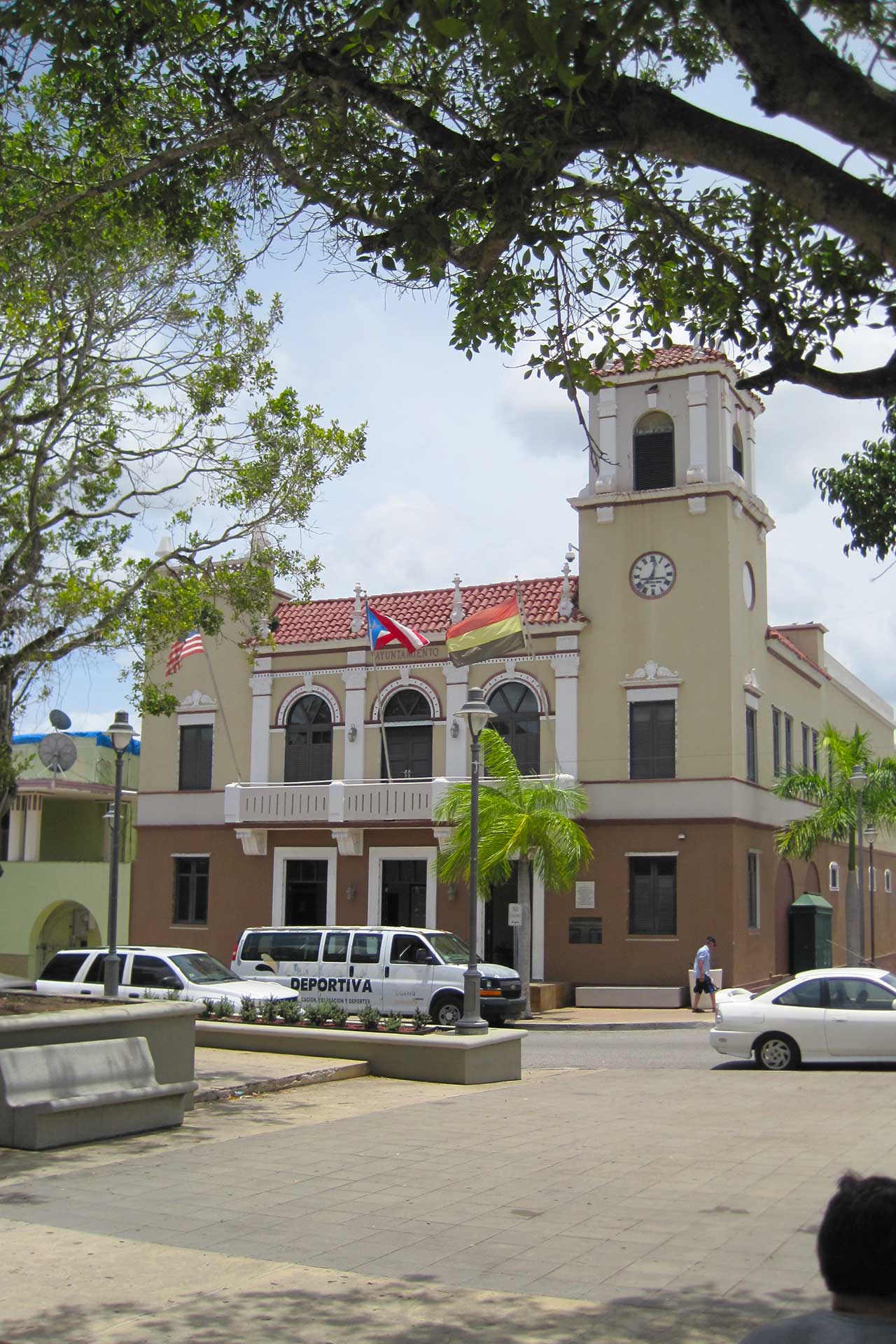
Coamo is one of Puerto Rico's oldest towns and one of the best places to experience the island's colonial history beyond San Juan. Founded on July 15, 1570, by Cristobal y Blas de Illescas, is the third-oldest town in Puerto Rico. It served as the capital of the south until the 1880s, when political power shifted to Ponce. Originally named San Blas de Illescas, the town was later renamed Coamo, in honor of a local Indian chief known as Coamex or Coamey.
Today, Coamo is known for its historic town center, beautiful churches, thermal springs, and peaceful mountain-and-valley scenery. It is a great stop for travelers interested in architecture, local history, wellness, and a slower, more traditional side of Puerto Rico.
Why I Love Coamo?

I grew up in Coamo after moving there when I was twelve years old, and many of my favorite memories of Puerto Rico were made on these streets. I walked to school every morning, greeted neighbors with a simple "¡Buenos días!", and spent countless afternoons wandering through the historic town center. Life moved at a slower pace, where people knew one another by name and the plaza was a natural gathering place for families and friends.
Coamo taught me to appreciate the beauty of everyday Puerto Rican life. Beyond its famous hot springs and historic landmarks, I remember the smell of fresh bread from the local bakery, church bells echoing across town, festivals filling the streets with music, and the warmth of a community where saying hello to strangers was simply part of daily life. Every time I return, I'm reminded that some of the island's greatest treasures aren't attractions at all—they're the people, traditions, and sense of belonging that make Coamo feel like home.
Top Things to Do in Coamo
Coamo Historic District
Coamo's historic center is one of the town's greatest treasures, with colonial-era streets, traditional architecture, and a peaceful plaza that reflects the municipality's long history. It is ideal for a relaxed walk, photography, and appreciating one of Puerto Rico's oldest urban centers.
Iglesia San Blas de Illescas
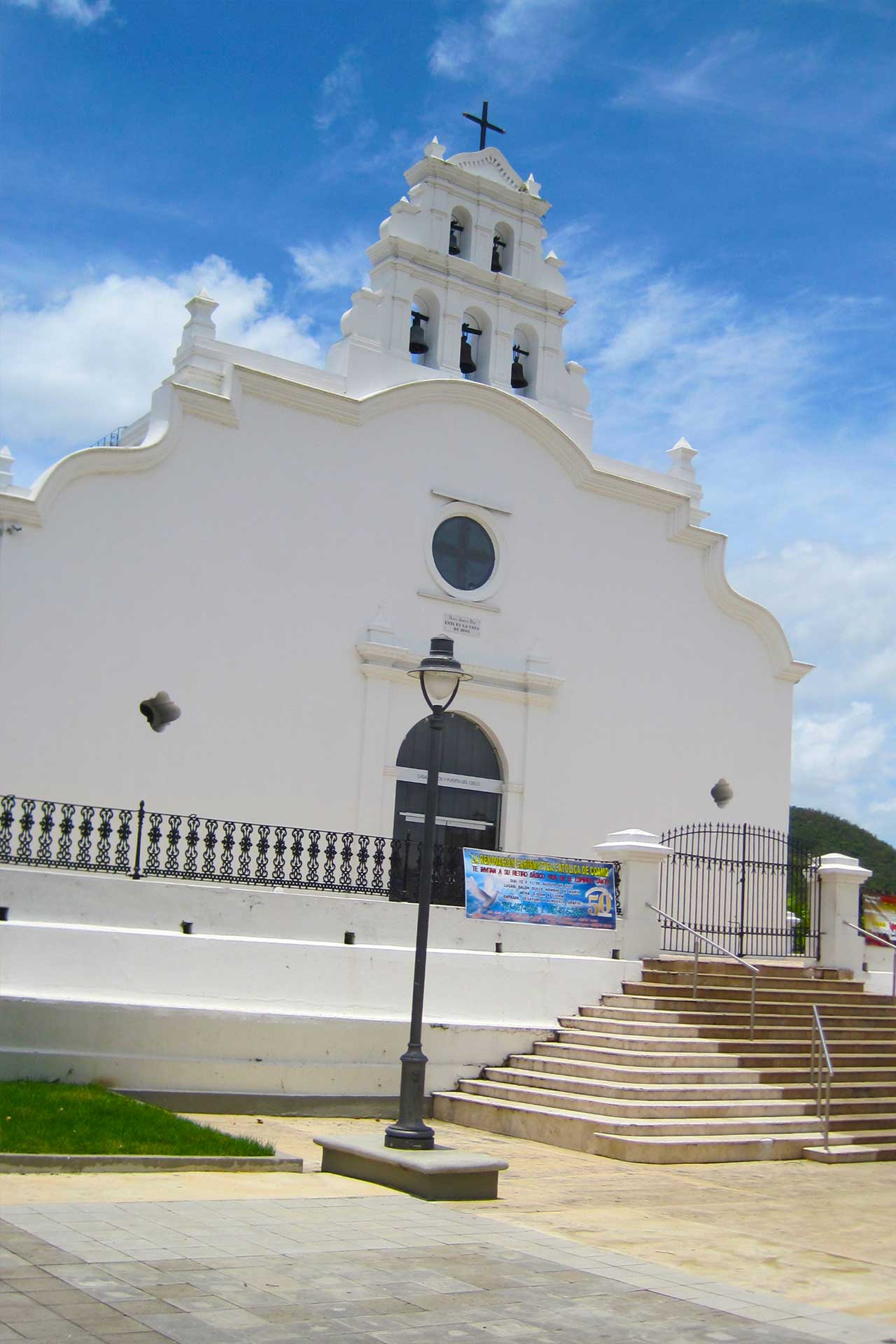
One of Puerto Rico's most important historic churches, Iglesia San Blas de Illescas dates back to the 18th century and anchors Coamo's town plaza. Its architecture and religious history make it one of the municipality's most meaningful landmarks. Open daily, 6:30am-12:00pm.
Los Baños de Coamo
The famous Coamo thermal springs have attracted visitors for centuries. According to local tradition, these mineral-rich waters were known even before Spanish settlement and later became one of Puerto Rico's earliest wellness destinations. Today, the hot springs remain one of Coamo's most popular attractions. Today, a parador - surrounds the famous spring. It was considered the islands most fashionable resort from 1847 to 1958.
Museo Histórico de Coamo
This local museum helps visitors understand Coamo's long history, from its colonial roots and religious traditions to its role in Puerto Rico's cultural development. Opendaily, 8:00am-noon 1:00pm-4:00pm
Hotel Los Baños de Coamo
Located near the hot springs, this historic hotel and spa area has long been associated with relaxation, wellness, and the town's thermal waters.
Additional Places to Explore
Plaza Pública de Coamo
The town plaza is the heart of Coamo, surrounded by historic buildings, local shops, and the Iglesia San Blas de Illescas. It is a good starting point for exploring the historic center.
Paseo de las Banderas
A small but meaningful civic space that celebrates Puerto Rican identity and local pride.
Puente de las Calabazas
A historic bridge associated with Coamo's rural landscape and older transportation routes.
Cerro Pico
One of Coamo's natural landmarks, offering mountain scenery and views of the southern-central region.
Río Coamo
The river has shaped the municipality's geography, agriculture, and settlement patterns for generations.
By 1582, there were twenty families living in Coamo, in the same area where the Tainos had had their village of Guayama. Coamo became officially a town in 1616, and given the title of "Villa" by Spanish Royal Decree in 1778.
Plan your Visit
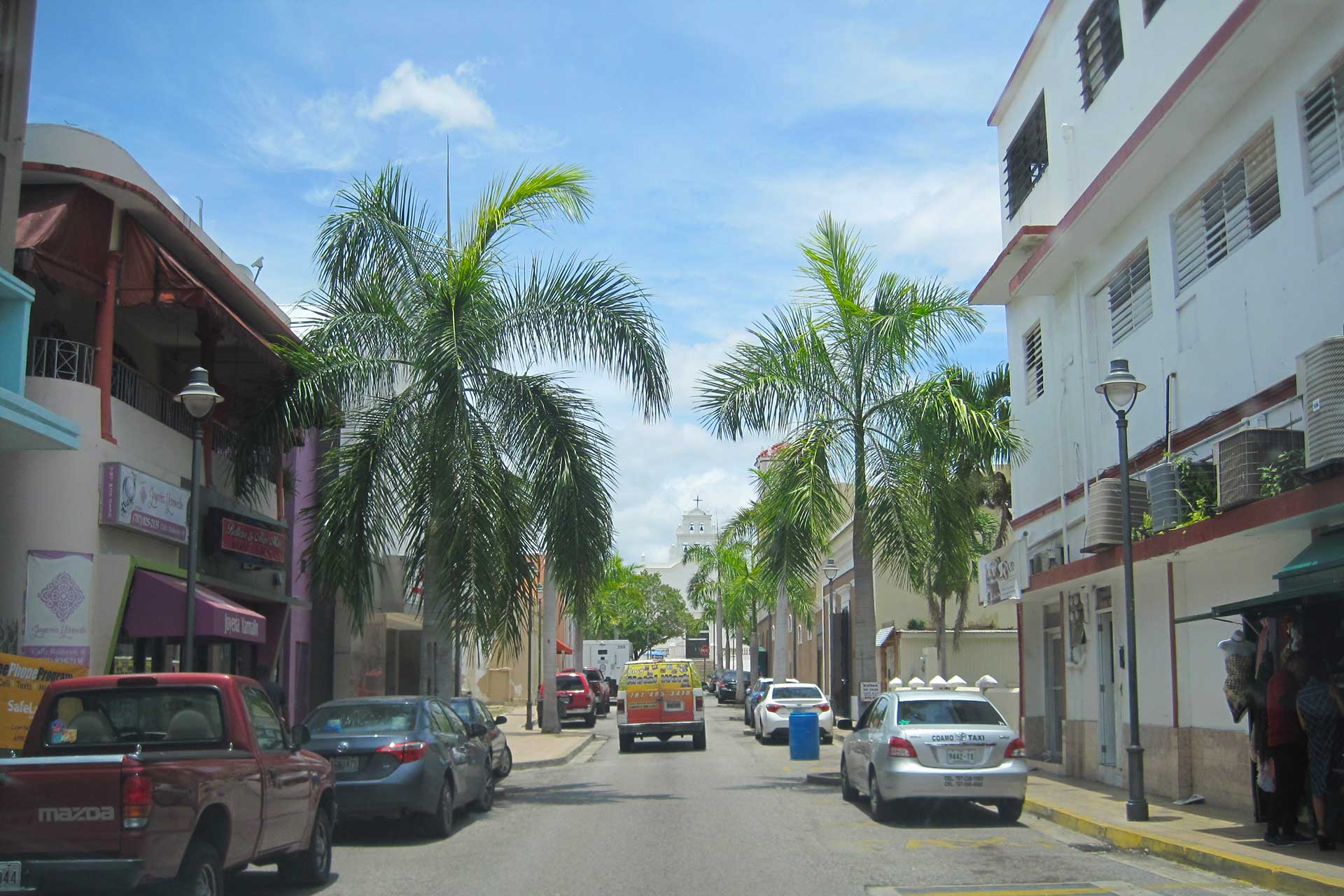
Located in south-central Puerto Rico, Coamo is best explored by car. It works well as a stop between San Juan and Ponce or as part of a southern region road trip.
Getting There
By Car
Coamo is located along PR-52, about 1½ hours from San Juan and roughly 40 minutes from Ponce, depending on traffic.
From San Juan
Take PR-52 south toward Ponce. Coamo is an easy stop before reaching the southern coast.
From Ponce
Coamo is a short drive northeast of Ponce, making it convenient for travelers exploring Puerto Rico's South Region.
Getting Around
Rental Car
A rental car is recommended, especially if you plan to visit Los Baños de Coamo, nearby rural areas, or neighboring towns.
Walking
The historic town center is walkable, especially around the plaza, church, museum, and nearby streets.
Local Tip
Visit the historic center first, then drive to Los Baños de Coamo for a relaxing break. It makes the town feel like both a cultural and wellness stop.
Nature & Resources
Geography
Located in Puerto Rico's South Region, Coamo sits in a fertile valley between the Cordillera Central mountains and the island's southern coastal plain. Its central location has made it an important crossroads for centuries, connecting San Juan, Ponce, and the mountain towns of the interior.
Unlike Puerto Rico's lush northeast, Coamo has a warmer, drier climate that supports cattle ranching and agriculture while offering beautiful mountain views throughout the municipality.
Mountains
Cerro Pico is ne of Coamo's highest elevations with panoramic views.
Rivers
Several rivers flow through Coamo, helping shape its landscape and agriculture.
- Río Coamo
- Río Cuyón
- Río Descalabrado
- Río Jueyes
Neighborhoods & Barrios
Coamo consists of 11 barrios (PDF), each contributing to the municipality's historic, rural, and cultural identity.
- Coamo Arriba
- Cuyón
- Hayales
- Los Llanos
- Palmarejo
- Pasto
- Pedro Garcia
- Pueblo
- Pulgillas
- San Idelfonso
- Santa Catalin
Climate
Coamo has a warm tropical climate, generally drier and warmer than many northern mountain towns. Its south-central location gives it sunny days, warm afternoons, and pleasant evenings, especially during the drier months from December through April.
Annual precipitation is approximately 78 inches and the average temperature is 78 F. August is the warmest month of the year. January is the coldest month.
10 Day Forecast from weather.com
Where to Stay
Historic & Wellness Stays- Hotel Los Baños de Coamo
Local Flavors & Festivities
Where to Eat
- Mas Abajo
- BarMuseo
- Sopa Grill
- D' Pueblo Con Savor
- El Gran Café
- San Blas Coffee Shop
- One Bite Desserts & Coffee Shop
- Panadería San José
- Coameña Bakery
- Coamo Golf Bakery
Festivals and Events
Displaying 6 results.
-
Fiestas Patronales de San Blas Illescas y La Virgen de la Candelaria
- February
Coamo's patron saint festival honoring San Blas Illescas and Our Lady of Candelaria with religious processions, live music, artisan vendors, carnival rides, traditional Puerto Rican food, and family entertainment.
-
San Blas Half Marathon
- February
One of Puerto Rico's oldest and most prestigious sporting events. Founded in 1963 as part of Coamo's patron saint festivities, the internationally recognized 21.1 km (13.1-mile) race attracts elite runners from more than 50 countries and transforms the town into a weekend-long celebration with live music, food vendors, and thousands of spectators. For locals, however, the marathon is much more than a race. It has become one of Coamo's biggest annual celebrations, with live music, food vendors, community gatherings, and thousands of spectators lining the streets to cheer on the runners. Even if you're not participating, visiting Coamo during marathon weekend is an unforgettable way to experience the town's energy, hospitality, and traditions.
-
Carnaval Flor de Mayo
- May
Community carnival celebrating spring with colorful parades, live music, traditional food, artisan vendors, and family-friendly activities.
-
Carnaval de la Yuca
- August
Celebrates Coamo's agricultural heritage and cassava (yuca) production with local cuisine, cooking demonstrations, music, artisan vendors, and family entertainment.
-
Carnaval del Juey
- October
Festival highlighting Puerto Rican crab dishes (jueyes) with local seafood specialties, music, artisan vendors, and family entertainment.
-
Festival de Bomba y Plena
- November
Festival celebrating Puerto Rico's traditional Bomba and Plena music through live performances, dancing, cultural presentations, artisan vendors, and local cuisine.
Moments in History
Taíno communities lived throughout the fertile Coamo Valley and established the village of Guayama, using the rivers, fertile valleys, and nearby hills for farming and daily life.
Twenty Spanish families were living in Coamo, making it one of the island's earliest permanent European settlements. The community grew around the former Taíno village of Guayama.
Coamo is founded, making it one of the oldest towns in Puerto Rico after San Juan and San Germán.
The town grows as an important inland settlement along routes connecting the southern coast with the island's interior. Coamo became one of Puerto Rico's early coffee-producing regions, contributing to the island's growing agricultural economy during the Spanish colonial era.
Iglesia San Blas de Illescas is completed, becoming one of Coamo's most enduring historic landmarks.
Los Baños de Coamo becomes widely known as a destination for thermal mineral baths and relaxation.
King Charles III of Spain granted Coamo the title of Villa, recognizing its growth and importance in southern Puerto Rico.
The hot springs are arguably Coamo's most recognizable attraction, so giving them a place in the historical timeline makes the page feel much more balanced. It tells the story of how Coamo evolved into both a historic town and a wellness destination.
During the Spanish-American War, Coamo becomes the site of military activity as U.S. forces move through southern Puerto Rico.
The first San Blas Half Marathon is held, growing into one of the Caribbean's premier road races.
Coamo is recognized for its colonial heritage, historic town center, thermal springs, and traditional Puerto Rican character.
Notable People
Famouns Coameños
Bobby Capó
1921–1989
Music
Singer, songwriter, and composer known for classic Puerto Rican and Latin American songs.
Juano Hernández
1896–1970
Film & Theater
Actor known for his work in theater and film, including roles that helped open doors for Afro-Puerto Rican performers.
Pedro Miguel Caratini
1940–2017
Music
Musician and director associated with Puerto Rican popular and salsa music.
City Symbols
Both the flag and coat of arms were adopted on August 5, 1969.
Flag

The flag design consists of three equal horizontal stripes. The red, yellow, and black colors are derived from the municipal coat of arms. The red represents martyrs and refers to the fact that Saint Blas was decapitated. The gold yellow alludes to the excellent qualities of San Blas and the parched plains of Coamo. The black refers to the sorrows and tribulations endured by Coamo.
The flag should fly with the black stripe down.
Coat of Arms
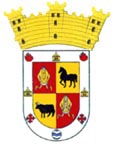
The coat of arms is divided into four parts and characterized by the colors: red, black, yellow and white.
Symbolism of the coat of arms:
- The bells represent the three city's Catholic churches, Altagracia, Valvanera and San Blas.
- The bishops' hats represent the bishops that founded the city: Mercado and Salamanca.
- The flames represents the city's patron, Our Lady of the Fire.
- The crosses represent the cross of the Villa, property of Cristobal de Illescas.
- The horse and bull represent the cattle industry. The gold color that serves as background recalls the yellowish reddish tone of the fields of Coamo during the droughts.
- The circle whit blue lines represent the Thermal Baths of Coamo.
Anthem
The anthem of Coamo was written Manuel Torres Tapia. The title is Allá muy cerca del pueblo...
Human & Capital Resources
Economy
Coamo's economy has historically been shaped by agriculture, cattle, tobacco, and small-scale trade. Today, local commerce, government services, healthcare, tourism, and the hot springs area contribute to the municipality's economy.
The surrounding areas produces corn, mangos, oranges and plantains.
Education
Education has long played an important role in the development of Coamo, one of Puerto Rico's oldest municipalities. The town is served by the Puerto Rico Department of Education, which operates several public elementary, middle, and high schools, along with a number of private educational institutions that serve the community.
Residents seeking higher education have convenient access to nearby universities in Ponce, Cayey, and Juana Díaz, while Coamo's central location makes it easy to commute to campuses throughout Puerto Rico's southern region. The municipality's commitment to education and community development continues to support the growth of its workforce and quality of life.
There are 21 public schools in Coamo.
Demographics *
Population
34,668
Land Area: 78.01 sq mi
Density: 494.8 per sq mi
Median Age: 43.1
Sex: 52% female
Economics **
$10,700
Median household income: $18,319
Puerto Rico: $21,058
Persons below poverty line: 48.5%
Housing, families and educational attainment *
Number of households
13,199
Housing units density:
214.3 (2013)
Persons per household: 2.92
High school grad or higher: 78.9%
Marital status: 36% married
* U.S. Census Bureau 2020 data, unless otherwise noted - Source: Quick Facts Puerto Rico.
** U.S. Census Bureau 2016-2020
Map References
Coordinates: 18.0800° N, 66.3581° W
ZIP Code: 769
Driving Distance from San Juan: 62.6 miles
Driving Time: 1 hour, 36 minutes
Frequently Asked Questions
Where is Coamo located?
Coamo is located in south-central Puerto Rico, about 50 miles (80 km) south of San Juan and 25 miles (40 km) north of Ponce.
What is Coamo known for?
Coamo is best known for its natural hot springs (Los Baños de Coamo), colonial architecture, historic downtown, and the annual San Blas Half Marathon.
Why is Coamo one of Puerto Rico's oldest towns?
Founded in 1579, Coamo is Puerto Rico's third-oldest Spanish settlement, preserving centuries of history, architecture, and traditions.
What are Los Baños de Coamo?
Los Baños de Coamo are Puerto Rico's only natural thermal hot springs, known for their warm, mineral-rich waters that have attracted visitors since Taíno times.
Can you visit the Coamo hot springs?
Yes. Visitors can relax in the thermal pools year-round, making them one of Coamo's most popular attractions.
What are the top attractions in Coamo?
Top attractions include Los Baños de Coamo, Iglesia San Blas de Illescas, the Historic Downtown, Museo Histórico de Coamo, and Cerro Picó.
Is Coamo worth visiting?
Absolutely. Coamo offers a unique combination of history, thermal springs, mountain scenery, and authentic Puerto Rican culture away from the island's busiest tourist areas.
How far is Coamo from San Juan?
Coamo is about 1½ hours by car from San Juan via PR-52.
Do you need a rental car in Coamo?
Yes. A rental car is the best way to explore Coamo, nearby hot springs, scenic mountain roads, and neighboring towns.
When is the best time to visit Coamo?
The best time to visit is December through April, when temperatures are pleasant and rainfall is lower. February is especially popular during the San Blas Half Marathon.
Did You Know?
The term "china" originated from a brand of oranges that came to Puerto Rico in the 19th century, advertised as names "Naranjas de la China/Oranges from China" China in PR is the color orange and the fruit. naranja, which is used for oranges in most Spanish speaking countries, only refers to the bitter orange in Puerto Rico.
Get Our Newsletter
Discover new places, local flavors, upcoming events, cultural stories, and some of our favorite finds from around the island.Read the Latest ¡La Isla! Newsletter
Follow Along


