
A Day in Old San Juan, Puerto Rico
A Perfect Day in Old San Juan
Walk through 500 years of history, color, and culture—step by step.
At a Glance
Duration: Half day to full day
Best for: Walking, history, photography
Start: San Cristóbal
End: Paseo de la Princesa
Tip: Wear comfortable shoes
Stop 1: Castillo de San Cristóbal
Begin your day at Castillo de San Cristóbal, the largest Spanish fortification ever built in the Americas. Constructed in the 18th century, this massive fortress was designed to protect the city from land attacks and is often called the "Gibraltar of the West Indies."As you explore its tunnels, ramps, and lookout points, you'll start to understand the strategic brilliance behind San Juan's defenses—and get your first sweeping views of the city and coastline.
Stop 2: Castillo San Felipe del Morro (El Morro)
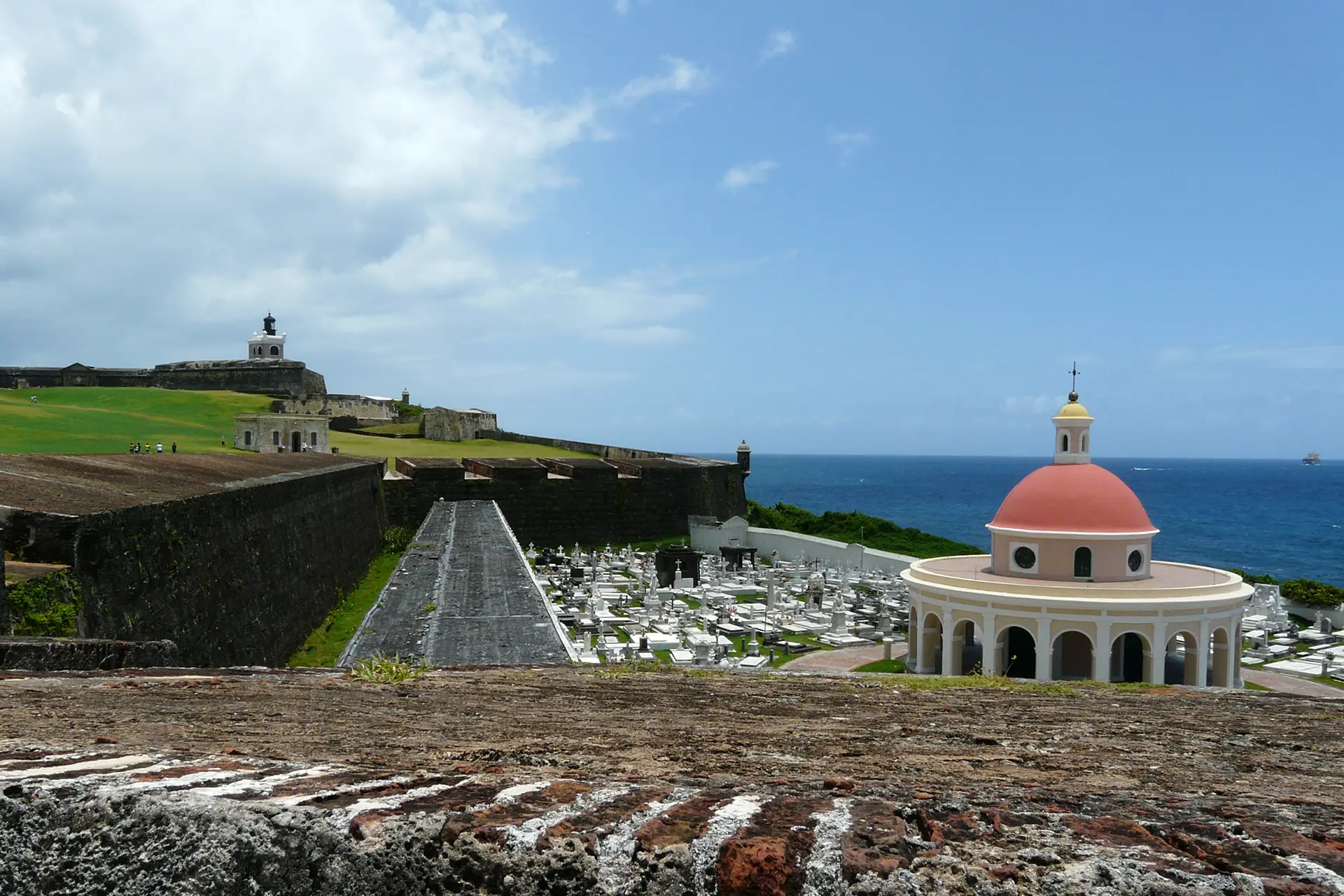
From San Cristóbal, make your way across Old San Juan to the iconic El Morro, a six-level fortress rising 140 feet above the Atlantic Ocean. Built beginning in 1540, its thick walls and commanding position made it one of the most formidable defenses in the Caribbean.
Wander through its maze of tunnels and sentry boxes—known as garitas, now a symbol of Puerto Rico, and take in the breathtaking views of San Juan Bay. This is one of the most memorable and photographed spots on the island.
Stop 3: Plaza de Ballajá
After exploring El Morro, head toward Plaza de Ballajá, a historic barracks that once housed Spanish soldiers. Later, it served as quarters for U.S. troops after the Spanish-American War.
Today, the plaza is home to cultural institutions and museums, offering a quieter moment to pause, learn, and appreciate the layers of history that shaped the island.
Stop 4: Cathedrals, Churches & Historic Landmarks
Continue your walk through the heart of Old San Juan, where centuries of history unfold block by block. Along the way, visit:
- Catedral de San Juan Bautista, one of the oldest churches in the Americas
- San José Church, a beautifully restored example of Spanish Gothic architecture
- Capilla del Cristo, a small chapel perched dramatically at the edge of the old city walls
This part of your journey brings you closer to the spiritual and cultural roots of Puerto Rico, surrounded by cobblestone streets and colorful colonial buildings.
Stop 5: Plaza de Armas
Soon you'll arrive at Plaza de Armas, Old San Juan's main square. This lively plaza has long been a gathering place for locals and visitors alike.
Take a moment to sit, people-watch, and soak in the rhythm of the city—it's a perfect place to pause and recharge before continuing your walk.
Stop 6: Calle Fortaleza & Calle San Francisco
From the plaza, head down Calle Fortaleza toward San Francisco Street, two of the most vibrant streets in Old San Juan.
This is where the city truly comes alive—lined with shops, cafés, and local spots where you can grab lunch or a refreshing drink. Take your time browsing, exploring, and enjoying the mix of old-world charm and modern energy.
Stop 7: Paseo de la Princesa (Sunset Finale)
End your day with a walk along Paseo de la Princesa, a scenic 19th-century promenade just outside the city walls. Lined with trees, fountains, and street vendors, it's one of the most beautiful and relaxing areas in Old San Juan.
As the sun begins to set, the views become unforgettable—golden light over the bay, historic walls glowing, and the city slowing down. It's the perfect way to close out your day.
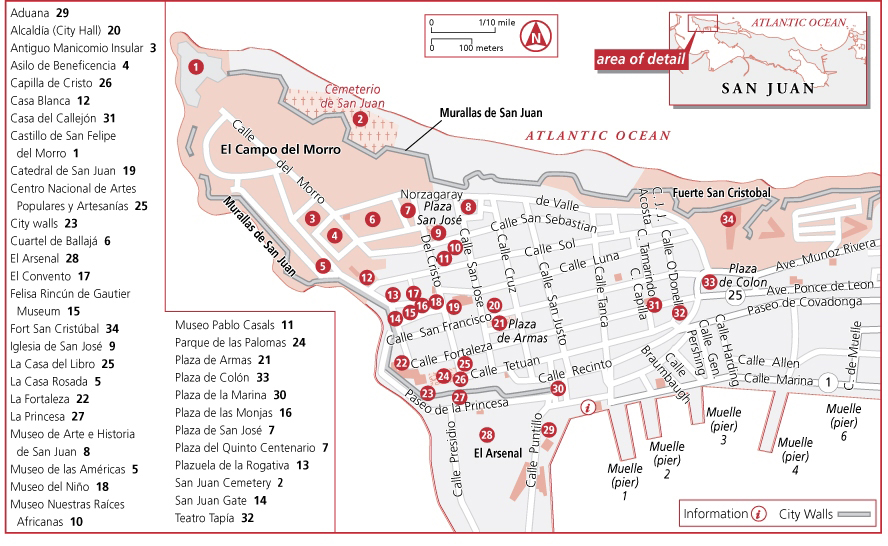
Walking Route Map
Follow this route to experience the best of Old San Juan in one day.
Local Favorites Along the Way
- Best Souvenir Bacardi or Don Q rum
- Best Cocktail Piña Colada
- Best Street Food Coconut water or a refreshing piragua
Explore the Island
Book a Walking Tour
- Old San Juan and El Morro Castle Walking Tour
- 3 Tours in 1 Day: Old San Juan, Rainforest, Beach with Transport
- Morning Old San Juan Food Tour
- Small-Group Old San Juan Bike Tour
- Authentic San Juan Guided Walking Food Tour with Pina Colada
Map Source:
- Frommer's Puerto Rico, 5th Edition (October 27, 1998)
Did You Know?
More than 360 million people around the world speak Spanish.
Get Our Newsletter
Discover new places, local flavors, upcoming events, cultural stories, and some of our favorite finds from around the island.Read the Latest ¡La Isla! Newsletter
Follow Along


