
Canóvanas, Puerto Rico
(kah-NO-vah-nahs)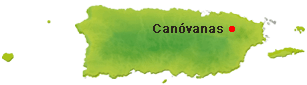
Located just east of San Juan, Canóvanas blends lush tropical scenery, rich Taíno heritage, and outdoor adventure. From horseback riding and rivers to nearby rainforest trails, this welcoming municipality offers visitors an authentic side of Puerto Rico beyond the beaches and resorts.
Canóvanas is known as "La Cuna de los Indios" (Indian cradle) and "La Ciudad de las Carreras" (race horse town) because of its racetrack call "El Comandante". Canóvanas derives its name from a local Indian chief Canobaná (Canovanax). Juan R. Calderón founded Canóvanas in 1909.
Canóvanas is also known as the "Pueblo Valeroso" (valiant town) because the local Indian chief Yuira was killed defending the Spaniards from the Taínos.
Overview
Why Visit Canóvanas?
Located just 30 minutes east of San Juan, Canóvanas combines lush tropical landscapes, rich traditions, and outdoor adventure. Best known as the "City of the Indians" (La Ciudad de los Indios), the municipality serves as a gateway to El Yunque National Forest while offering visitors rivers, scenic countryside, horseback riding, and authentic Puerto Rican culture away from the crowds.
Canóvanas is also famous for its annual Canóvanas Carnival, local legends, and its connection to Puerto Rico's Taíno heritage. Whether you're looking for adventure, nature, or a taste of everyday island life, Canóvanas offers a unique experience just minutes from the metropolitan area.
Why I Love Canóvanas
Growing up in Puerto Rico, Canóvanas always felt like the place where the city slowly gave way to nature. Every drive east seemed to become greener, with winding roads leading toward El Yunque and the mountains beyond. I love that transition. It's close enough to San Juan for an easy day trip, yet it feels like a completely different side of the island.
Whenever I visit, I'm reminded that some of Puerto Rico's greatest treasures aren't found in busy tourist areas—they're found in places like Canóvanas, where rivers, forests, local traditions, and warm hospitality come together to create an authentic Puerto Rican experience.
Top Things to Do in Canovanas
Hacienda Campo Rico
One of Puerto Rico's premier outdoor adventure destinations, Hacienda Campo Rico spans more than 2,000 acres of tropical countryside. Visitors can enjoy horseback riding, ATV tours, ziplining, mountain biking, and guided eco-tours while exploring forests, rivers, and scenic landscapes just minutes from San Juan.
Hipódromo Camarero (formerly known as El Nuevo Comandante)
Puerto Rico's premier thoroughbred horse racing venue hosts races throughout the year and offers an exciting day of entertainment for racing enthusiasts. The modern facility also features restaurants, betting lounges, and special events, making it one of the island's most important sporting venues. It is the only race track in Puerto Rico.
El Yunque National Forest (Nearby)
Although officially located in neighboring municipalities, portions of El Yunque National Forest are easily accessed from Canóvanas. The only tropical rainforest in the U.S. National Forest System features waterfalls, hiking trails, panoramic overlooks, and abundant wildlife, making it one of Puerto Rico's most visited natural attractions.
Cubuy River
Flowing through the southern portion of the municipality, the Cubuy River offers scenic landscapes, natural swimming areas, and peaceful surroundings popular with locals seeking a refreshing escape into nature.
Canóvanas Town Plaza
The heart of the municipality is home to the historic town square, municipal buildings, local restaurants, and community events throughout the year. It provides visitors with a glimpse into everyday life while serving as the center for festivals and celebrations.
Plan your Visit
Located just east of San Juan, Canóvanas is one of the easiest municipalities to visit on Puerto Rico's northeastern coast. Its proximity to Luis Muñoz Marín International Airport and El Yunque National Forest makes it an excellent destination for a day trip or an outdoor adventure.
Getting There
By Air
Luis Muñoz Marín International Airport (SJU) is approximately 25 to 30 minutes from Canóvanas by car, making it one of the most accessible municipalities in eastern Puerto Rico.
By Car
Canóvanas is easily reached via PR-66, PR-3, and PR-185, connecting the municipality with San Juan, Carolina, Río Grande, and the island's eastern region.
By Bus
Limited public transportation connects portions of Canóvanas with nearby municipalities, but service is not designed for tourism.
Getting Around
Rental Car
The best way to explore Canóvanas, Hacienda Campo Rico, nearby El Yunque, and surrounding attractions is by rental car.
Taxis & Rideshare
Uber and taxi service may be available near the metropolitan area, but availability becomes more limited farther into the municipality.
Walking
Downtown Canóvanas is easily explored on foot, with restaurants, local businesses, parks, and the town plaza located within a short walking distance.
Nature & Resources
Geography
Canóvanas is located in Puerto Rico's northeastern region, bordered by Loíza, Río Grande, Carolina, Las Piedras, and Juncos. The municipality stretches from coastal plains into the foothills of the Sierra de Luquillo, creating a landscape of rivers, forests, and rolling hills.
Several rivers—including the Canóvanas, Cubuy, Canovanillas, and Herrera—flow through the municipality, supporting its lush ecosystems and agricultural lands.
To the south of Canovanas you'll find portions of the Luquillo Mountain Range, with the Cerro El Negro being the highest peak in the region at 2,592 feet. Other high peaks include La Peregrina (1,903 feet) and Pitahaya (951 feet), both located at Barrio Hato Puerco.
Neighborhoods & Barrios
Canovanas is divided into 8 barrios (PDF) (wards/districts):
- Campo Rico
- Cubuy
- El Verde
- Hato Puerco
- Las Lomas
- Las Mercedes
- Pueblo
- Toma Agua
Climate
Canóvanas enjoys a tropical rainforest climate with warm temperatures year-round, typically ranging between 74°F and 89°F (23°C–32°C). Thanks to its proximity to El Yunque, rainfall is more frequent than in many parts of Puerto Rico, creating lush vegetation and abundant rivers, the annual precipitation is approximately 73.62 inches. The drier months from December through April are ideal for outdoor activities.
Where to Stay
- Hacienda Campo Rico
- Hacienda Verde Luz
- Wyndham Grand Rio Mar
- Hyatt Regency Grand Reserve
- Fairmont El San Juan
- Kokianoha VR
- Pancho's Paradise
- Casa de Campo El Jaragual
- Hacienda Los Negritos
Local Flavors & Festivities
Where to Eat
- El Rancho de Apa
- El Nuevo Sazón Criollo
- La Casona
- El Fogón Criollo
- La Casona de Canóvanas
- Victoria Bistro
- Pizzeria Trattoria Italiana
- Cilantro Mexican Grill & Cantina
- Karma's Beer Garden
- Panadería La Canovanense
- Café El Punto
- La Familia Restaurant & Bakery
Festivals and Events
Canóvanas celebrates its rich cultural heritage through annual festivals featuring live music, traditional food, artisan vendors, sporting events, and religious celebrations that bring together residents and visitors alike.
Displaying 7 results.
-
Agroferia Impacto Cultural
- June
Agricultural fair showcasing local farmers, livestock, fresh produce, artisan vendors, educational workshops, live music, and family entertainment at the Antigua Central Azucarera.
-
Clasico del Caribe
- December
Prestigious Caribbean horse racing championship held at Hipodromo Camarero, attracting top thoroughbreds, jockeys, and racing fans from across the Caribbean.
-
Father's Fest
- June
Community celebration honoring Father's Day with live music, food kiosks, artisan vendors, family activities, and entertainment.
-
Festival del Maiz
- April
Annual festival celebrating the municipality's agricultural heritage with corn-based cuisine, artisan exhibits, folkloric music, dance performances, educational displays, and family activities.
-
Fiesta de Reyes
- January
Traditional Three Kings celebration featuring music, children's activities, gifts, traditional Puerto Rican holiday foods, and cultural performances honoring the Epiphany.
-
Fiestas Patronales de Nuestra Senora del Pilar
- October
Every October Canovanas honors Nuestra Señora del Pilar with concerts, carnival rides, artisan kiosks, religious processions, parades, traditional foods, and family entertainment in the town plaza.
-
Navidad en el Campo
- December
Annual Christmas celebration highlighting Puerto Rico's rural traditions with parrandas, holiday music, artisan vendors, traditional cuisine, Christmas decorations, and family activities.
History
Founded in 1970, Canóvanas is one of Puerto Rico's youngest municipalities, having separated from neighboring Loíza. Its name comes from the Taíno chief Canobaná, reflecting the area's indigenous heritage.
The municipality has grown rapidly due to its strategic location between San Juan and the eastern region while preserving much of its rural charm and natural beauty.
Moments in History
Long before European arrival, the area that is now Canóvanas was home to Taíno communities led by Chief Canobaná, from whom the municipality takes its name. The region's rivers, fertile valleys, and forests supported agriculture, fishing, and trade.
Following Juan Ponce de León's colonization of Puerto Rico, the region became part of the Spanish colonial territory. Indigenous communities gradually declined due to disease, forced labor, and conflict, while agriculture and cattle ranching expanded.
For centuries, the communities that now make up Canóvanas were administered as part of the municipality of Loíza. The area remained largely rural, with farming, livestock, and small settlements shaping local life.
Sugarcane, livestock, and small family farms became the backbone of the local economy. The municipality's fertile lands and numerous rivers supported agricultural production throughout the first half of the twentieth century.
Improved highways and growing connections to San Juan encouraged residential development as families sought quieter communities within commuting distance of the metropolitan area.
On August 15, 1970, Canóvanas officially separated from Loíza to become Puerto Rico's 78th municipality. The new municipality established its own local government while preserving its strong cultural identity and Taíno heritage.
Puerto Rico's premier horse racing facility opened in Canóvanas, becoming the island's largest thoroughbred racing venue and one of its most recognizable sports and entertainment destinations.
Canóvanas has continued to grow as a residential and commercial community while becoming known as one of Puerto Rico's leading destinations for ecotourism, outdoor recreation, horseback riding, and adventure experiences thanks to its proximity to El Yunque National Forest.
Notable People
Every Puerto Rican municipality has contributed individuals who have helped shape the island's history and culture, and Canóvanas is no exception. From physicians and journalists to musicians, educators, and public servants, these notable men and women have left a lasting legacy through their achievements and service, bringing pride to their hometown and inspiring future generations.
Famous Canovanenses
Francisco F. Mundo
1888–1953
Medicine
An eminent physician associated with Canóvanas, Francisco F. Mundo is remembered for his distinguished medical career and contributions to healthcare in Puerto Rico.
Enrique Sánchez Cappa
1919–1999
Sports Journalism
A respected sportswriter and commentator, Enrique Sánchez Cappa helped document Puerto Rico's athletic history and became known for his coverage of sporting events and personalities.
Julio Jiménez
1887–1963
Politics
Julio Jiménez represented the region in the Puerto Rico House of Representatives from 1929 to 1936, participating in the island's government during an important period of political and social change.
Read more about famous Canovanenses
City Symbols
Flag
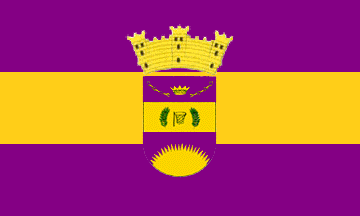
The flag features purple and gold horizontal stripes with the municipal coat of arms centered, representing Canóvanas' history, traditions, and patron saint.
Coat of Arms
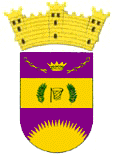
The coat of arms reflects the municipality's Taíno heritage, agricultural traditions, and Spanish colonial history, incorporating symbols that honor Chief Canobaná and the fertile lands that define the region.
Anthem
The official anthem, "Canóvanas," was written by Doris Sandra Estrada Jiménez and celebrates the municipality's history, natural beauty, and community pride.
Human & Capital Resources
Economy
Canóvanas has a diversified economy supported by retail commerce, agriculture, tourism, healthcare, and service industries. Farms continue to produce bananas, plantains, vegetables, and livestock, while tourism benefits from nearby El Yunque, adventure parks, horseback riding, and the Hipódromo Camarero. Commercial development along PR-3 and PR-66 has further strengthened the municipality's economy.
Education
Canóvanas offers a network of public and private schools serving students from elementary through high school. Although the municipality does not have a major university campus, residents enjoy convenient access to the University of Puerto Rico at Carolina, Inter American University of Puerto Rico, and Ana G. Méndez University, all located within a short drive and offering programs in business, healthcare, engineering, education, hospitality, and technology.
Demographics *
Population
42,337
Land Area: 32.87 sq mi
Density: 1,372.70 per sq mi
Median Age: 40.8
Sex: 52% female
Economics **
$13,610
Median household income: $21,614
Puerto Rico: $21,058
Persons below poverty line: 41.3%
Housing, families and educational attainment *
Number of households
14,705
Housing units density:
592.5 (2013)
Persons per household: 3.06
High school grad or higher: 76.1%
Marital status: 40% married
* U.S. Census Bureau 2020 data, unless otherwise noted - Source: Quick Facts Puerto Rico.
** U.S. Census Bureau 2016-2020
Map References
Coordinates: 18.3792° N, 65.9014° W
ZIP Code: 00729, 00745
Driving Distance from San Juan: 10.7 miles
Driving Time: 22 minutes
Frequently Asked Questions
Where is Canóvanas located?
Canóvanas is located in Puerto Rico's northeastern region, about 17 miles (27 km) east of San Juan. It borders Carolina, Loíza, Río Grande, Las Piedras, and Juncos.
What is Canóvanas known for?
Canóvanas is best known for Hacienda Campo Rico, Hipódromo Camarero, its rich Taíno heritage, outdoor adventures, and its close proximity to El Yunque National Forest.
How far is Canóvanas from San Juan?
The drive from San Juan to Canóvanas takes approximately 25 to 30 minutes, depending on traffic.
Is Canóvanas close to El Yunque National Forest?
Yes. Canóvanas serves as one of the primary gateways to El Yunque National Forest, with several entrances and nearby attractions just a short drive away.
What are the best things to do in Canóvanas?
Popular activities include horseback riding, ATV tours, ziplining at Hacienda Campo Rico, attending horse races at Hipódromo Camarero, exploring nearby El Yunque, and enjoying local restaurants and festivals.
Is Canóvanas a good destination for outdoor activities?
Absolutely. The municipality is one of Puerto Rico's best destinations for adventure tourism, offering horseback riding, hiking, nature tours, rivers, and easy access to the island's only tropical rainforest.
Are there hotels in Canóvanas?
Canóvanas offers vacation rentals, eco-lodges, and countryside accommodations. Visitors looking for larger resorts often stay in nearby Río Grande, Carolina, or Isla Verde, all within a short drive.
What is the best time to visit Canóvanas?
Canóvanas can be visited year-round thanks to its tropical climate. The drier months from December through April are especially popular for outdoor adventures and exploring nearby El Yunque.
Why is Canóvanas called the "City of the Indians"?
The municipality honors its indigenous heritage and is named after the Taíno chief Canobaná, reflecting the area's deep cultural and historical roots.
Is Canóvanas worth visiting?
Yes. Canóvanas offers a unique combination of rainforest adventures, horseback riding, cultural heritage, family-friendly attractions, and easy access from San Juan, making it an excellent destination for visitors looking to experience a different side of Puerto Rico.
What other attractions are near Canóvanas?
Canóvanas is conveniently located near El Yunque National Forest, Carolina, Loíza, Río Grande, Luquillo Beach, Fajardo, and Luis Muñoz Marín International Airport, making it an excellent base for exploring Puerto Rico's northeastern region.
Did You Know?
The park protects part of Puerto Rico's unique karst landscape, a region characterized by limestone hills, caves, sinkholes, and underground rivers.
This is your comprehensive guide to La Isla del Encanto.


