

Luquillo, Puerto Rico
(loo-KEE-yo)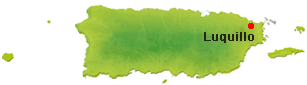
Just 30 miles (48 km) east of San Juan, Luquillo is where Puerto Rico's lush rainforest meets the Caribbean Sea. Best known for El Yunque National Forest, the famous Luquillo Kiosks, and miles of beautiful beaches, the town offers the perfect blend of adventure, relaxation, and authentic Puerto Rican flavors. Whether you're hiking to waterfalls, surfing Atlantic waves, or enjoying fresh seafood by the beach, Luquillo is one of the island's favorite destinations for both locals and visitors.
Luquillo is known as "La Capital del Sol" (sun capital) and "La Riviera de Puerto Rico" (Puerto Rico's riviera). Luquillo was founded in 1797 by Cristóbal Guzmán. The town was named after the Indian cacique Loquillo, who died a few years after the last Indian rebellion in 1513.
Overview
Why Visit Luquillo?
Few places in Puerto Rico offer as much variety in such a small area as Luquillo. Within minutes, you can hike through the lush trails of El Yunque National Forest, swim beneath waterfalls, relax on palm-lined beaches, surf Atlantic waves, and enjoy authentic Puerto Rican cuisine at the famous Luquillo Kiosks. Whether you're planning a day trip from San Juan or looking for a relaxing beach town to stay, Luquillo combines nature, adventure, and local flavor into one unforgettable destination.
Why I Love Luquillo?
Growing up in Puerto Rico, Luquillo was never just a beach stop—it was an experience. We'd spend the morning in El Yunque, cool off beneath a waterfall, and then head straight to the kiosks for alcapurrias, bacalaítos, or fresh seafood. Even today, whenever I visit, I can't leave without stopping at the kiosks. For me, Luquillo perfectly captures what makes Puerto Rico so special: incredible nature, amazing food, and a relaxed atmosphere where spending the entire day outdoors simply feels natural.
If someone recommends a roadside kiosk instead of the fancy restaurant, take their advice.
Top Attractions in Luquillo
Nature & Wildlife
El Yunque National Forest
The only tropical rainforest in the U.S. National Forest System, El Yunque protects nearly 29,000 acres of lush mountains, waterfalls, hiking trails, and unique wildlife. Visitors can hike to scenic overlooks, swim beneath waterfalls, and hear the unmistakable call of Puerto Rico's beloved coquí frog. Located in the rugged Sierra de Luquillo, 40 km southeast of San Juan (latitude 18'19"N, longitude 65'45"W). The forest covers lands of the municipalities of Canovanas, Las Piedras, Luquillo, Fajardo, Ceiba, Naguabo, and Rio Grande.
At the foothills of the El Yunque rain forest, Hacienda Carabalí offers two-hour horse rides, the scenic trip includes a river swim. (787) 889-5820.
Mameyes River
A scenic river flowing from El Yunque that provides natural swimming holes and opportunities to experience Puerto Rico's rainforest ecosystem.
Northeast Ecological Corridor
A protected coastal reserve featuring hiking trails, sea turtle nesting habitat, mangrove forests, and pristine beaches that showcase Puerto Rico's diverse ecosystems.
Beaches

Luquillo Beach (Balneario Monserrate)
One of Puerto Rico's most popular public beaches, Luquillo Beach features calm turquoise water protected by an offshore reef, making it ideal for families, swimming, and picnics beneath rows of swaying palm trees.
La Pared Beach
Located on the eastern end of town, La Pared is known for its stronger Atlantic waves, making it one of Puerto Rico's favorite beaches for surfing, bodyboarding, and kiteboarding. Even if you don't surf, it's a beautiful place for sunrise walks and ocean views.
Monserrate Beach
The most popular beach in Luquillo, Monserrate Beach features calm turquoise waters, soft golden sand, and excellent facilities, including lifeguards, picnic areas, showers, and food vendors. Protected by offshore reefs, it's one of the best family-friendly beaches in Puerto Rico and a favorite among locals.
Playa Azul
Stretching along the coastline east of Monserrate, Playa Azul offers a quieter atmosphere with long sandy shores and fewer crowds. While currents can be stronger, it's ideal for beach walks, photography, and relaxing away from the busiest areas.
Las Picúas Beach A peaceful beach popular with residents, Las Picúas is known for its natural setting and uncrowded shoreline. It's a great spot for those seeking a quieter beach experience, though visitors should use caution when swimming because of seasonal currents.
Mameyes Beach
Located near the mouth of the Mameyes River, this small beach offers scenic views and easy access from Luquillo. While less developed than Monserrate, it's a pleasant place to enjoy the coastline and watch local fishermen.
Food Experiences
Luquillo Kiosks
More than sixty colorful kiosks line Route 3, serving everything from traditional Puerto Rican fritters and mofongo to sushi, seafood, pizza, and tropical drinks. The kiosks have become one of Puerto Rico's most iconic roadside dining destinations. Located just past the Route 191 entrance to El Yunque.
Plan your Visit
Located less than an hour from San Juan, Luquillo is one of the easiest destinations to reach on Puerto Rico's east coast. Its convenient location along Route 3 makes it a popular day trip while also serving as an excellent base for exploring El Yunque, Fajardo, and nearby beaches.
Getting There
By Air
Luis Muñoz Marín International Airport (SJU) is approximately 35–40 miles (55–65 km) west of Luquillo, about a 45-minute drive via PR-66 and Route 3.
By Car
Driving is the easiest way to reach Luquillo. The town sits along Puerto Rico's northeastern coast on Route 3, making it an easy day trip from San Juan, Fajardo, or Río Grande.
Entry Requirements
As a U.S. territory, Puerto Rico requires no passport for U.S. citizens — a government-issued ID suffices. International visitors follow standard U.S. entry requirements.
Getting Around
Rental Car
A rental car provides the greatest flexibility, especially if you plan to visit El Yunque, nearby waterfalls, Fajardo, or the northeast beaches.
Public Transportation
Limited public transportation serves Luquillo. Most visitors rely on rental cars or organized tours.
Ride Sharing & Taxis
Uber availability is limited compared to San Juan. Taxi service is available but should be arranged in advance, particularly during evenings.
Walking
The downtown area, Luquillo Kiosks, and Monserrate Beach are easy to explore on foot once you've parked.
Nature & Resources
Geography
Luquillo is located in the northeast coats, northwest of Fajardo; and east of Río Grande.
Neighborhoods & Barrios
Luquillo is divided into 6 barrios (wards or districts), each offering a different perspective of this coastal municipality.
- Juan Martín
- Mameyes I
- Mata de Plátano
- Pitahaya
- Pueblo
- Sabana
Climate
Luquillo enjoys a warm tropical climate year-round, with average daytime temperatures ranging from 74°F to 87°F (23°C–31°C). Thanks to its location between the Atlantic coast and El Yunque National Forest, the municipality receives more rainfall than many other coastal towns, keeping the landscape lush and green throughout the year.
Rain showers are common, especially from May through November, but they are often brief and followed by sunshine. The driest months are typically January through April, making them especially popular for beach vacations and outdoor activities. Summer brings warmer temperatures and occasional afternoon showers, while the nearby rainforest can experience significantly higher rainfall than the coastline.
Local Tip: Don't let the forecast discourage you. In Luquillo, passing tropical showers are part of daily life, and it's not unusual to enjoy sunshine just minutes after a brief rain. If you're visiting El Yunque, pack a lightweight rain jacket and shoes that can get wet.
10 Day Forecast from weather.com.
Where to Stay
- Wyndham Grand Rio Mar (near Luquillo)
- Fairfield by Marriott Luquillo Beach (if open/current)
- Luquillo Sunrise Beach Inn
-
Luquillo Sunrise Beach Inn
- The Surfing Turtle
- Casa Coral
Local Flavors & Festivities
Where to Eat
- La Parrilla
- Boardriders
- La Fonda Gourmet
- La Parrilla
- Terruño
- Edelweiss
- Ceviche Hut
- Coffee Therapy PR
- Cafeína
- 16 Grados
- Simple Food
Festivals and Events
- Festival del Coco - September
- Festival del Name - West
- Festival de Platos Tipicos - December
- Fiestas Patronales de San Jose - March
Every year, Luquillo celebrates a patron saint festival. The festivities include dances, food, parades and religious processions. (787) 889-2525
Moments in History
Before European Arrival
The Taíno people inhabited the Luquillo area long before the arrival of Europeans, taking advantage of the fertile coastal plains, rivers, and nearby rainforest for farming, fishing, and trade.
1797
Luquillo is founded.
The municipality was officially established on July 3, 1797, under the name San José de la Tuna, later shortened to Luquillo.
1800s
Agriculture shapes the local economy.
Sugar cane, coconuts, and other tropical crops became the backbone of Luquillo's economy, while fishing remained an important livelihood for many families.
1903
El Yunque becomes a protected forest.
President Theodore Roosevelt designated the Luquillo Forest Reserve, now El Yunque National Forest, helping preserve one of the Caribbean's most important tropical ecosystems.
Mid-1900s
Luquillo becomes a beach destination.
Monserrate Beach and the famous Luquillo Kiosks developed into favorite weekend destinations for Puerto Rican families and visitors alike.
Today
Nature, beaches, and local food define Luquillo.
Today Luquillo is one of Puerto Rico's premier destinations for rainforest adventures, family-friendly beaches, surfing, and authentic Puerto Rican cuisine.
Notable People
Although Luquillo is best known for its beaches and rainforest, it has also been home to influential artists and athletes who have represented Puerto Rico on the international stage.
Famouns Luquillenses
Sixto Escobar
1913-1979
Professional Boxing
While born in Barceloneta, Escobar lived and trained in Luquillo for many years and is closely associated with the municipality. He became Puerto Rico's first world boxing champion in 1934, inspiring generations of Puerto Rican athletes.
Tomás Batista
1935
Sculpture & Fine Arts
One of Puerto Rico's most renowned sculptors, Tomás Batista was born and raised in Luquillo. His monumental works honoring Puerto Rican history, culture, and national figures can be found throughout the island, making him one of the country's most influential public artists.
City Symbols
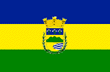
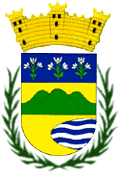
Anthem: Junto a las costas del mar Atlántico...
Human & Capital Resources
Economy
Tourism, hospitality, restaurants, and outdoor recreation are the primary drivers of Luquillo's economy. Agriculture historically centered on coconuts, tropical fruits, and sugarcane, while today the town benefits from its proximity to El Yunque National Forest and its reputation as one of Puerto Rico's premier beach destinations.
Education
There are 10 public schools in Luquillo, education is handled by the Puerto Rico Department of Education.
Demographics *
Population
17,781
Land Area: 25.81 sq mi
Density: 694.4 per sq mi
Median Age: 43.1
Sex: 53% female
Economics **
$11,479
Median household income: $21,805
Puerto Rico: $21,058
Persons below poverty line: 42.2%
Housing, families and educational attainment *
Number of households
6,660
Housing units density:
425 (2013)
Persons per household: 2.69
High school grad or higher: 78.6%
Marital status: 39% married
* U.S. Census Bureau 2020 data, unless otherwise noted - Source: Quick Facts Puerto Rico.
** U.S. Census Bureau 2016-2020
Map References
Coordinates: 18.3725° N, 65.7167° W
ZIP Code: 773
Driving Distance from San Juan: 23.3 miles
Driving Time: 45 minutes
Did You Know?
Enrique A. Laguerre was nominated for the Nobel Price for Literature in 1999. He is considered the most important Puerto Rican novelist.
This is your comprehensive guide to La Isla del Encanto.


