
Culebra, Puerto Rico
(koo-LAI-brah)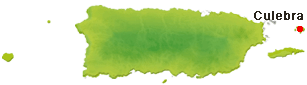
Located just 17 miles (27 km) east of the mainland, Culebra or Isla Chiquita—feels like stepping back in time to the old Caribbean.
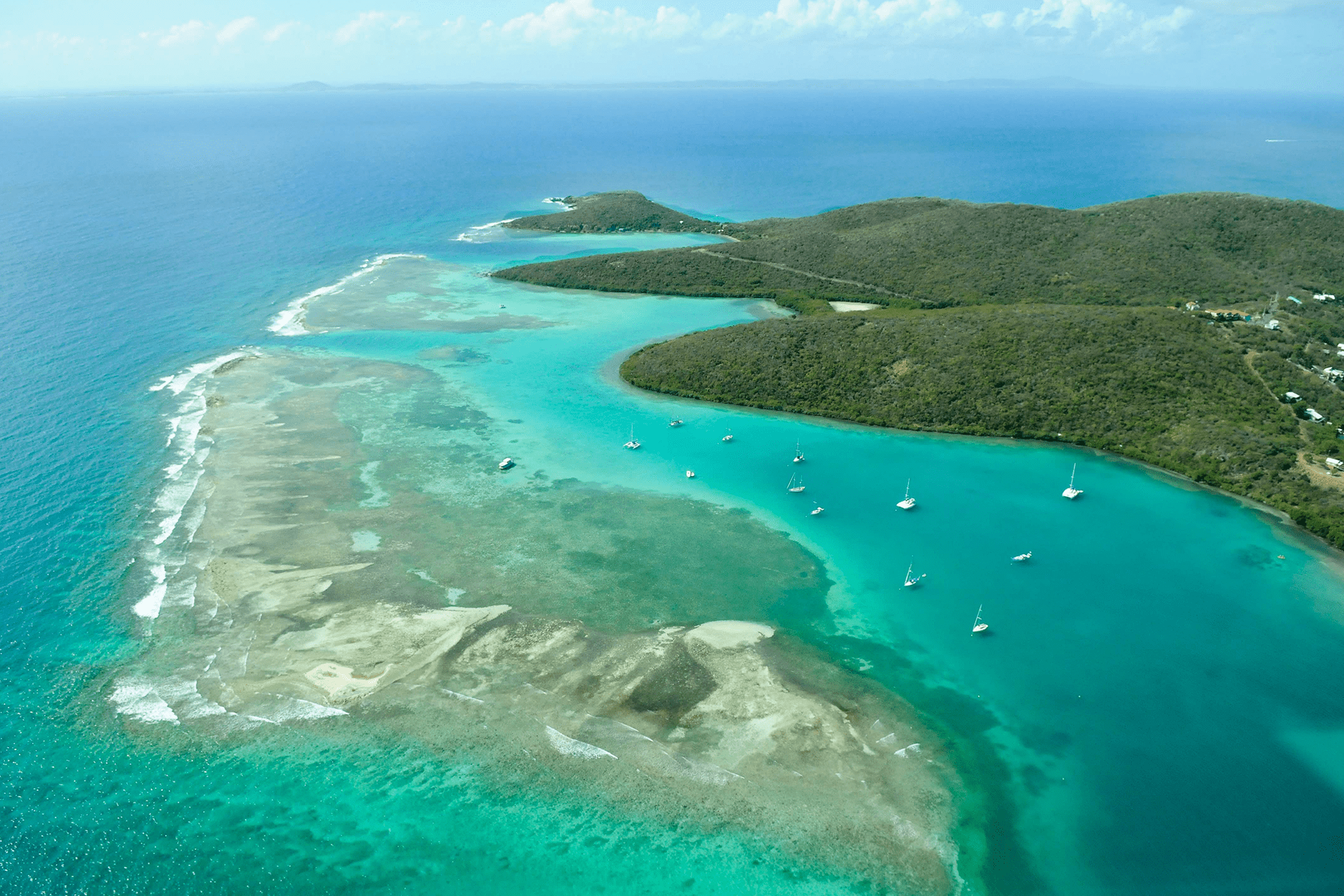
This tiny island municipality is renowned for its crystal-clear turquoise waters and a remarkably laid-back atmosphere. Home to the internationally acclaimed Flamenco Beach and the Culebra National Wildlife Refuge, it is a haven for snorkeling, diving, and kayaking. Here, snorkelers can glide through spectacular coral reefs that are considered among the best in the Caribbean region, nodding good-day to an astounding variety of sea creatures. If you are seeking a genuinely unspoiled Caribbean treasure with a small-scale, authentic tourism vibe, take it from a local: Culebra is exactly where you need to be.
Culebra is also known as "Ultima Virgen" (last virgin) due to its position at the end of the Spanish Virgin Islands archipelago.
Overview
Why Visit Culebra?
Culebra offers an unforgettable island escape with some of the Caribbean's most spectacular beaches and marine ecosystems. Whether you're relaxing on the white sands of Flamenco Beach, snorkeling with sea turtles at Tamarindo Beach, or exploring protected coral reefs, Culebra is the perfect destination for travelers seeking natural beauty and tranquility.
Why I Love Culebra?

Culebra reminds me that Puerto Rico isn't just one destination—it's many different islands, each with its own personality. Every time I visit, I'm struck by how incredibly clear the water is and how easy it is to disconnect from the busy pace of everyday life.
Before You Go
I've been sharing Puerto Rico with visitors for more than 30 years. My biggest piece of advice for Culebra is simple: don't try to see everything. Spend more time in fewer places. Some of my best memories on the island aren't from checking attractions off a list—they're from sitting on the beach listening to the waves.
Top Things to Do in Culebra
Nature & Wildlife
Culebra National Wildlife Refuge
Established in on February 27, 1909, by US President Theodore Roosevelt. The Culebra National Wildlife Refuge is one of the oldest refuges in the system. The refuge preserves thousands of acres of beaches, forests, mangroves, coral reefs, and offshore cays. It provides habitat for large colonies of sea birds (with approx. 85 species), particularly terns, red-billed tropic birds and boobies, nesting sea turtles of nesting sea turtles, and numerous marine species.
The island (about 20%) and the surrounding 23 islets including Culebrita are protected by the U.S. Fish and Wildlife Service, making the islands one of only two nesting sites for giant sea turtles in the U.S. The mangroves within the refuge are a unique habitat which is vital for coastal wildlife. It is known that this area is a favorite roosting site for the endangered brown pelican.
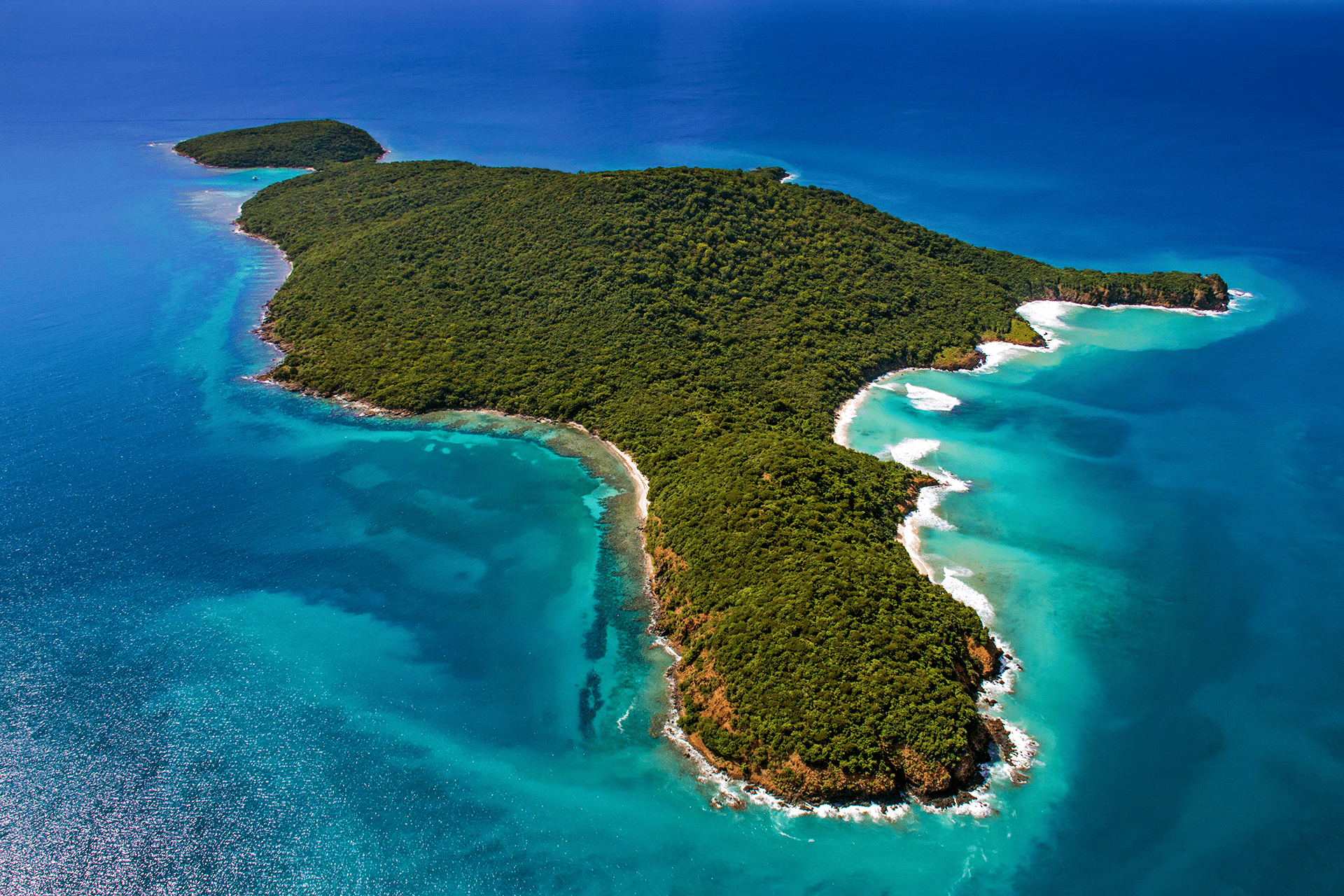
Culebrita Island
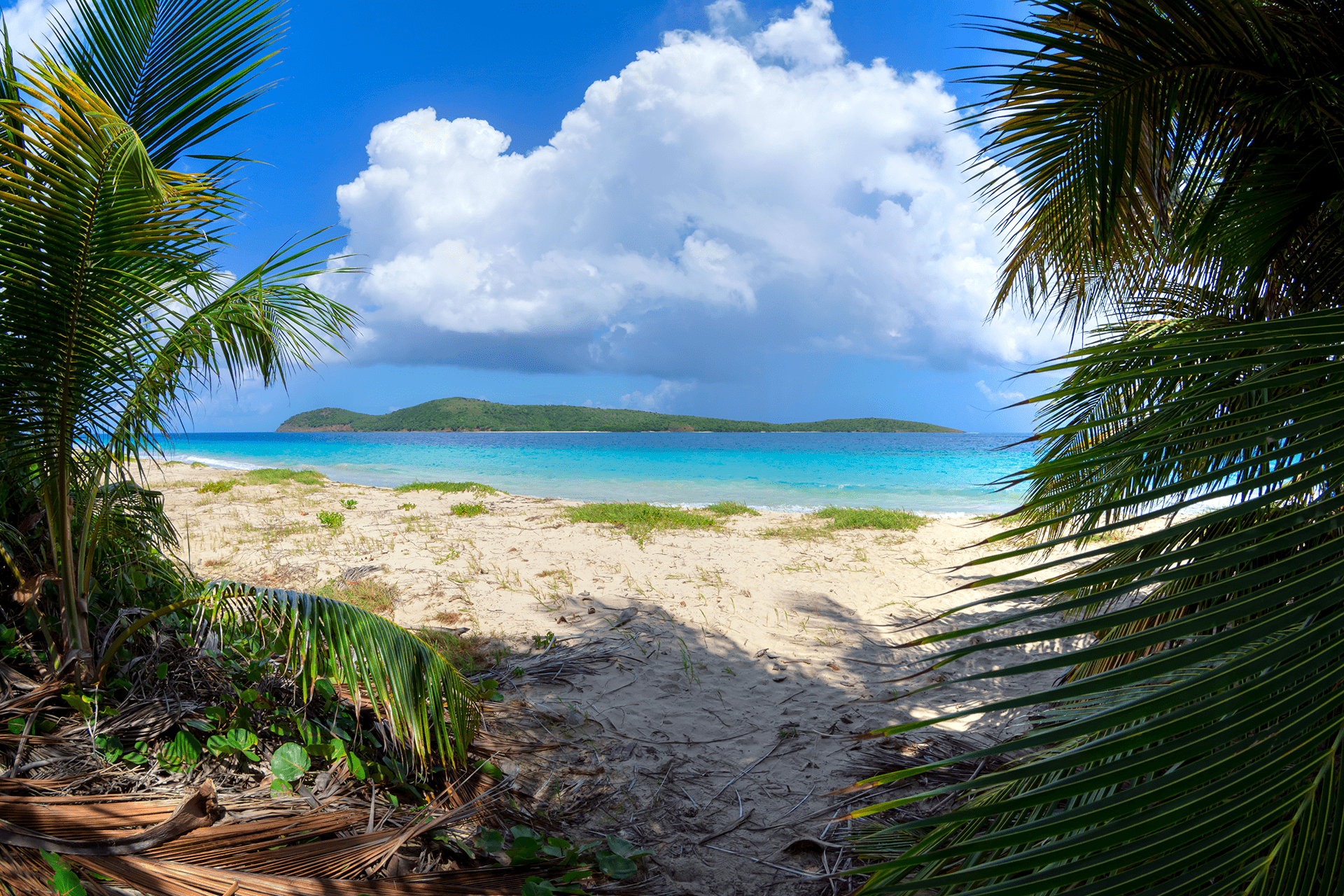
Culebrita is the largest cay near Culebra. Located on the north side, Culebrita's beach is one the finest examples of white sand and incredible clear waters.
You can visit the surrounding cays, but permits are required and available from the Fish and Wildlife Service, Box 510, Boquerón, PR 00622. Visits are administered by Culebra National Wildlife Refuge and regulated to insure protection of the rich and diverse resources. For information write to: Refuge Manager, U.S. Fish and Wildlife Service, General Delivery - Lower Camp Culebra, Puerto Rico 00775.
Culebrita Lighthouse
Built in 1886, the Culebrita Lighthouse was one of the oldest lighthouses in the Caribbean. Although no longer operational, its ruins offer spectacular panoramic views.
Luis Peña
This is the second largest cay near to Culebra. Many sandy beaches can be found on this cay, Luis Peña beach included, as well as wonderful coral reef located on the southwest side, perfect for snorkeling.
Beaches
Flamenco Beach
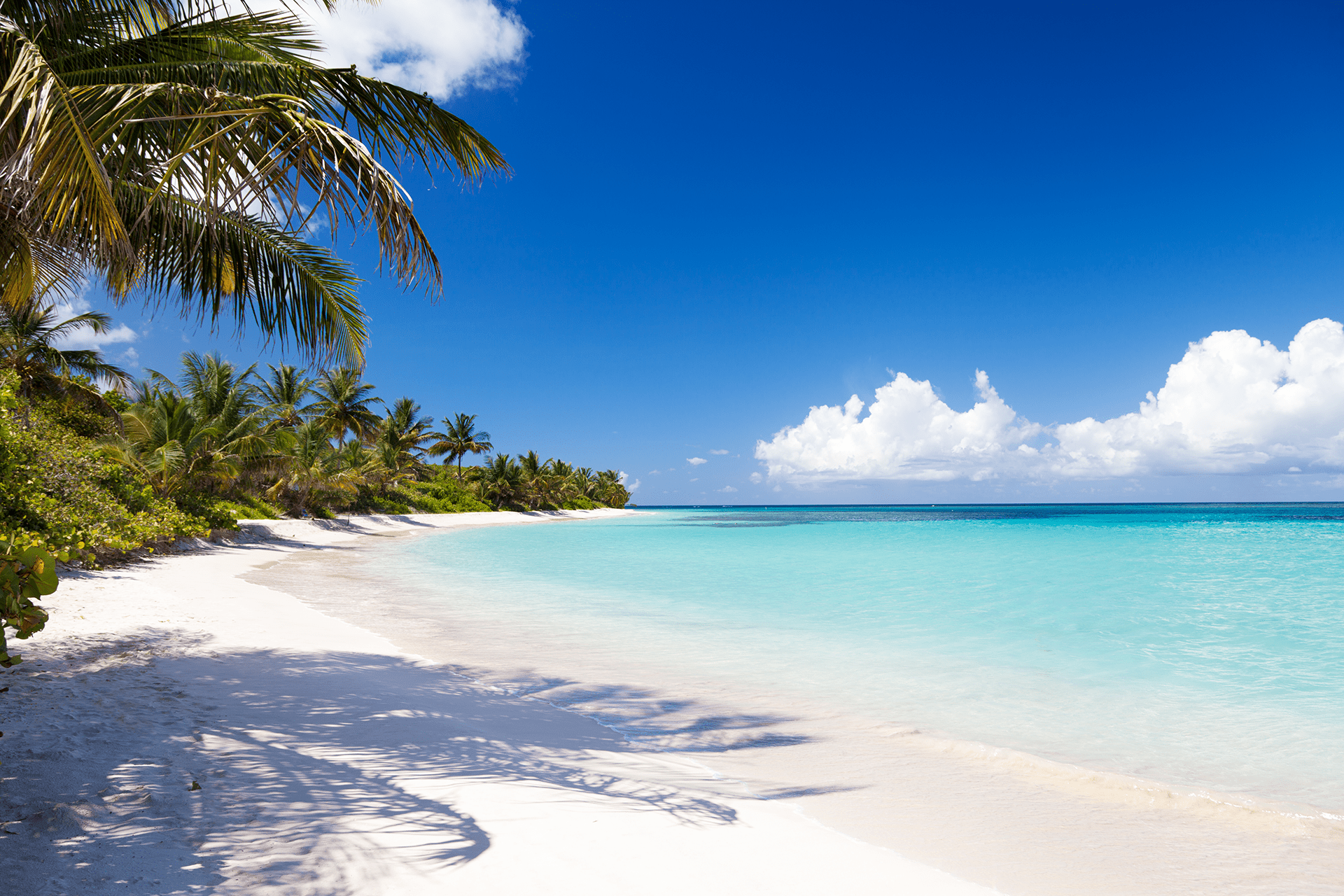
Frequently ranked among the world's best beaches, Flamenco Beach is famous for its powdery white sand, calm turquoise waters, colorful fish, and iconic military tanks left from the island's former Navy training days. Camping is available at Flamenco Beach on the north shore.
Tamarindo Beach
One of Puerto Rico's best snorkeling beaches, Tamarindo Beach is known for its sea turtles, colorful tropical fish, and calm waters.
Carlos Rosario Beach
Accessible by hiking trail from Flamenco Beach, Carlos Rosario offers exceptional snorkeling and some of the healthiest coral reefs in Puerto Rico.
Melones Beach
A quiet beach close to Dewey that offers excellent snorkeling and easy access for visitors looking to avoid larger crowds.
Plan your Visit
Although Culebra feels worlds away from the mainland, it's easily reached by ferry or a short flight. Once on the island, visitors can explore some of Puerto Rico's most spectacular beaches, protected nature reserves, and crystal-clear waters.
Getting There
By Air
Culebra has a small airport provideing domestic flights to and from San Juan ($60 one-way). The airport is served by Air Culebra from San Juan's Luis Muñoz Marin International Airport and by Vieques Air Link from San Juan, Fajardo and Vieques.
By Sea
Passenger ferries depart from Ceiba several times daily, from the ferry terminal to Playa Flamenco. The ferry ride is about 45 minutes.
For information about Ferry Schedules you may contact the Puerto Rico Ports Authority at (787) 863-0705, (787) 863-0852 or (787) 742-3161.
For information about Air Travel Schedules you may contact Isla Nena Air Services, Inc., Vieques Air Link, Air Culebra (Charter) at (787) 268-6951, or Flamenco Airways Inc. (Charter) at (787) 723-8110 or (787) 725-7707.
Entry Requirements
As a U.S. territory, Puerto Rico requires no passport for U.S. citizens — a government-issued ID suffices. International visitors follow standard U.S. entry requirements.
Getting Around
Rental Car
Available in limited numbers.
Golf Carts & Jeeps
The most popular way to explore the island.
Taxis & Rideshare
Publicos and taxis meet arriving ferries and flights.
Walking
Dewey is easily explored on foot.
Featured Tours
Nature & Resources
Geography
Culebra is located 27 km (17 miles) east of Puerto Rico and 19 km (12 miles) west to Saint Thomas, its dimensions are about 11 km (7 miles) long and 5 km (3.5 miles) wide. Culebra consist of the main island and twenty-three smaller islands that lie off its coast.
Culebra has sparse, thin soils and no permanent rivers or streams; water is obtained from a desalinization plant. Grazing and fishing are the principal activities of its few inhabitants.
The capital is Dewey, which contains most of the archipelagoes 2000 souls. The municipality includes all surrounding islets: Norte, Ballena, Geniquí, Tiburń, Sombrero, Matojo, Colorado, Culebrita, Luis Peña (named after its second owner), Las Hermanas, El Mono, Lobo, Lobito, La Pela, La Pelita, Del Agua, Yerba, Raton, Pirata, Verde, Botijuela, Alcarraza, Los Gemelos, and Piedra Stevens.
Neighborhoods & Barrios
Culebra consists of six barrios (PDF) (wards or districts), each contributing to the island's unique blend of coastal communities, protected natural areas, and spectacular beaches. Together, they preserve the peaceful character that makes Culebra one of Puerto Rico's most treasured island destinations.
- Dewey
- Flamenco
- Fraile
- Playa Sardinas 1
- Playa Sardinas 2
- San Isidro
Climate
Culebra enjoys year-round summer temperatures, an average annual temperature of 80.76°F (27.09°C). On average, the warmest month is September, and the coolest month is March.
Culebra averages 6.37 inches (162 mm) of rain per year. November is the average wettest month.
CULEBRA WEATHER10 Day Forecast from weather.com
Where to Stay
- Club Seabourne
- El Navegante
- Villa Flamenco Beach
- Mamacita's
- Posada La Hamaca
- Sea Breeze Hotel
- Vieques Love Villas
- Hix Island House
- Amapola Beach Inn
- Villa Coral Guesthouse
Local Flavors & Festivities
Where to Eat
- Dinghy Dock
- Mamacita's
- Susie's Restaurant
- Heather's Pizza (casual favorite)
- Dinghy Dock
- Mamacita's
- Blac Flamingo Coffee
- Pandeli
- Local bakeries
Festivals and Events
Displaying 4 results.
-
Concurso de Windsurf
- February
Windsurfing competition drawing local and international athletes to Culebra's ideal Caribbean waters for races and exhibitions.
-
Fiesta de Artesanía de Culebra
- November
Annual artisan fair showcasing handcrafted goods, local artists, traditional crafts, live music, Puerto Rican cuisine, and cultural demonstrations celebrating the island's creative heritage.
-
Fiestas Patronales de Nuestra Senora del Carmen
- July
Culebra's patron saint festival honoring Nuestra Señora del Carmen with religious processions, live music, artisan vendors, carnival rides, traditional Puerto Rican food, and family entertainment in Dewey.
-
Torneo de Pesca de Culebra
- March
Annual sport fishing tournament attracting local and visiting anglers for offshore competition while celebrating Culebra's maritime heritage with community activities and awards.
Moments in History
1493
Christopher Columbus sailed past the island during his second voyage.
1880-81
Culebra original names were "Isla Pasaje" and "Isla de San Idelfonso" in
honor of Bishop San Idelfonso de la Culebra.
Culebra was founded on October 27, 1880 by Cayetano Escudero. Later, he was the first
Delegate of Culebra appointed by a Governmental order from Vieques on August 2, 1881.
The town of San Ildefonso de la Culebra (now Dewey) was established.
1894
Written reports indicated that there were 519 residents living in five communities: San Ildefonso,
Flamenco, San Isidero, Playa Sardinas I y II, and Frayle. There were 84 houses built, 24 of them in the San Ildefonso community.
1903
On June 26, US President Theodore Roosevelt established the Culebra Naval Reservation. With the outbreak of WWII in 1939, the Culebra Archipelago became the primary gunnery and bombing practice site for the U.S. Navy and continued to be used for these purposes until 1975. Many military relics, including tanks, remain in the area.
1909
Culebra National Wildlife Refuge becomes the first wildlife refuge in the Caribbean.
1900s–1975
The U.S. Navy used portions of Culebra for military training.
1975
Military exercises ended following public protests.
Today
Culebra is internationally recognized for Flamenco Beach, marine conservation, and eco-tourism.
City Symbols
Culebra's municipal symbols tell the story of a small island with a remarkably distinctive identity. The flag and coat of arms incorporate references to Culebra's original Spanish name, its earliest settlers, its connection to Puerto Rico, its maritime geography, and the community's historic struggle to recover lands used by the United States Navy.
Flag
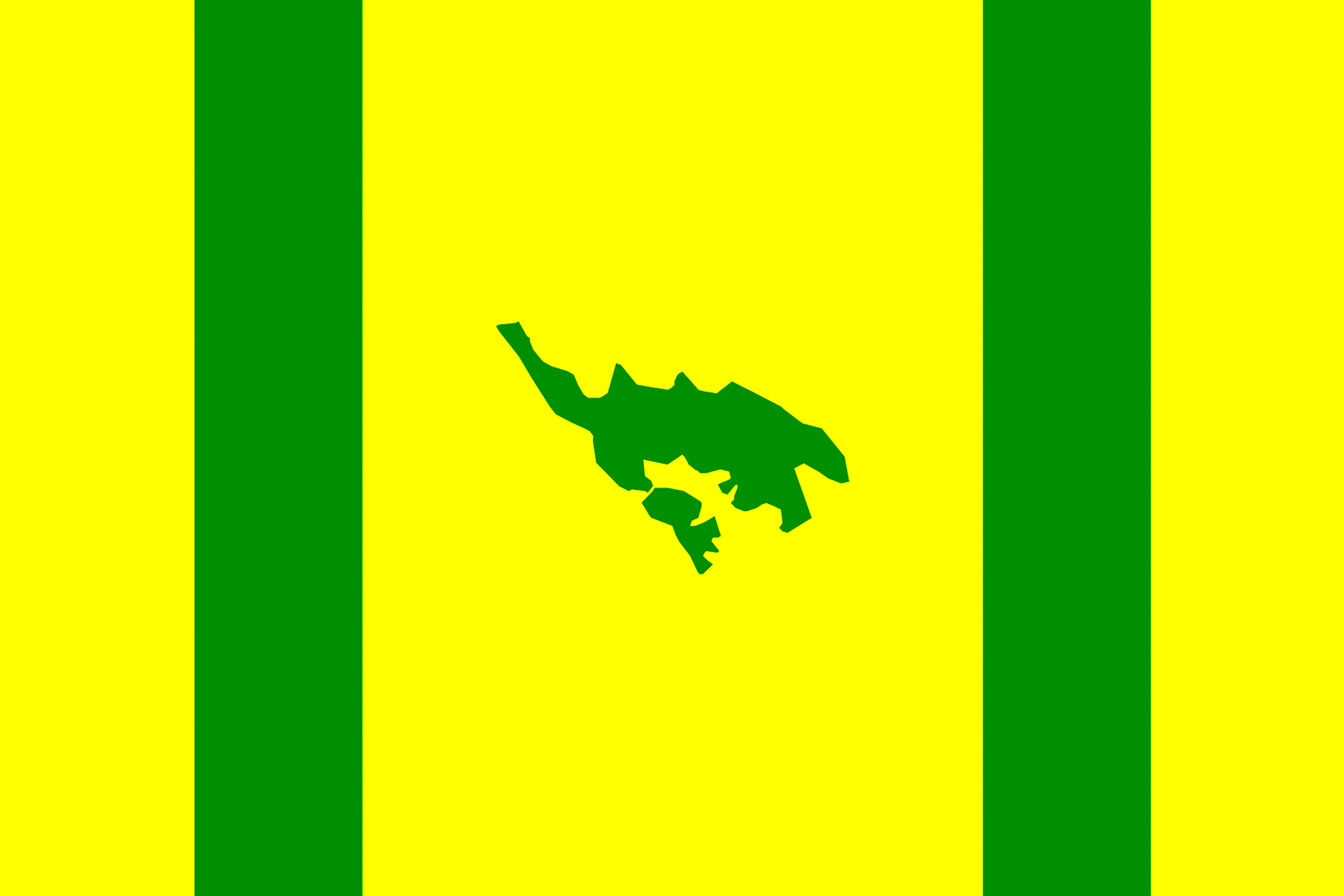
The flag of Culebra consists of five vertical stripes: three yellow stripes alternating with two green ones. The broad yellow stripe in the center contains a green silhouette of the island of Culebra.
The colors have particular historical significance. Yellow recalls the flags used by the Culebra Delegation and the Committee for the Rescue of Culebra during the community's campaign over the use of the island's lands. Green refers to the traditional green of Puerto Rico's coat of arms and emphasizes Culebra's identity as part of Puerto Rico.
At the center, the green outline of Culebra makes the island itself the principal symbol of the flag — an especially appropriate design for one of Puerto Rico's island municipalities.
Coat of Arms
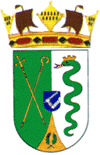
Culebra's coat of arms contains several heraldic elements representing different chapters of the island's history. Together they reference its original name, early settlement, insular geography, and the determination of the culebrense community to defend its land.
The Cross and Episcopal Crozier
On the green portion of the shield are a cross and an episcopal crozier crossed diagonally. These represent Saint Ildephonsus (San Ildefonso), Bishop of Toledo, and preserve the memory of the island's former name, San Ildefonso de la Culebra.
This is one of the most historically meaningful elements of the coat of arms because it connects today's municipality with the name used during the early period of its development.
The Crowned Serpent
The green serpent is a direct visual reference to the municipality's name: culebra means "snake" or "serpent" in Spanish. It is an example of what heraldry calls a "canting" symbol — an image that visually represents the name of the place or family it identifies.
The serpent wears a small mural crown, reinforcing Culebra's status as a municipality.
The Armed Arm and Sword
At the center of the shield is a smaller red shield displaying an arm holding a sword. Historical descriptions associate the figure with the Escudero family, among Culebra's early settlers.
The symbol also came to represent the determination with which the people of Culebra, supported by other Puerto Ricans, defended their rights and sought the return of lands occupied for military purposes.
The Laurel
At the bottom of the shield appears a green laurel wreath. Laurel has traditionally symbolized victory and civic achievement. In Culebra's coat of arms, it commemorates the community's successful struggle to regain control of lands affected by the United States Navy's presence.
The symbolism gives the coat of arms an unusual connection to modern Puerto Rican history: it does not simply commemorate the municipality's colonial origins, but also preserves the memory of twentieth-century civic activism.
The Naval Crown
Instead of the more familiar mural crown found on many municipal coats of arms, Culebra's shield is topped by a distinctive naval crown incorporating ships and sails.
The naval crown represents Culebra's insular and maritime character. Surrounded by the waters of the Caribbean and Atlantic and separated from Puerto Rico's main island, Culebra's history, economy, transportation, and culture have always been closely connected with the sea.
A Symbol of Culebra's Struggle for Its Land
Perhaps the most distinctive aspect of Culebra's municipal symbolism is its connection with the community's struggle against the military use of the island.
For much of the twentieth century, portions of Culebra and its surrounding waters were used by the United States Navy for military exercises. Local residents organized protests and political campaigns seeking an end to the exercises and the return of their lands. The Navy ultimately ended its operations on Culebra in 1975.
That history remains embedded in Culebra's symbols. The yellow of the flag recalls organizations associated with the defense of Culebra, while the armed arm and laurel imagery in the coat of arms evoke determination and civic victory. The result is a municipal emblem that represents not only Culebra's origins, but also the community's defense of its island home.
Anthem
Culebra's municipal anthem is Culebra Isla Preciosa, written by Edgardo Romero.
Like the flag and coat of arms, the anthem celebrates the island itself and the strong sense of identity that distinguishes Culebra and its residents, known as culebrenses.
Human & Capital Resources
Economy
Culebra's economy is centered on tourism, making it one of Puerto Rico's premier destinations for nature lovers and beach enthusiasts. Visitors from around the world come to experience iconic beaches such as Flamenco Beach, world-class snorkeling and diving, boating, kayaking, and the protected ecosystems of the Culebra National Wildlife Refuge. Tourism supports a wide range of local businesses, including hotels, vacation rentals, restaurants, tour operators, water sports companies, retail shops, and ferry and air transportation services. Beyond tourism, Culebra's economy includes government services, education, fishing, small retail businesses, and marine-related industries that serve both residents and visitors. Because of its small population and island location, many goods and supplies arrive by ferry or air from mainland Puerto Rico. The municipality continues to balance economic growth with environmental conservation, recognizing that protecting its beaches, coral reefs, wildlife, and natural landscapes is essential to preserving both its quality of life and its tourism-based economy.
Education
Education plays an important role in Culebra's close-knit community. The municipality is served by public schools that provide instruction from elementary through high school, allowing students to complete their primary and secondary education without leaving the island. These schools serve not only as educational centers but also as important gathering places for community events and cultural activities.
Students pursuing higher education typically continue their studies at colleges and universities on Puerto Rico's main island, including campuses of the University of Puerto Rico, Inter American University, and other public and private institutions. Many residents travel to Ceiba by ferry or short flight before continuing to campuses throughout Puerto Rico. Community organizations, environmental programs, and the Culebra National Wildlife Refuge also provide opportunities for learning through conservation initiatives, marine science, and environmental education, reflecting the island's strong commitment to protecting its unique natural resources.
Medical Services
Despite its size, Culebra has a health clinic with a pharmacy and a hospital with 24-hour emergency room.
Demographics *
Population
1,792
Land Area: 11.62 sq mi
Density: 117.7 per sq mi
Median Age: 43.4
Sex: 53% female
Economics **
$15,830
Median household income: $25,658
Puerto Rico: $21,058
Persons below poverty line: 31%
Housing, families and educational attainment *
Number of households
514
Housing units density:
138 (2013)
Persons per household: 2.67
High school grad or higher: 77.7%
Marital status: 30% married
* U.S. Census Bureau 2020 data, unless otherwise noted - Source: Quick Facts Puerto Rico.
** U.S. Census Bureau 2016-2020
Map References
Coordinates: 18.3169° N, 65.2900° W
ZIP Code: 775
Driving Distance from San Juan: 29.1 miles
Driving Time: 52 minutes to Fajardo, take a Ferry
Frequently Asked Questions
Where is Culebra located?Culebra is a small island municipality located about 17 miles (27 km) east of mainland Puerto Rico, between the main island and St. Thomas in the U.S. Virgin Islands.
How do you get to Culebra?
You can reach Culebra by ferry from Ceiba or by a short 30-minute flight from San Juan or Ceiba.
What is Culebra known for?
Culebra is famous for Flamenco Beach, crystal-clear turquoise waters, world-class snorkeling, vibrant coral reefs, and the protected Culebra National Wildlife Refuge.
Why is Flamenco Beach famous?
Flamenco Beach is consistently ranked among the world's best beaches for its powdery white sand, calm turquoise waters, excellent swimming, and the iconic military tanks painted with colorful graffiti.
What are the best beaches in Culebra?
Popular beaches include Flamenco Beach, Carlos Rosario Beach, Tamarindo Beach, Zoni Beach, Melones Beach, and Punta Soldado Beach.
Can you snorkel with sea turtles in Culebra?
Yes. Tamarindo Beach is one of Puerto Rico's best places to snorkel with green sea turtles, tropical fish, and colorful coral reefs.
Can you visit Culebrita Island?
Yes. Culebrita is accessible by boat or water taxi and is known for Tortuga Beach, its historic lighthouse ruins, and excellent snorkeling.
Do you need a golf cart or rental car?
Yes. Golf carts, Jeeps, and rental vehicles are the most convenient ways to explore Culebra's beaches, nature trails, and attractions.
How far is Culebra from San Juan?
Culebra is about 20 miles (32 km) from San Juan by air and can be reached in approximately 30 minutes by plane or by ferry from Ceiba after driving about 1 hour from San Juan.
When is the best time to visit Culebra?
Culebra is a year-round destination, but December through April offers the most pleasant weather for beach activities, snorkeling, diving, and boating.
Other Resources
- Culebra Map by TravelMaps.com
- Culebra and Vieques Accommodations and Dining Map (Frommer's Puerto Rico, 5th Edition)
Did You Know?
Puerto Rico is home three bioluminescent bays. Mosquito Bay in Vieques, Laguna Grande in Fajardo and La Bahía Fosforescente in La Parguera.
Get Our Newsletter
Discover new places, local flavors, upcoming events, cultural stories, and some of our favorite finds from around the island.Read the Latest ¡La Isla! Newsletter
Follow Along


