
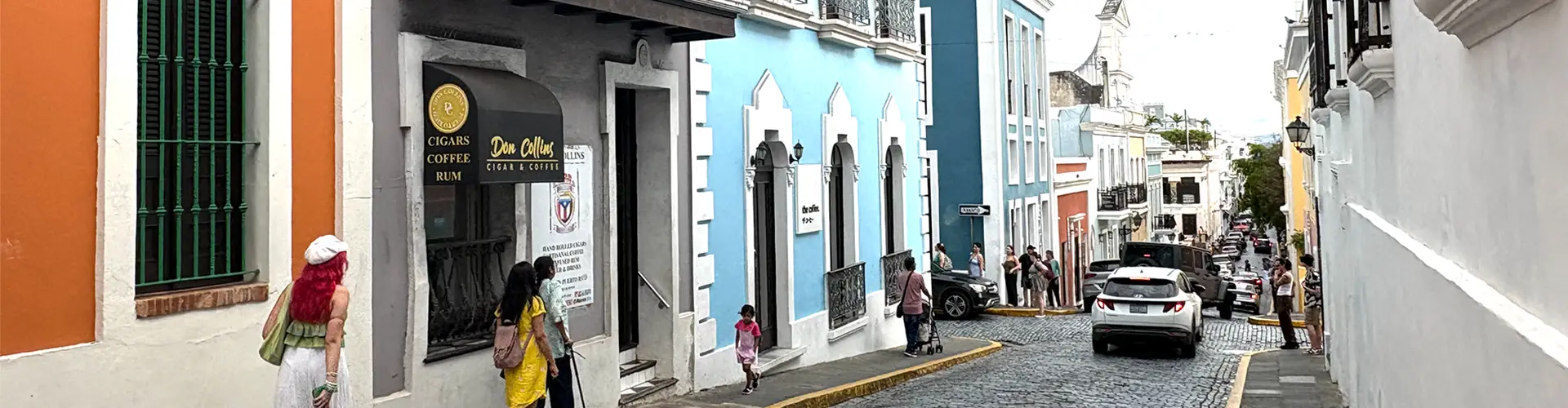
Puerto Rico's Culture and Traditions
Puerto Rican culture is rich, complex, and undeniably vibrant—some might call it colorful, others deeply rooted in history. Culture is the expression of a people’s traditions, values, and interactions with their environment, shaping what makes them distinct. Puerto Rico stands apart with its unique blend of influences that have shaped the island’s identity for centuries.
A Cultural and Racial Mosaic
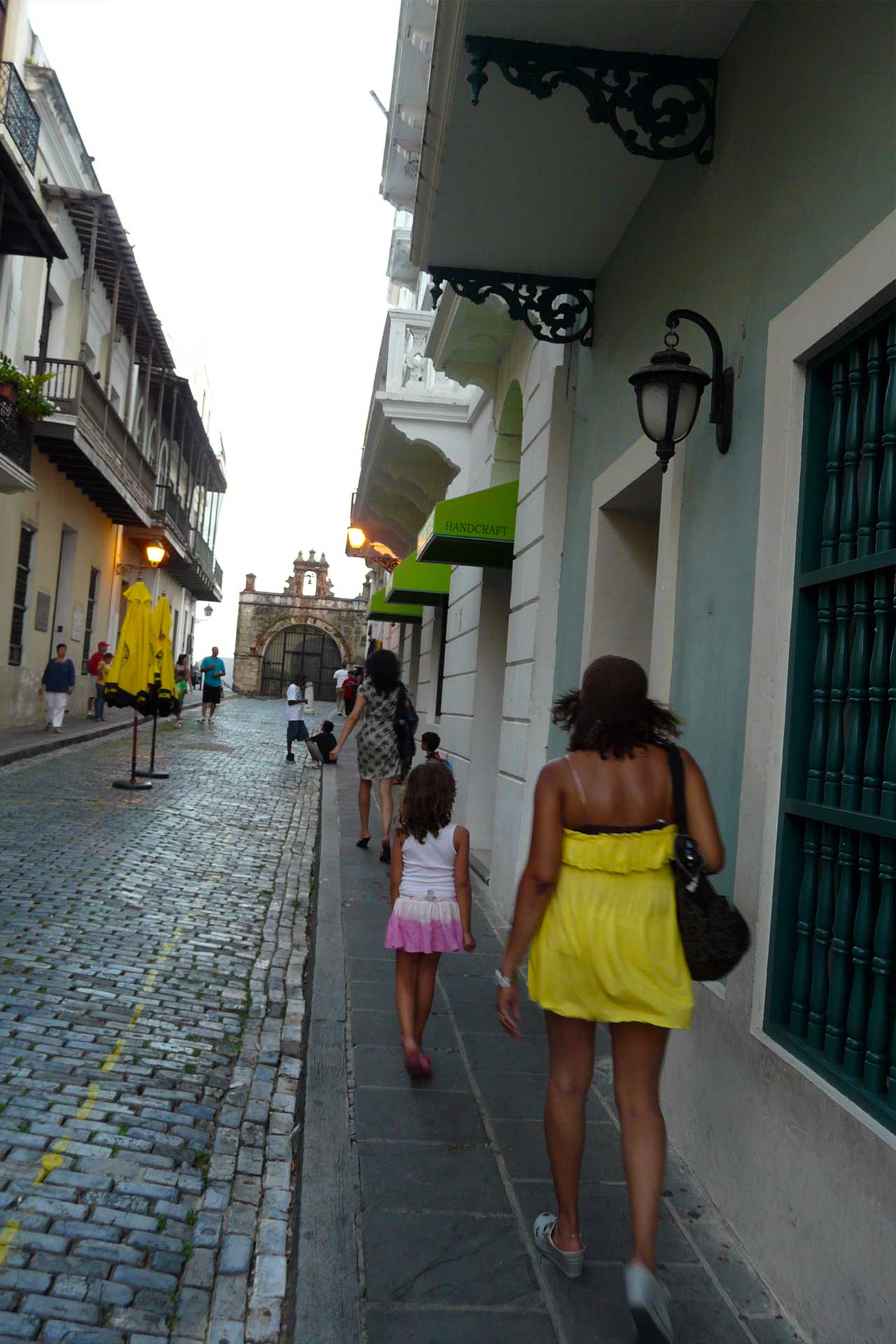
Puerto Rico’s diverse population is the result of centuries of migration, colonization, and cultural exchange.
- In the early 18th century, Spanish settlers intermarried with Taíno Indigenous women, forming the foundation of Puerto Rico’s mestizo (mixed) identity.
- To sustain agricultural production and infrastructure, African slaves were brought to the island, contributing to Puerto Rico's Afro-Caribbean heritage in music, dance, and cuisine.
- Over time, the island welcomed Chinese, Italian, French, German, Lebanese, and other European immigrants, further enriching its cultural diversity.
- In 1898, Puerto Rico became a U.S. territory, leading to the arrival of American expatriates and mainland influences.
- In the 1960s, thousands of Cuban refugees fled Castro’s Communist state, seeking new opportunities in Puerto Rico.
- More recently, economic migration from the Dominican Republic has added another layer to the island’s cultural tapestry.
This historical intermingling has created a multicultural Puerto Rico—one that is deeply proud of its heritage and yet constantly evolving. While racial harmony is a defining trait of Puerto Rico, issues of class and identity still exist, though they differ from those in other parts of the world.
A Nation of Contrasts
Puerto Rico is a land of contrasts and dualities—a place where modern and traditional, Spanish and American, old and new coexist harmoniously.
- Pride & Patriotism – While Puerto Ricans appreciate their free association with the United States, they are deeply loyal to their Puerto Rican identity, language, and traditions.
- Music & Dance – Puerto Rico is the birthplace of salsa, reggaetón, bomba, and plena, each carrying centuries of influence.
- Food & Flavors – A fusion of Spanish, African, and Indigenous Taíno flavors creates an unforgettable culinary experience—from lechón asado (roast pork) to mofongo (mashed plantains with garlic and pork cracklings).
- Festivals & Traditions – Puerto Rico celebrates hundreds of festivals each year, honoring religious, historical, and cultural traditions with music, food, and community gatherings.
Cultural & Natural Symbols of Puerto Rico
Puerto Rico's national symbols reflect the island's natural beauty, cultural identity, and historical heritage. From native wildlife to beloved folklore icons, these symbols are woven into everyday Puerto Rican life.
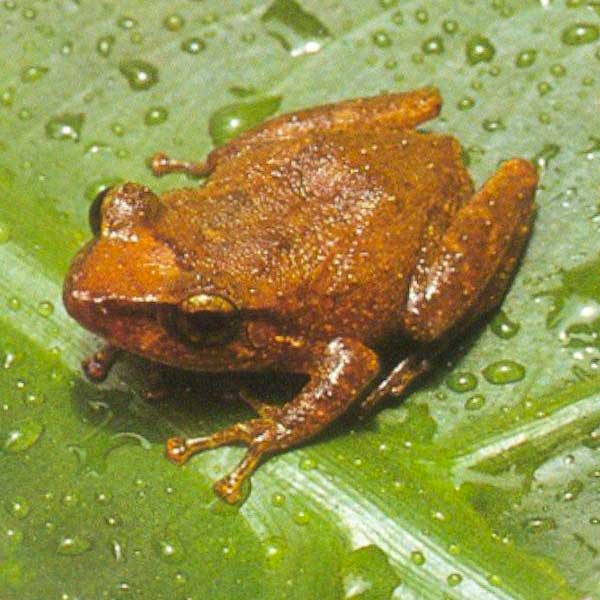
National Symbol
While the coqui - a tiny frog found everywhere
in the island - is not an official national symbol, its image figures
prominently in Puerto Rican culture and heritage. Known for its distinctive nighttime call, the coquí represents island pride and identity.
Interesting Fact
When Puerto Ricans want to express their nationality, they say: Soy de aquí
como el coquí (I'm as Puerto Rican as a coquí).
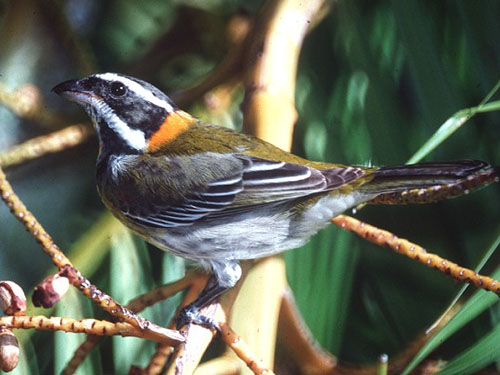
National Bird
Reina Mora
Spindalis portoricensis (formerly called the Stripe-headed
Tanager (Spyndalis zena portoricensis))
Also known as the Puerto Rican Spindalis, the Reina Mora is a colorful songbird native to the island. Its striking orange, black, and white plumage makes it one of Puerto Rico's most recognizable native birds.
National Flower
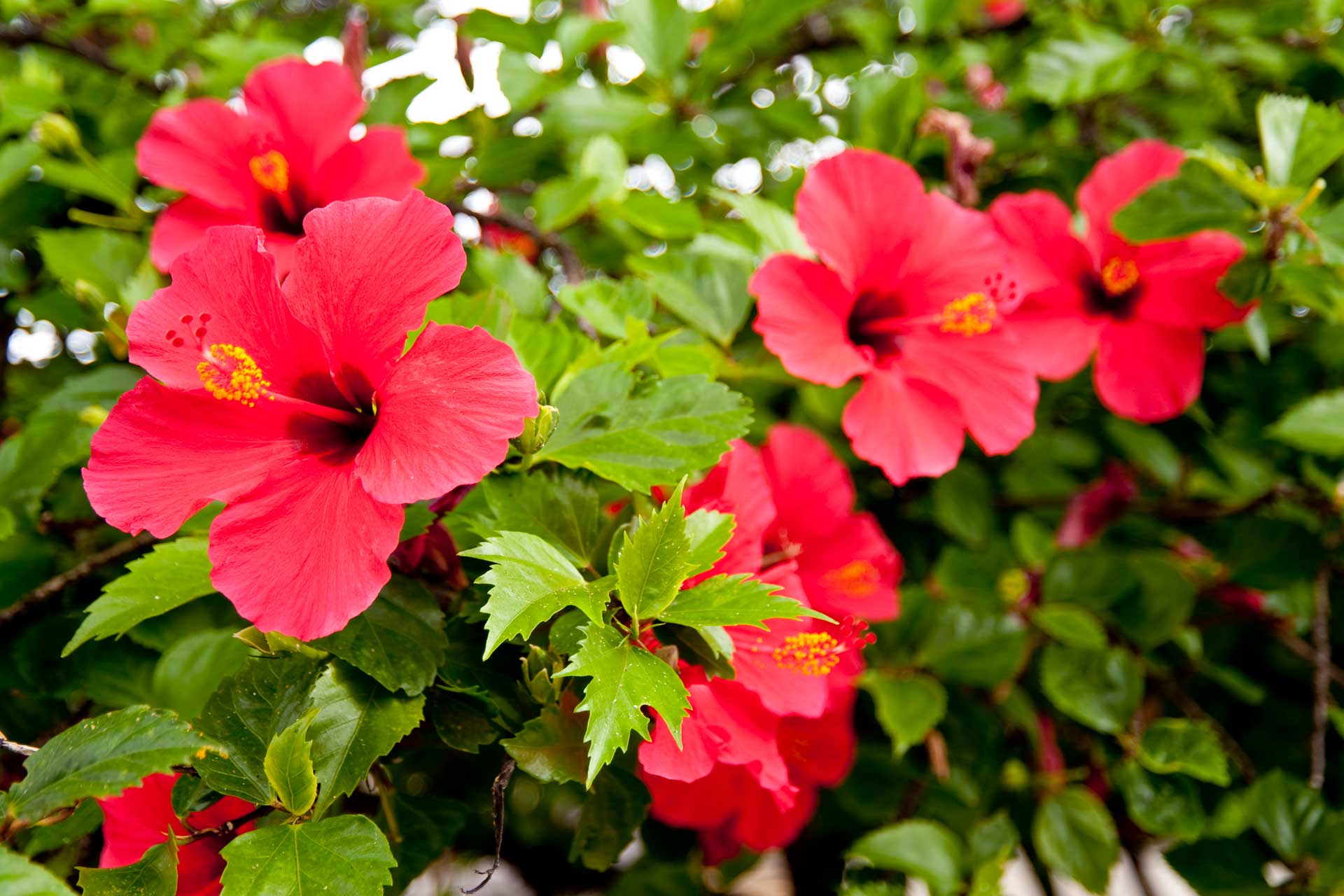
Flor de Maga
Puerto Rican hibiscus
(Thespesia grandiflora; Maga grandiflora; Montezuma)
The Flor de Maga resembles the hibiscus and is known for its large, vibrant red blossoms. It blooms year-round and is often associated with tropical beauty and resilience.
National Tree
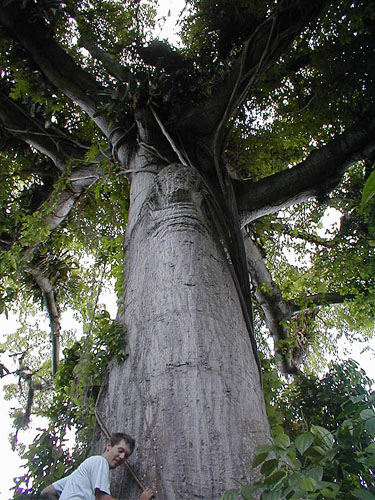
Ceiba
Silk-cotton tree (ceiba pentandra)
The Ceiba, or silk-cotton tree, is one of the largest and most majestic trees in Puerto Rico. In Taíno tradition, it was considered sacred and believed to connect the heavens, earth, and underworld.
National Instrument
Puerto Rican Cuatro
The Puerto Rican cuatro is a plucked 10-string instrument with a neck.
The word cuatro means "four", which was the total number of strings of the earliest Puerto Rican instrument.
A Living Culture
Puerto Rico’s culture is not just something preserved in history books—it’s alive, evolving, and woven into everyday life. From family traditions and street festivals to art, food, and music, the essence of Puerto Rican identity is felt everywhere.
Come experience the warmth, hospitality, and passion of Puerto Rico firsthand—you’ll leave with a deeper appreciation for the island’s incredible cultural richness.










Puerto Rican culture is a living, breathing expression of history, resilience, and passion. It is felt in the rhythms of salsa and bomba, tasted in the flavors of mofongo and lechón, and seen in the colorful festivals and warm hospitality of its people.
Through centuries of cultural blending, Puerto Rico has developed a unique identity—one that embraces its Indigenous Taíno roots, African heritage, Spanish traditions, and American influences while remaining fiercely Boricua at heart.
Whether you’re experiencing the energy of San Juan’s streets, the traditions of a small mountain town, or the breathtaking beauty of a coastal village, Puerto Rico invites you to immerse yourself in its culture, embrace its diversity, and celebrate its rich traditions.
Come experience the heart and soul of Puerto Rico—where every moment is a celebration of history, heritage, and warmth!
Did You Know?
San Juan is the oldest European-founded city in U.S. territory.


All content included on this website, is not public domain material. The content is the intellectual property of Magaly Rivera or her content providers. Any duplication or distribution of the information contained herein is prohibited without express written permission.
Designed & Developed by Pencils and Pixels