
Vieques, Puerto Rico
(vee-AI-kais)
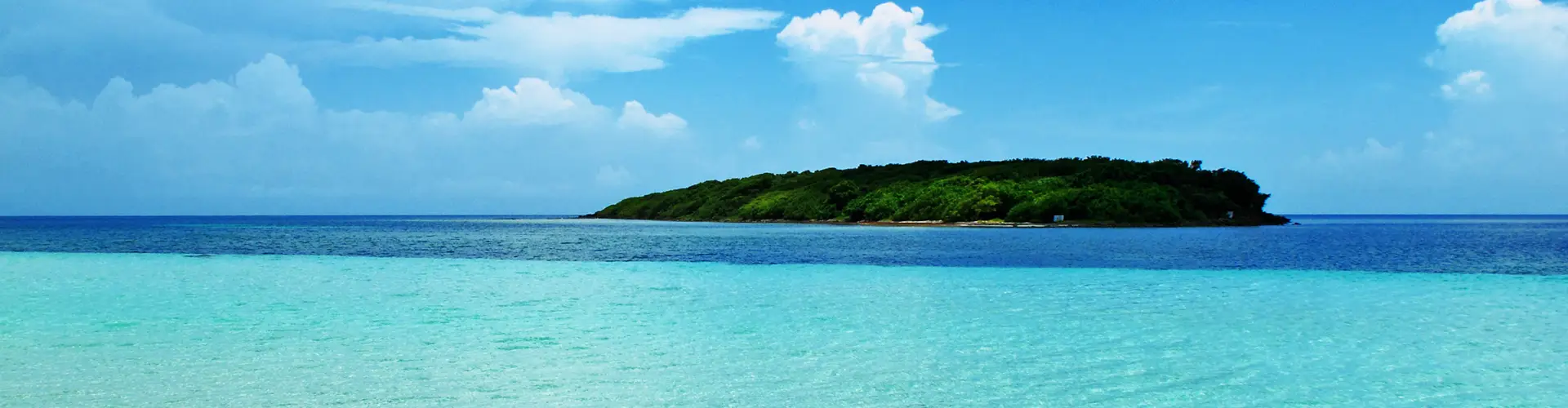
Located just eight miles east of Puerto Rico, Vieques is an island municipality renowned for its unspoiled beaches, protected wildlife refuges, wild horses, and the world's brightest bioluminescent bay. Once home to a U.S. Navy training range, Vieques has transformed into one of the Caribbean's premier eco-tourism destinations, offering visitors crystal-clear waters, quiet beaches, rich history, and a relaxed island atmosphere unlike anywhere else in Puerto Rico.
The island measures 21 miles (34 km) in length and 3 miles (5 km) in width, Vieques spans an area of 52 square miles (135 square km). This island, annexed to Puerto Rico in 1854, derives its name from the Taino Indian term for a small island, "bieques." Vieques is affectionately known as "La Isla Nena" (the little girl island) and "Isabel Segunda" (Isabel II). Its foundation in 1843 is credited to Francisco Saínz.
Overview
Why Visit Vieques?
Vieques offers an authentic Caribbean escape where nature takes center stage. With more than 40 pristine beaches, the world's brightest bioluminescent bay, a vast national wildlife refuge, and free-roaming horses, the island invites visitors to slow down and experience one of Puerto Rico's most beautiful and unspoiled destinations.
Why I Love Vieques?

Growing up in Puerto Rico, I learned that the best beach days aren't rushed. Arrive early, bring lunch, and plan to stay through sunset. Some of my favorite memories on the island came from doing exactly that.
Things I wish visitors knew
If your schedule allows, stay at least two nights. Watching Mosquito Bay is unforgettable, but waking up to a quiet Caribbean morning is just as special.
I always tell first-time visitors to spend an entire day at Flamenco Beach instead of trying to rush through Culebra. The island moves at a slower pace, and that's part of its charm.
What I Wouldn't Miss
If I Only Had One Day in Vieques
I'd catch the earliest ferry, spend the morning at Caracas Beach, snorkel at Sun Bay, enjoy lunch in Esperanza, explore Fortín Conde de Mirasol, and end the day kayaking through Mosquito Bay. It's a full day, but it captures everything that makes Vieques so special.
Top Things to Do in Cabo Rojo
Mosquito Bay (Bioluminescent Bay)
The island is also home of one of Puerto Rico's three bioluminescent bays. The Mosquito Bay (bioluminescent bay) was officially declared the brightest recorded in the world by Guinness Book of World Records 2008, recognized as a National Natural Landmark since 1980, and considered the best example of a bioluminescent bay in the United States.
This rare and remarkable phenomenon is caused by millions of luminescent dinoflagellates lighting up when disturbed by movement, leaving a trail of neon blue. The dinoflagellates, a tiny form of marine life, have characteristics of both plants and animals, their size range from about 5 to 2,000 micrometers (0.0002 to 0.08 inch). The water glows when the microorganisms in it are agitated.
Trips leave every night from the bar at Casa Del Frances (Island Adventures, Inc., 787-741-0717 or 787-741-3751).
The other two bioluminescent bays are Laguna Grande in the north-east in Fajardo and La Parguera in the south-west in Lajas.
Vieques National Wildlife Refuge
Covering nearly two-thirds of the island, this protected refuge features secluded beaches, mangrove forests, lagoons, hiking trails, and diverse wildlife. Visitors can explore some of Vieques' most pristine natural landscapes while spotting birds, sea turtles, and native plants.
Fortín Conde de Mirasol
Built in the mid-1800s, Fortín Conde de Mirasol is Puerto Rico's last remaining Spanish fort of its kind. Today it houses the Vieques Museum of History, Art, and Anthropology, showcasing the island's cultural heritage.
Esperanza Malecon
This lively waterfront promenade is lined with restaurants, cafés, shops, guesthouses, and beautiful ocean views. It's the island's social center and one of the best places to enjoy fresh seafood and Caribbean sunsets.
Fortín Conde de Mirasol
Built in the mid-19th century, Fortín Conde de Mirasol is the last Spanish fort constructed in the New World. Originally built to defend Vieques from pirates and foreign invasions, the fort later served as a prison before being carefully restored by the Puerto Rico Institute of Culture. Today it houses the Vieques Museum of History, Art, and Anthropology, featuring exhibits on the island's Taíno heritage, colonial history, military era, archaeology, and local culture, along with the Vieques Historical Archives.
Isabel Segunda
The island's principal town and ferry port, Isabel Segunda is Vieques' historic and commercial center. Visitors will find colorful colonial architecture, local restaurants, artisan shops, galleries, cafés, and the historic Fortín Conde de Mirasol, making it an excellent place to explore the island's culture and history.
Esperanza
Located on Vieques' southern coast, Esperanza is the island's most popular tourist village. Its scenic Malecón is lined with waterfront restaurants, boutique hotels, shops, and beaches, serving as the departure point for many tours to Mosquito Bay.
Punta Mulas Lighthouse
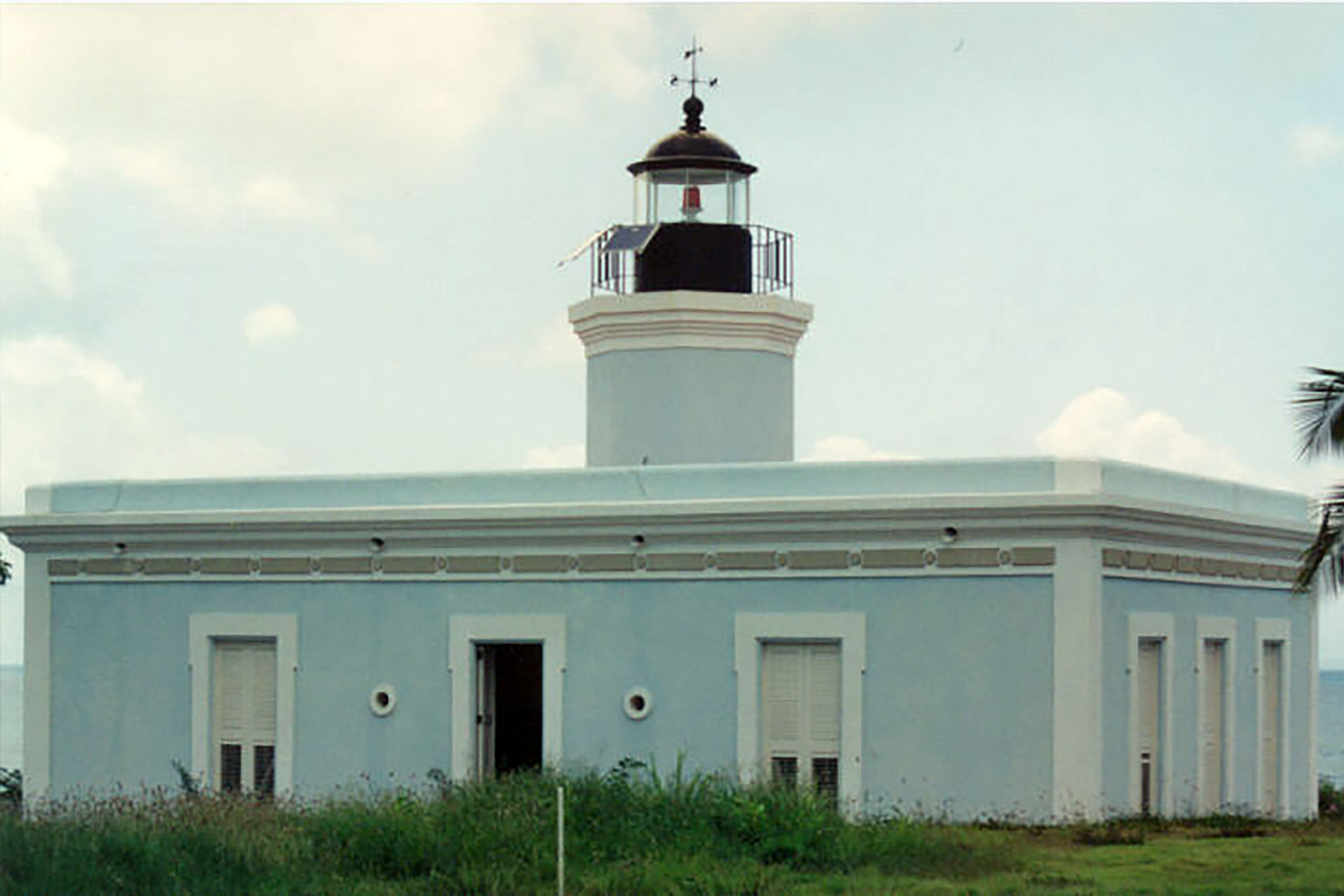
A beautifully restored lighthouse overlooking Isabel S
Vieques National Wildlife Refuge
Covering nearly two-thirds of the island, the refuge protects secluded beaches, lagoons, forests, and diverse wildlife, making it one of the Caribbean's premier conservation areas.
Beaches
Vieques is famous for its amazing beaches and there is a lot of them, ranging from pure white to soft black.
Sun Bay Beach
One of Vieques' most popular beaches, Sun Bay offers soft white sand, calm turquoise waters, picnic facilities, camping, and easy access for families. It's an ideal destination for swimming, snorkeling, and relaxing beneath swaying palm trees.
Caracas Beach (Red Beach)
Known for its powdery white sand and brilliant blue water, Caracas Beach consistently ranks among Puerto Rico's most beautiful beaches. Located inside the wildlife refuge, it provides excellent swimming and spectacular scenery.
Playa Negra (Black Sand Beach)
Accessible by a short hike, this unique beach features volcanic black sand created by ancient geological activity. It's one of the few black sand beaches in Puerto Rico and a favorite among photographers.
Playa La Plata (Silver Beach)
It is among the most popular beaches in the island and named accordingly because of its bright white sand.
Blue Beach (Bahía de la Chiva)
Snorkeling is excellent around the island of Vieques, especially at Playa Chiva, ranked among the best beaches in the Caribbean various years on Trip Advisor's Traveler's Choice Awards.
Other beaches include: Playa Escondida, Playa Grande (Big Beach), Playa Esperanza, Playa Media Luna, Playa Punta Arenas, Playa Cofi, and Playa Navío.
Explore Viques
Things Visitors Don't Expect
Most first-time visitors are surprised by how many wild horses roam freely across the island. Drive slowly, especially in the early morning and around sunset, because it's common to see them grazing along the roadside.
Plan your Visit
Whether you are arriving by air at Luis Muñoz Marín International Airport (SJU) or docking at the bustling cruise port, the city serves as the ultimate gateway to the Puerto Rican experience.
Getting There
By Air
Vieques can be reached by short flights from Luis Muñoz Marín International Airport (SJU) in San Juan or José Aponte de la Torre Airport (NRR) in Ceiba. Flights take approximately 25 to 30 minutes. You can also get a flight from St. Croix or St. Thomas (St. Thomas - Fajardo - Vieques).
For information about Air Travel Schedules contact Isla Nena Air Service Inc. at 1-888-263-6213, (787) 741-6362 or (787) 741-1577, Vieques Air Link at (787) 722-3736, (787) 723-9882 or (787) 863-3020, and Air St. Thomas 1-800-522-3084.
By Sea
Passenger and vehicle ferries operate between Ceiba and Vieques throughout the week. The ferry terminal is located in Isabel Segunda and provides an affordable transportation option for both residents and visitors.
For information about Ferry Schedules you may contact the Puerto Rico Ports Authority at (787) 863-0705, (787) 863-0852 or (787) 742-3161.
By Car
Rental cars, golf carts, and UTVs are available on the island. While bringing a vehicle by ferry is possible, availability is limited and reservations are recommended.
Entry Requirements
As a U.S. territory, Puerto Rico requires no passport for U.S. citizens — a government-issued ID suffices. International visitors follow standard U.S. entry requirements.
Getting Around
Most visitors rent a Jeep, SUV, golf cart, or UTV to explore the island's beaches and to reach evening kayak tours departing for Mosquito Bay.
Rental Car or Jeep
The best way to explore Vieques' remote beaches, wildlife refuge, and scenic roads.
Golf Carts & UTVs
Popular alternatives for visitors staying near Esperanza or Isabel Segunda, offering a fun and convenient way to travel short distances.
Bicycles & Walking
Esperanza and Isabel Segunda are easily explored on foot, with waterfront promenades, restaurants, and local shops within walking distance.
Nature & Resources
Geography
Vieques is divided into 8 barrios (PDF) (wards or districts), each contributing to the island's unique character. Together they encompass historic communities, protected wildlife areas, rural landscapes, and some of the Caribbean's most spectacular beaches.
- Isabel Segunda
- Florida
- Puerto Diablo
- Puerto Ferro
- Puerto Real
- Llave
- Mosquito
- Punto Arenas
Climate
Vieques enjoys year-round summer temperatures, an average annual temperature of 80.65°F (27.03°C). On average, the warmest month is September, and the coolest month is March.
Vieques averages 4.34 inches (110 mm) of rain per year. August is the average wettest month.
VIEQUES WEATHER10 Day Forecast from weather.com
Where to Stay
- Finca Victoria
- El Blok Hotel
- Hacienda Tamarindo
- Blue Horizon Boutique Resort
- Sea Gate Hotel
- The Vieques Guesthouse
- Trade Winds Guesthouse
- Hacienda Tamarindo
- Beachfront villas
- Esperanza vacation rentals
- Isabel Segunda apartments
- Airbnb homes
Local Flavors & Festivities
Where to Eat
- El Quenepo
- Bili
- Coquí Fire Café
- Bananas
- Esperanza Malecon restaurants
- Trade Winds
- Lazy Jack's
- Rising Roost
- Panadería Lydia
- Vieques Good Vibes Café
- Duffy's
Festivals and Events
Displaying 5 results.
-
Festival Cultural Viequense
- June
Annual celebration of Vieques' cultural heritage featuring local music, dance, artisan crafts, traditional food, historical exhibits, and community performances.
-
Festival de la Arepa Viequense
- February
Celebrates the traditional Viequense coconut arepa with local food, live music, folkloric performances, artisan vendors, health activities, and community events.
-
Festival de Reyes Magos
- January
A long-running Three Kings celebration held in Esperanza featuring children's activities, traditional music and dance, storytelling, arts and crafts, and community festivities honoring Puerto Rico's Día de Reyes tradition.
-
Fiesta de Exaltación a la Santa Cruz
- June
Traditional Viequense religious and cultural celebration featuring devotional music, community gatherings, traditional songs, and Puerto Rican Fiestas de Cruz traditions.
-
Fiestas Patronales de Nuestra Señora del Carmen
- July
Vieques' patron saint celebration honoring Nuestra Señora del Carmen with religious traditions, live music, food, artisans, family entertainment, and community festivities.(787) 741-5000
Moments in History
The island was originally inhabited by the Taíno people (descendants of earlier Arawak cultures), who established fishing villages and agricultural communities long before European arrival. Vieques' strategic location made it an important center for trade and navigation throughout the northeastern Caribbean.
Following the arrival of the Spanish, Vieques became a strategic outpost contested by several European powers. Its protected bays and isolated coastline also made the island a refuge for pirates, privateers, and smugglers operating throughout the Caribbean.
Construction of Fortín Conde de Mirasol was completed, making it the last Spanish fort built in the New World. The fort protected the island from foreign attacks and today serves as the Vieques Museum of History, Art, and Anthropology.
Punta Mulas Lighthouse was completed near Isabel Segunda to guide ships entering Vieques Harbor. Its original French Fresnel lens helped mariners navigate the eastern Caribbean and remains one of the island's most recognizable historic landmarks.
The U.S. Navy acquired approximately two-thirds of Vieques for military training and ammunition storage during World War II. Hundreds of families were displaced as military facilities expanded across the eastern and western portions of the island.
The history of Vieques took a dramatic turn in the 1940s when the U.S. Navy purchased 70% of the island (27,000 acres) for military training. For over sixty years, portions of the island served as a testing ground for amphibious landings, naval gunfire, and aerial bombing by U.S. and international allied forces. These activities deeply impacted the local economy, environment, and community—ultimately giving rise to a powerful wave of public protest and environmental activism that reshaped the island's future.
Civilian security guard David Sanes Rodríguez was killed during a military training exercise when two bombs landed off target. His death sparked widespread protests in Puerto Rico and internationally, becoming a turning point in the movement to end military exercises on Vieques.
Following years of protests and negotiations, the U.S. Navy ended all military operations on Vieques and transferred much of the former military land to the United States Fish and Wildlife Service and other public agencies. Large portions of the island are now protected as the Vieques National Wildlife Refuge.
Mosquito Bay is recognized as the brightest bioluminescent bay in the world.
Scientific studies and international recognition established Mosquito Bay as the brightest bioluminescent bay on Earth, making it one of Puerto Rico's most celebrated natural attractions and a major driver of eco-tourism.
Vieques has reinvented itself as one of Puerto Rico's leading eco-tourism destinations. Visitors come to experience Mosquito Bay, the world's brightest bioluminescent bay, more than 40 beaches, abundant wildlife, and a rich history that continues to shape the island's identity.
Notable People
Although small in population, Vieques has produced influential artists, educators, public servants, and community leaders who have contributed to Puerto Rico's cultural heritage and environmental preservation.
Famous Viequenes
Ismael Guadalupe
Historian & Community Leader
A respected historian and museum director, Ismael Guadalupe has dedicated decades to preserving the history and cultural heritage of Vieques while documenting the island's military past and environmental movement.
Antonio "Tony" Santana
Politics
Former mayor of Vieques who played an important role in the island's development and local government.
City Symbols
Flag
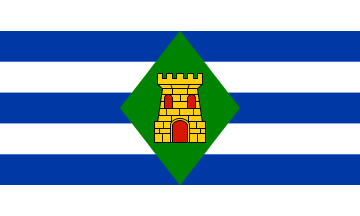
Vieques' flag features four horizontal white and blue stripes, representing the island's connection to the sea and its maritime heritage. At the center is a green diamond symbolizing the island itself, containing the municipal coat of arms. The design reflects Vieques' unique identity as Puerto Rico's largest offshore island and its close relationship with the Caribbean Sea.
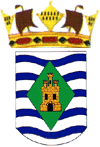
Coat of Arms
The coat of arms is rich in symbolism. A silver fortress represents Fortín Conde de Mirasol, the last Spanish fort built in the Americas and one of Vieques' most recognizable landmarks. A golden crown honors Nuestra Señora del Carmen, the island's patron saint. The surrounding blue waves symbolize the Atlantic Ocean and Caribbean Sea that embrace the island, while the green field represents Vieques' lush landscapes and natural beauty. Above the shield is a mural crown, signifying Vieques' status as a municipality of Puerto Rico.
Anthem
Vieques' official anthem is "Vieques, Isla Nena", a tribute to the municipality's rich history, resilient people, breathtaking landscapes, and deep connection to the sea. The anthem celebrates the island's cultural heritage and reflects the pride of its residents, affectionately known as Viequenses, while honoring Vieques' enduring spirit and unique identity as Puerto Rico's beloved "Isla Nena."
Written by Silverio Pérez. Vieques, Isla Nena
Human & Capital Resources
Economy
Vieques' economy is primarily driven by tourism, fishing, agriculture, and small businesses. Tourism has become the island's leading industry, attracting visitors from around the world to experience its pristine beaches, the world-famous Mosquito Bay Bioluminescent Bay, wildlife refuges, and laid-back Caribbean atmosphere. Hotels, guesthouses, vacation rentals, restaurants, tour operators, and water sports businesses provide employment while supporting the local economy.
Commercial and recreational fishing also remain important traditions, with local fishermen supplying fresh seafood to restaurants and markets. Although agriculture has declined over the years, small farms continue to produce tropical fruits, vegetables, and livestock, preserving the island's agricultural heritage. Government services, education, healthcare, and local retail businesses further contribute to Vieques' economy, while ongoing conservation efforts help protect the island's natural resources, ensuring tourism remains sustainable for future generations.
Education
Vieques offers a network of public and private schools serving students from elementary through high school. While the island does not have a university campus, residents have access to higher education opportunities through online learning programs and institutions on Puerto Rico's main island.
Many students continue their education at universities in Humacao, Fajardo, Río Piedras, Mayagüez, and other municipalities after completing high school. The University of Puerto Rico, Inter American University of Puerto Rico, and several private universities offer undergraduate and graduate programs in fields ranging from business and education to healthcare, engineering, and environmental sciences.
The municipality also benefits from educational programs offered by the Vieques National Wildlife Refuge, local museums, and community organizations that promote environmental conservation, marine science, and the island's unique cultural and ecological heritage. These initiatives provide valuable learning opportunities while fostering appreciation for Vieques' remarkable natural environment.
Demographics *
Population
8,249
Land Area: 50.77 sq mi
Density: 167.5 per sq mi
Median Age: 43.8
Sex: 49% female
Economics **
$9,096
Median household income: $14,040
Puerto Rico: $21,058
Persons below poverty line: 52.6%
Housing, families and educational attainment *
Number of households
2,405
Housing units density:
109.1 (2013)
Persons per household: 3.54
High school grad or higher: 70.7%
Marital status: 21% married
* U.S. Census Bureau 2020 data, unless otherwise noted - Source: Quick Facts Puerto Rico.
** U.S. Census Bureau 2016-2020
Map References
Coordinates: 18.1167° N, 65.4167° W
ZIP Code: 765
Driving Distance from San Juan: 29.1 miles
Driving Time: 52 minutes to Fajardo, take a Ferry
Frequently Asked Questions
Where is Vieques located?
Vieques is an island municipality located about 8 miles (13 km) east of mainland Puerto Rico, between the Atlantic Ocean and the Caribbean Sea.
How do you get to Vieques?
You can reach Vieques by ferry from Ceiba or by a short 25–30 minute flight from San Juan or Ceiba.
What is Vieques known for?
Vieques is famous for Mosquito Bay, the world's brightest bioluminescent bay, as well as its pristine beaches, wild horses, and the Vieques National Wildlife Refuge.
Why is Mosquito Bay famous?
Mosquito Bay is recognized as the world's brightest bioluminescent bay, where millions of microscopic organisms create a spectacular blue glow when the water is disturbed.
Can you swim in Mosquito Bay?
Swimming is generally not permitted during guided tours to help protect the fragile ecosystem. Most visitors experience the bay by kayak or electric boat.
What are the best beaches in Vieques?
Some of the most popular beaches include Sun Bay, Caracas Beach (Red Beach), Bahía de la Chiva (Blue Beach), Playa Negra (Black Sand Beach), and Navío Beach.
Do you need a rental car on Vieques?
Yes. A rental car, Jeep, golf cart, or UTV is recommended to reach the island's beaches, wildlife refuge, and other attractions.
Can you bring your car on the ferry?
Yes, but vehicle spaces are limited and primarily reserved for residents. Most visitors rent a vehicle after arriving on the island.
Are there wild horses on Vieques?
Yes. Wild horses roam freely throughout Vieques and are a beloved symbol of the island. Visitors often see them grazing along roadsides and near beaches.
When is the best time to visit Vieques?
Vieques is a year-round destination, but the best conditions are generally from December through April, when the weather is drier and cooler. For the brightest bioluminescent experience, visit Mosquito Bay during a new moon when the night sky is darkest.
Books
Other Resources
- Culebra and Vieques Accommodations and Dining Map (Frommer's Puerto Rico, 5th Edition)
- The Enchanted Isles: Vieques and Culebra
- Vieques Map by TravelMaps.com
Did You Know?
The Taíno invented the hammock! Spanish sailors adopted them for ships and spread them worldwide.
Get Our Newsletter
Discover new places, local flavors, upcoming events, cultural stories, and some of our favorite finds from around the island.Read the Latest ¡La Isla! Newsletter
Follow Along


